
Access to government websites and digital services for persons with disabilities was the focus of discussions between India’s electronics ministry and United Nations disability-rights expert Heba Hagrass, according to a ministry statement issued on November 20.
The Ministry of Electronics and Information Technology statement said the session at its CeG Hall formed part of Hagrass’s official India visit from November 16 to 25, 2026. It did not specify the meeting’s calendar date.
Testing and design tools discussed
Nand Kumarum, Joint Secretary at MeitY and head of the National e-Governance Division, led the session. Discussions covered standards, certification, assistive tools and multilingual services.
MeitY said 73 ministries and departments had received Standardisation Testing and Quality Certification certification. It also reported that UX4G had supported audits and design for more than 400 government websites and apps, while its accessibility widget was used on more than 1,800 websites. These figures were presented by the ministry.
The discussion included SugamyaWeb and SATYA testing tools, as well as BHASHINI, UMANG and assistive learning solutions. MeitY said it would continue updating guidelines, supporting compliance and building officials’ and developers’ capacity.
What the website guidelines require
The separate official explanation of GIGW 3.0 identifies accessibility as a core part of the Guidelines for Indian Government Websites and Apps. The framework incorporates Level AA requirements from the World Wide Web Consortium’s Web Content Accessibility Guidelines, version 2.1.
That explanation highlights additional support for people with cognitive or learning disabilities, people with low vision and people using mobile devices with disabilities. It also assigns distinct responsibilities to government organisations, developers and evaluators.
Evaluation includes manual checks as well as automated testing. The guidelines also place responsibility on website teams to maintain quality and accessibility over the service’s lifecycle, making the discussion relevant beyond the initial launch of a portal. Follow related public-service developments in our National coverage.
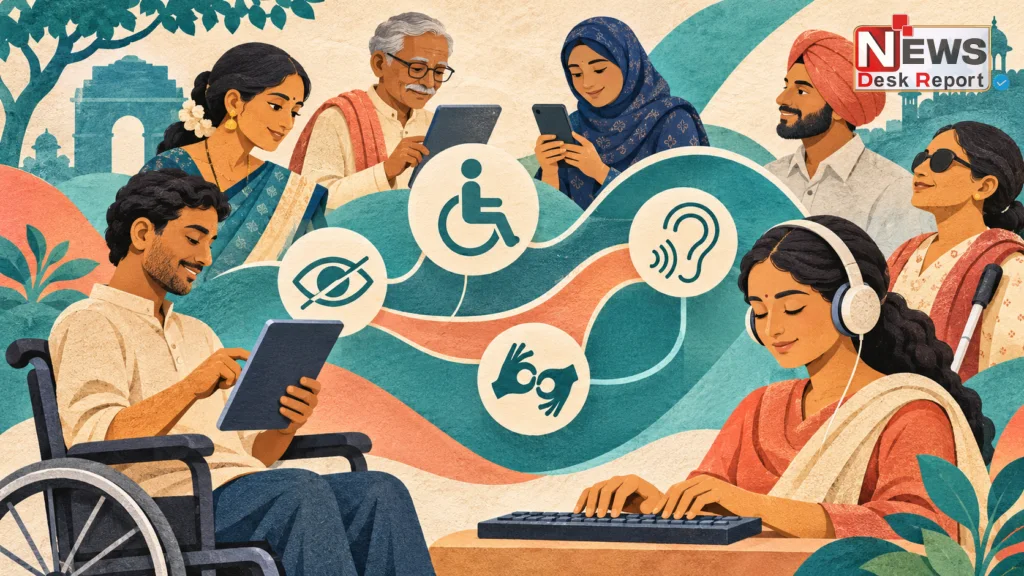
Image: AI-generated representative image of inclusive digital access; it does not depict the meeting or its participants.