


For the people of Northeast India, periodic health screening must become as normal as maintaining a vehicle, reviewing household finances or preparing for the changing seasons.
Across Northeast India, we take pride in caring for our families, supporting our communities and standing beside one another during difficult times. Yet, when it comes to our own health, many of us continue to wait.
We wait for persistent pain. We wait until breathlessness becomes difficult to ignore. We wait for dizziness, severe weakness, uncontrolled blood sugar, a visible swelling or another alarming symptom. In many cases, we wait until an illness begins to interfere with work, family responsibilities or everyday life.
This approach needs to change.
Periodic health check-ups are not meant only for people who are unwell. Their real purpose is to identify health risks before they develop into serious disease, and to detect existing conditions at a stage when they may be easier to manage. Increasing longevity, sedentary lifestyles and unhealthy dietary patterns have contributed to the growing burden of non-communicable diseases such as diabetes, hypertension, cardiovascular disease and cancer in India. has highlighted population-based screening as an important part of comprehensive primary healthcare, particularly for diabetes, hypertension and common cancers.
The Dangerous Comfort of “I Feel Fine”
One of the greatest barriers to preventive healthcare is the belief that feeling well means being healthy.
Many common conditions can remain unnoticed in their early stages. High blood pressure may not produce obvious warning signs. Blood sugar may remain elevated for some time before a person recognises a problem. Certain cancers can also progress quietly before causing symptoms that prompt medical attention.
This is why a health check-up should not be viewed merely as a collection of laboratory tests. It is an opportunity to understand one’s present health status, identify personal risk factors and receive professional guidance on what should be monitored.
In 2025, the launched an intensified screening campaign for people aged 30 years and above, covering diabetes, hypertension, oral cancer, breast cancer and cervical cancer. The initiative reflects a wider national priority: early detection, timely referral and structured follow-up can help reduce complications and improve health outcomes.
Breaking the Stigma Around Medical Tests
In many families and communities, a person undergoing a medical test is immediately assumed to have a serious illness. Questions are asked in worried voices: “Why are you getting tested?” “Is something wrong?” “Has the doctor suspected cancer?”
This reaction creates unnecessary fear.
A health check-up is not an announcement of disease. It is an expression of awareness. It should be viewed in the same way as checking the brakes of a car before a long journey. We do not inspect a vehicle because we expect it to fail. We inspect it because we want to travel safely.
There is also a fear that testing may reveal “something bad.” But avoiding a diagnosis does not prevent a disease from progressing. It only delays the opportunity to act. Knowing one’s health status provides choices, while late detection may reduce them.
Stigma can be particularly harmful when it discourages screening for cancer, mental health concerns, obesity, diabetes, hypertension or illnesses associated with tobacco and alcohol use. People may worry about social judgement, marriage prospects, employment, family anxiety or community gossip. Healthcare institutions must respond by protecting confidentiality, communicating sensitively and ensuring that every patient is treated with dignity.
Why This Matters Especially in Northeast India
The people of Northeast India live across a geographically diverse region, including cities, riverine areas, hills, tea-growing communities, border districts and remote villages. Distance, terrain, transportation, weather and the availability of specialist services can make regular access to healthcare difficult for some communities.
A study examining non-communicable disease services in Manipur found that primarylevel services generated community demand and awareness, while also identifying implementation challenges. This shows that screening programmes can work in the Northeast when services are brought closer to communities and supported by effective follow-up.
The region also has diverse cultures, languages and food practices. Therefore, health communication cannot follow a single formula. Information must be shared in local languages and in a manner that respects community traditions. Village leaders, women’s groups, youth organisations, religious institutions, schools, employers and local media can all help make preventive healthcare more acceptable.
The message should not be frightening. It should be empowering: Do not wait to become seriously ill before learning about your health.
Health Screening Should Be Personalised
There is no single health-check package suitable for every person. The frequency and type of screening should be based on age, sex, family history, occupation, lifestyle, existing medical conditions, symptoms and previous test results.
A doctor may advise monitoring of:
• Blood pressure
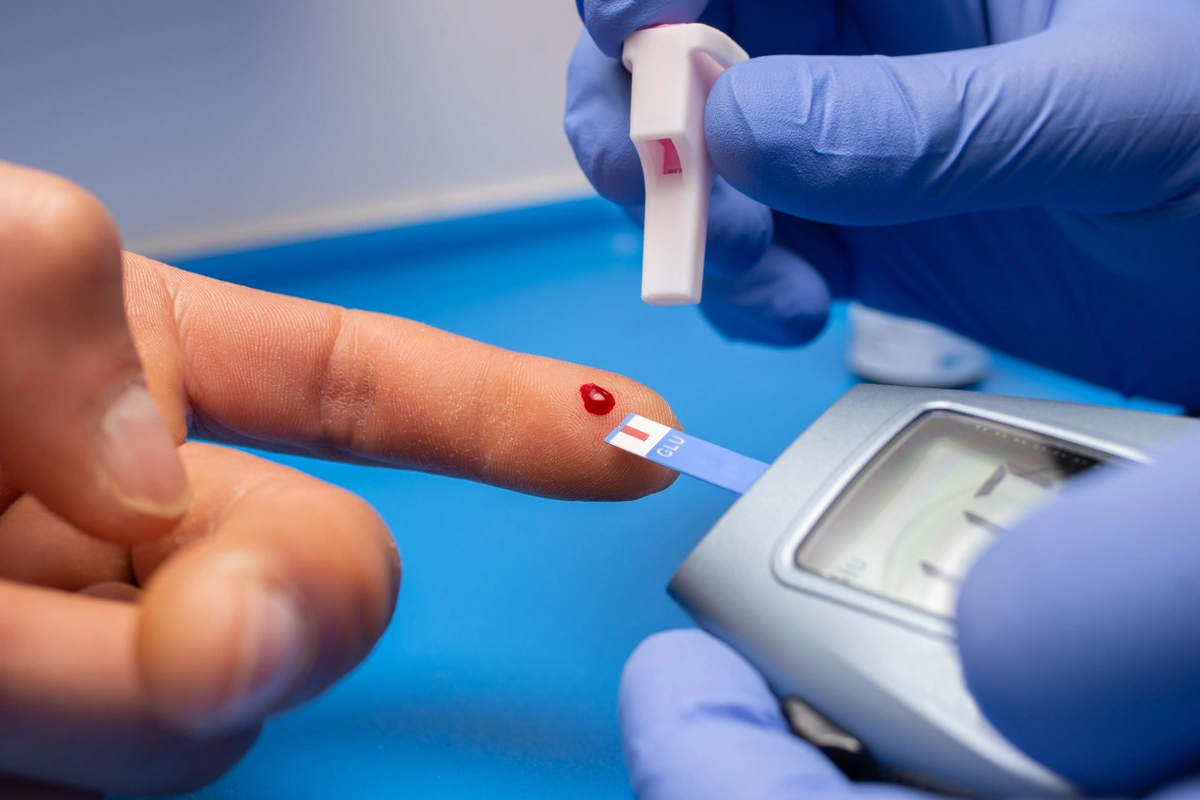
• Blood sugar
• Weight, waist measurement and nutritional status
• Cholesterol and cardiovascular risk
• Kidney and liver health, where clinically appropriate
• Oral and dental health
• Vision and hearing
• Recommended cancer screening
• Tobacco and alcohol-related risks
• Mental well-being, sleep and stress
• Vaccination status
Screening should lead to meaningful medical interpretation. An isolated abnormal result should not create panic, and a normal report should not create false confidence. Reports must be reviewed by a qualified healthcare professional who can connect the findings with the individual’s medical history and recommend appropriate follow-up.
A periodic check-up is not permission to continue unhealthy habits. It is a starting point for informed action.
Families Must Change the Conversation
The strongest health system begins at home.
Parents should be encouraged to undergo age-appropriate screening. Adult children should help elderly family members attend appointments and understand their prescriptions. Husbands, brothers and sons must support women in seeking timely breast and cervical health screening. Women, who often manage the health needs of the entire household, must also be given the time, resources and freedom to care for themselves.
Most importantly, families should stop treating a medical diagnosis as a matter of shame. Diabetes is not a moral failure. Hypertension is not a sign of weakness. Cancer is not a reason for social isolation. Seeking psychological support is not an absence of courage. A person living with a health condition deserves understanding, appropriate treatment and continued participation in family and community life.
Employers and Institutions Have a Role
Workplaces, educational institutions and community organisations can help normalise preventive healthcare by conducting awareness programmes, facilitating screening camps and allowing people time to attend medical appointments.
However, health camps should not become one-time ceremonial activities. Screening without counselling, referral and follow-up has limited value. Every person found to be at risk should receive clear guidance regarding the next step, where to seek care and when to return for review.
Hospitals and healthcare professionals also carry an important responsibility. We must make check-ups accessible, evidence-based and transparent. Patients should understand why a test is being advised, what the result means and whether additional evaluation is necessary. Preventive healthcare must never be driven by fear or unnecessary testing.
From a Culture of Treatment to a Culture of Prevention
For generations, healthcare has often been understood as something we seek after falling ill. Today, we must move towards a culture in which protecting health is valued as much as treating disease.
This change does not require fear. It requires awareness, regularity and collective support.
Let us encourage one another to know our blood pressure, understand our blood sugar, recognise our family health history, undergo appropriate cancer screening and discuss emotional well-being without embarrassment. Let us make healthcare conversations normal at home, in workplaces and within our communities.
A periodic health check-up does not mean that we expect something to be wrong. It means that we value life enough to look after it.
For the people of Northeast India, the message is simple: Do not wait for illness to force you into a hospital. Take the first step while you are still well. Early awareness is not fear. It is strength, responsibility and care for the people who depend on you.
“A health check-up is not an announcement of disease. It is an expression of awareness and responsibility.”
This article deliberately avoids prescribing a fixed annual package for everyone. Instead, it promotes doctor-guided, age-appropriate and risk-based screening. The tone challenges stigma without blaming individuals or communities, and it emphasises confidentiality, dignity, family support and culturally sensitive communication.
(This is a syndicated feed)


