
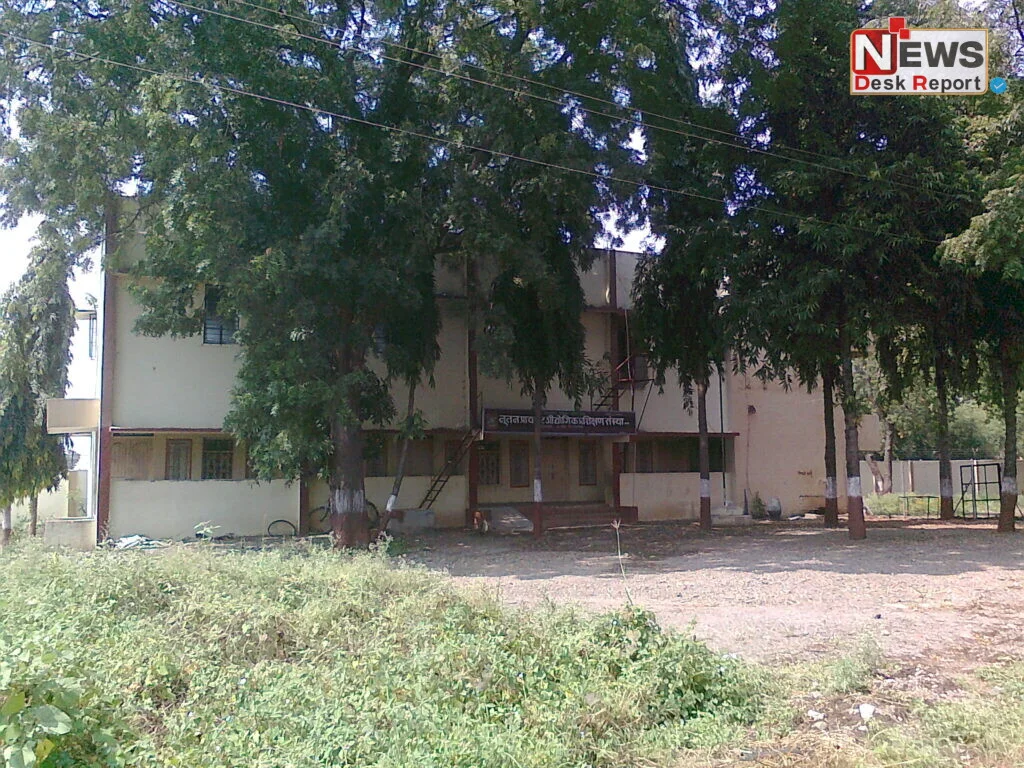
File photo: Industrial Training Institute at Chinawal, Maharashtra, 19 October 2014; not the PRAGATI meeting or evidence of a new upgrade. Photo: ABHIJEET / Wikimedia Commons, CC BY-SA 3.0. NDR resize and branding; adapted image under the same licence.

NEW DELHI, November 26: Five infrastructure projects worth more than ₹78,000 crore and the Industrial Training Institute ecosystem came under review at the 55th PRAGATI meeting chaired by Prime Minister Narendra Modi on November 25. The discussion linked faster project delivery with better industry-oriented training.
The Prime Minister’s Office account identifies road, power, coal and railway projects. PRAGATI—Pro-Active Governance and Timely Implementation—brings Union and State authorities together to address implementation problems.
Project delays and accountability
The Prime Minister asked the ministries and States concerned to resolve outstanding issues with assigned responsibility and realistic timelines, while maintaining construction quality. He said delays postpone benefits for citizens and businesses as well as increasing costs.
For coal, the discussion stressed timely and dignified rehabilitation and resettlement. In power, it raised the possibility of decentralised solar and wind projects near demand centres where feasible.
The review is an assessment of implementation; the project value should not be interpreted as a fresh Cabinet funding approval or proof that all five projects have been completed.
Connecting training to local employers
The meeting also examined PM-SETU, the Pradhan Mantri Skilling and Employability Transformation through Upgraded ITIs. DD India’s report records the call for States, institutes and industry to align training with workforce requirements.
Public-sector undertakings were urged to assess future staffing needs, support practical training and apprenticeships, and deepen their links with ITIs. Courses and training capacity should reflect nearby industrial clusters and upcoming investment, the review said.
The proposed Classroom–Company–Career approach connects instruction, workplace exposure and progression into employment. These directions do not amount to an individual job offer or a newly announced recruitment window.
Follow our National coverage for verified implementation and public-service updates.