



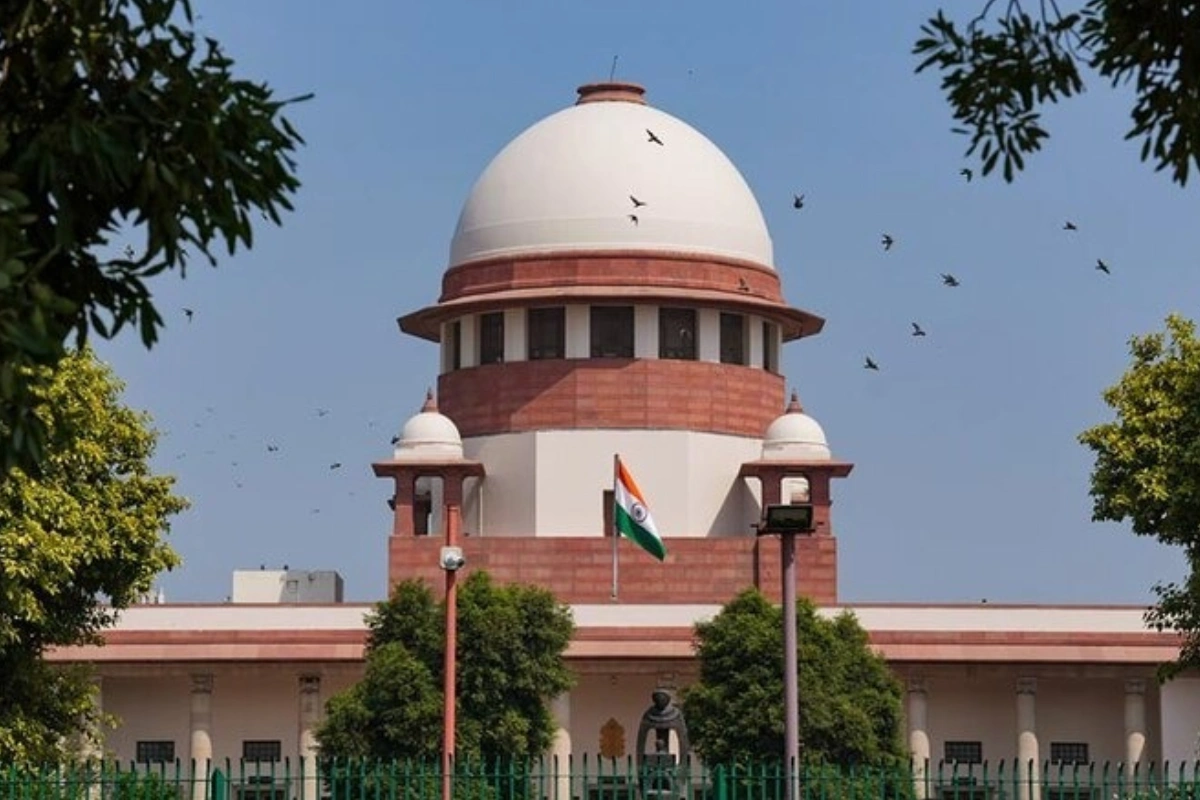
GUWAHATI: The Supreme Court on Tuesday, September 22, indicated that people who refrain from singing the National Song, Vande Mataram, for genuine religious reasons or as conscientious objectors should not face criminal consequences.
ALSO READ: Woman from Assam's Bongaigaon Allegedly Confined at Home for Months, Rescued by Officials
A bench headed by Chief Justice of India Surya Kant, along with Justices Joymalya Bagchi and V Mohana, was hearing a petition challenging the constitutional validity of the 2026 amendment to the Prevention of Insults to National Honour Act, 1971. The amendment extends legal protection under the Act to the National Song.
During the hearing, the bench referred to the Supreme Court’s 1986 judgment in the Bijoe Emmanuel case, which protected students who respectfully declined to sing the National Anthem on grounds of genuine religious belief. Justice Bagchi observed that the legal principle laid down in that judgment continues to apply.
The court indicated that a conscientious objector should not face criminal consequences for choosing not to sing some or all stanzas of Vande Mataram on religious grounds.
The case was filed by Carnatic musician T M Krishna, who has challenged the 2026 amendment as well as directions concerning the singing of all six stanzas of Vande Mataram at official functions. Krishna has argued that some of the later stanzas contain references to Hindu deities and that compelling people to sing them raises questions concerning freedom of conscience and religion.
The Supreme Court, however, indicated that it would not decide at this stage whether Vande Mataram should be recognised as the National Song or whether its official rendition should consist of two or six stanzas. The court observed that decisions concerning national symbols fall within the domain of the elected government.
The court will instead examine whether attaching criminal consequences to a citizen’s refusal to sing the National Song on grounds of conscience or religion is consistent with fundamental rights.
The 2026 amendment to the Prevention of Insults to National Honour Act extends the existing provision concerning the National Anthem to Vande Mataram. It makes intentionally preventing the singing of the National Song or causing disturbance to an assembly engaged in its singing punishable under the Act.
The Supreme Court has sought the Union Government’s response to Krishna’s petition within two weeks.


