



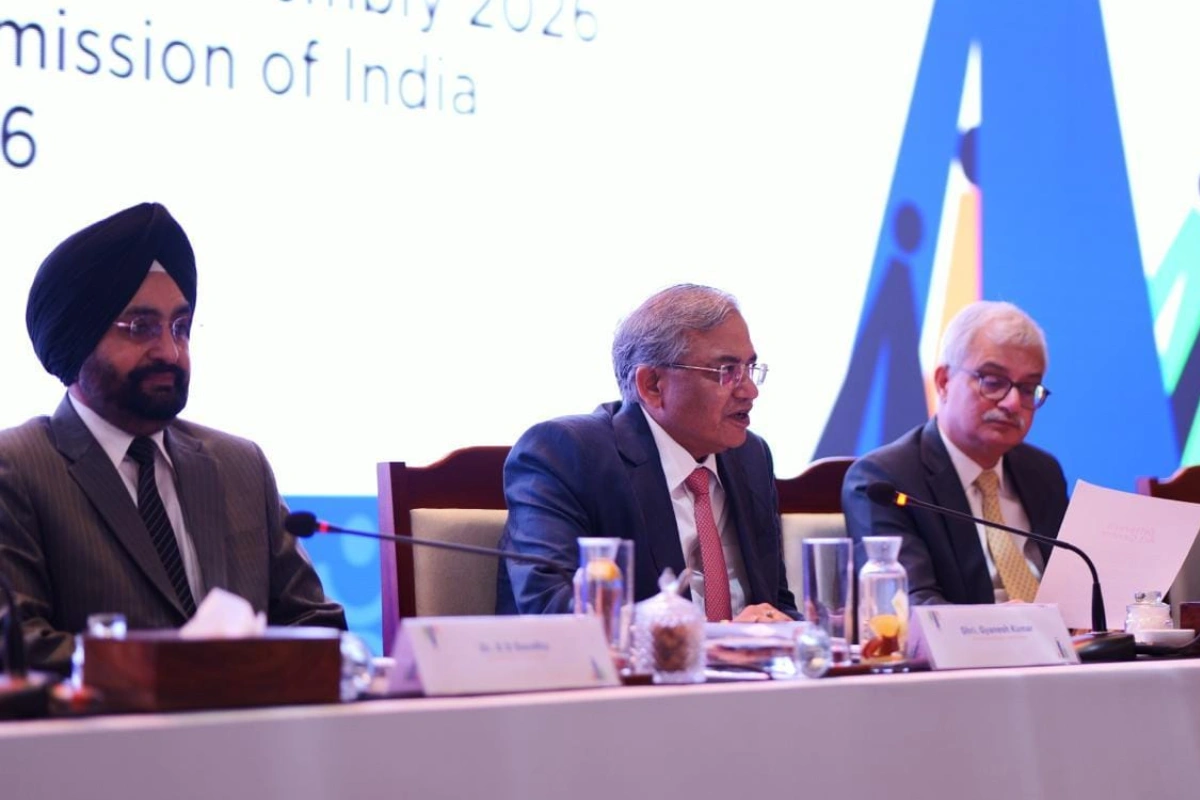
GUWAHATI: The Election Commission of India (ECI) on Wednesday, September 23, said that differing views and observations are a normal part of institutional deliberations, after an investigative report claimed that Election Commissioners Sukhbir Singh Sandhu and Vivek Joshi had formally recorded objections at least 14 times over the past 10 months.
ALSO READ: Raijor Dal Stages Protest in Guwahati Over Relief for Upper Assam Flood Victims
The Indian Express report said the objections related to several decisions concerning the Special Intensive Revision (SIR) of electoral rolls, including changes to Form 6, access to electoral-roll data and the filing of appeals against voter inclusion in West Bengal.
In a statement, the ECI said differing views form part of the decision-making process before a final decision is taken. It added that not only the three Commissioners but every officer of the Commission is authorised to offer suggestions for improving the electoral system.
The poll panel also said that highlighting specific internal notes and observations over a 10-month period, while overlooking the larger body of approvals, decisions, instructions and initiatives, presents only one part of the picture.
According to the ECI, the full Commission has taken numerous decisions, issued instructions and introduced around 40 new initiatives and electoral reforms over the past year, including electoral-roll revision and SIR. It said these decisions were taken unanimously.
The Indian Express report, however, said Sandhu and Joshi had repeatedly raised concerns on record over aspects of the SIR process. It reported that in May, Joshi objected to changes in Form 6 that required new voters to state whether their parents or grandparents existed in the electoral roll of the last SIR. Sandhu subsequently recorded that the change was “unauthorised and illegal” and should be removed.
The report also said Joshi had raised concerns over the “gradual centralisation” of the electoral-roll database and proposed an audit to ensure that only authorised statutory officials could make changes to voter data. Sandhu reportedly reiterated the concern in August, citing complaints from state-level election officials about access to the ERONet portal.
In another instance, Sandhu reportedly questioned who authorised and filed 16.10 lakh appeals in West Bengal seeking deletion of voters who had been included by judicial officers. He said neither he, Joshi nor the current Chief Electoral Officer of West Bengal had been informed about the basis or process of filing the appeals.
The ECI told the Supreme Court on September 18 that 22.21 lakh electors whose names were deleted in West Bengal had filed appeals seeking their inclusion in the electoral rolls.
The report has drawn political reactions, with Opposition parties seeking a point-by-point response to the concerns raised in the investigation. The ECI, however, has maintained that differing views during deliberations are part of its normal functioning and that final decisions of the Commission have been unanimous.


