
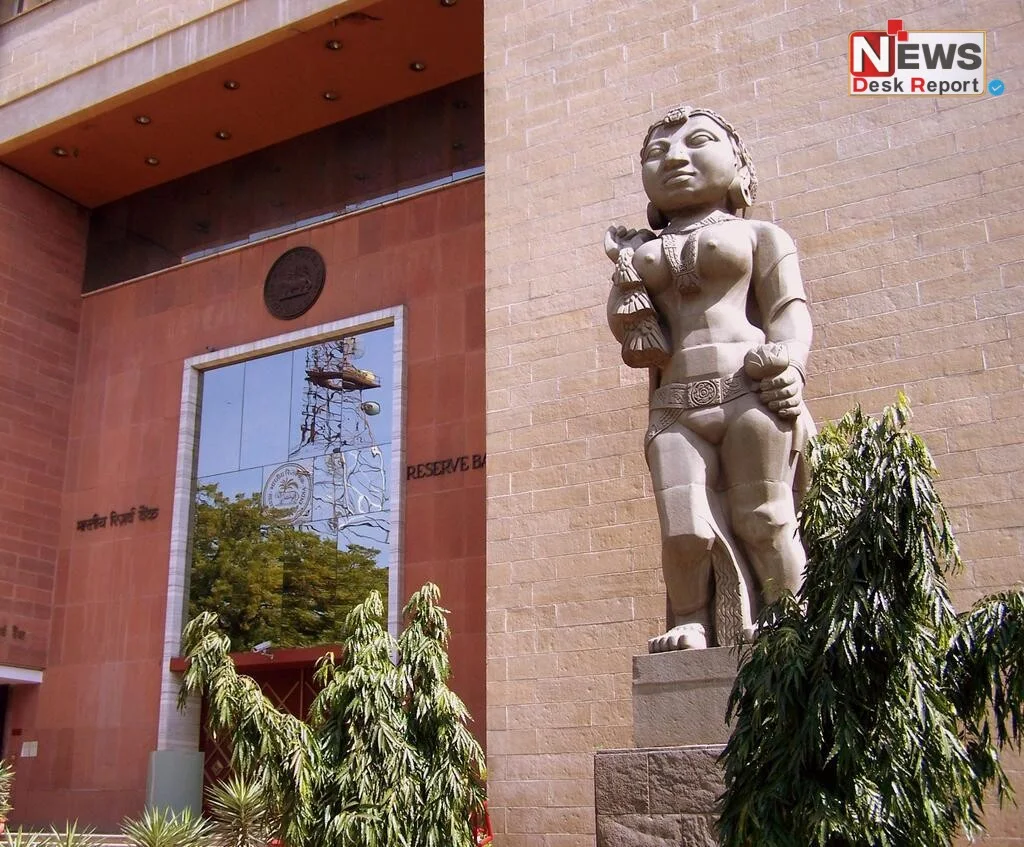
File photo: Reserve Bank of India building in Delhi, 17 March 2007; not the release of the November 2026 Bulletin. Photo: Soham Banerjee / Wikimedia Commons, CC BY 2.0. Resized and branded by NDR.

NEW DELHI, November 26: Imported items accounted for around 18% of India’s headline consumer-price inflation in October 2026, according to a study summarised in the Reserve Bank of India’s November Bulletin release. The Bulletin was published on November 25.
The official release says an import-intensity-weighted measure puts imported items at 8.5% of the consumer price index basket, whose base is 2024=100. Fuel and light have the highest import intensity.
What the 18% figure means
The estimate describes how much imported items contributed to the change in the overall price index. It does not say India’s inflation rate was 18%, or that every imported product became 18% dearer.
The study traces changing external pressures: food and fuel were prominent during the pandemic and the Russia–Ukraine conflict; precious metals later became another source of pressure, while the West Asia conflict renewed crude-oil pressures.
A larger oil shock with partial domestic transmission
In its November 25 report on the study, Moneycontrol says crude prices rose 64% in the West Asia episode compared with 29% in the Russia–Ukraine comparison. Different starting prices help explain that contrast. These are historical study comparisons, not today’s live oil-price changes.
Moneycontrol also reports a 7.4% rise in petrol and diesel prices each between March and August 2026, describing partial transmission of the global shock. The RBI release similarly notes that retail-fuel pass-through was relatively lower in the current episode.
The RBI expressly states that Bulletin articles reflect their authors’ views, not the Reserve Bank’s views. These research findings should therefore be distinguished from a monetary-policy decision.
Read more verified economic developments in our Business coverage.