



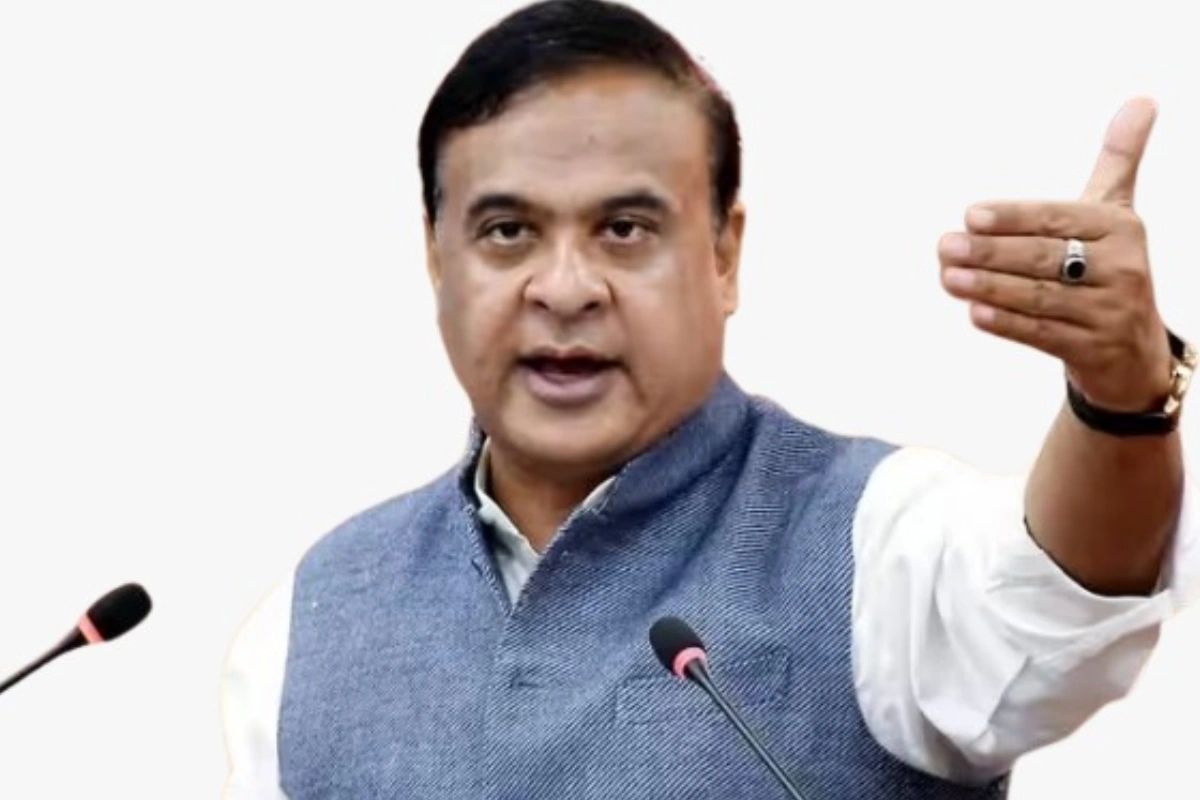
GUWAHATI: Chief Minister Himanta Biswa Sarma on Wednesday defended the Assam Land and Revenue Regulation (Amendment) Bill in the Assembly, saying no one without a miyadi patta (permanent land title) would be allowed to buy land or reside within a five-kilometre radius of religiously significant sites such as Batadrawa Satra, the satras of Majuli, and Kamakhya Temple.
ALSO READ: Lok Sabha Passes Anti-Paper Leak Amendment Bill With Higher Fines and Jail Terms
Replying during the debate, Sarma said the government proposes a five-kilometre protected zone around heritage institutions like Barpeta Satra, Majuli and Batadrava, where only local residents would be permitted to purchase land, arguing that demographic changes over the decades had altered the character of these heritage areas. Citing Barpeta Satra specifically, he said much of the surrounding area could have been safeguarded had such a law existed 50 years ago.
Sarma clarified the restrictions would apply only to a handful of identified heritage institutions, not across the state and stressed the Bill was not targeted at any particular community, since demographic change was simply a reality the government was addressing.
The provisions cover religious institutions over 250 years old, and anyone buying land in these protected zones must prove three generations of residency in the area. The Bill also provides for the eviction of illegal encroachers.
This builds on the Assam Land and Revenue Regulation (Second Amendment) Bill passed in 2024, which first introduced this heritage-protection chapter. That law added Chapter XII to the parent Assam Land and Revenue Regulation, 1886, barring outsiders from buying land within 5 km of iconic structures at least 250 years old, including Batadrawa Than and Barpeta Satra. Wednesday's debate suggests the government is now expanding or reaffirming that framework, explicitly naming Kamakhya among the protected sites.
Since Kamakhya is one of India's most visited Shakti Peeths and Batadrawa is the birthplace of Vaishnavite reformer Srimanta Sankardev, the restrictions carry both religious and cultural weight in Assam's politics. Opposition parties have previously questioned whether such land curbs risk communal profiling, while the CM has maintained the law is secular in intent, applying equally to temples, satras, mosques, and churches that meet the age threshold.


