



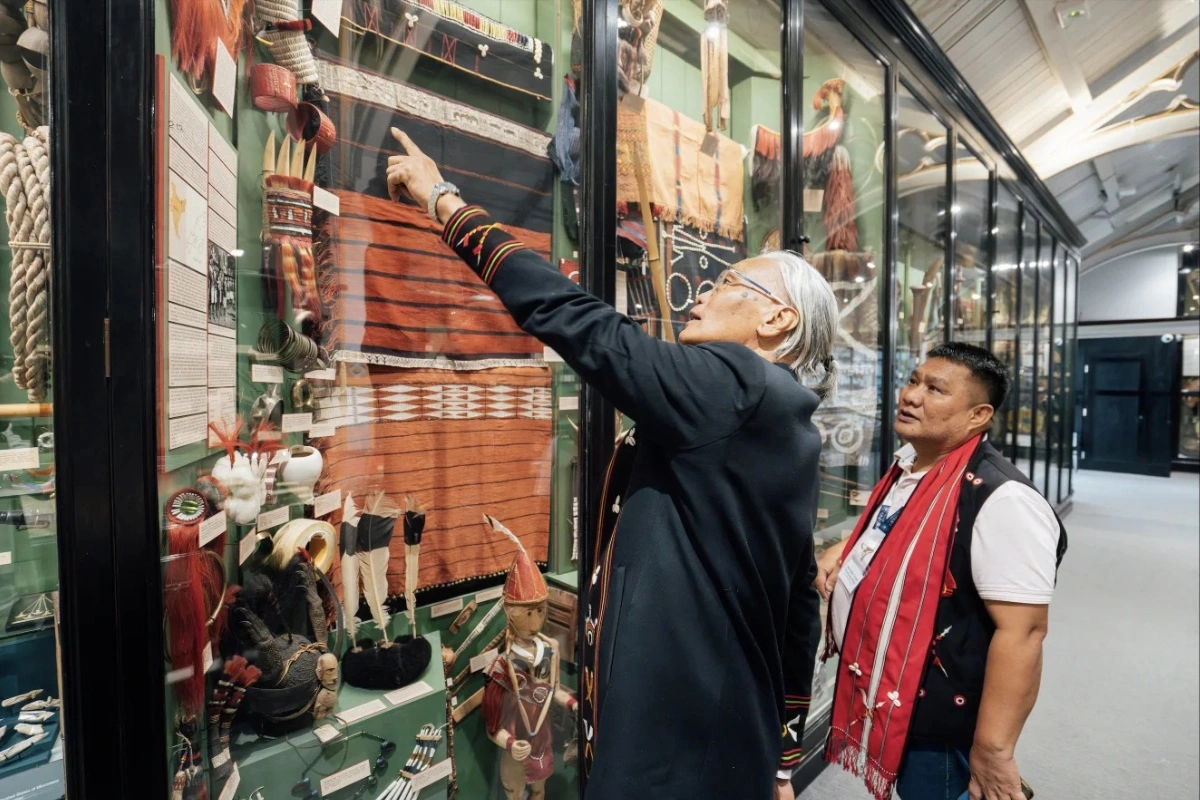
GUWAHATI: The Pitt Rivers Museum (PRM) at the University of Oxford has agreed to return the ancestral human remains of 39 Nagas to their homeland in Nagaland, marking a major step towards the repatriation of remains that have been held in the museum’s collection for more than a century.
ALSO READ: Delhi Building Collapse: Death Toll Rises to Six, Rescue Operations Continue
The repatriation is expected to be completed by the end of this year and follows an initiative led jointly by the Forum for Naga Reconciliation (FNR), its Recover Restore and Decolonise (RRaD) initiative and Naga tribal bodies.
In a letter to FNR convener Wati Aier, PRM director Laura Van Broekhoven said the University Council formally approved the return of 39 human remains on July 13. However, the University declined to repatriate one set of remains, citing a lack of clear evidence establishing its Naga origin.
The museum expressed hope that the process could now move forward to facilitate the return of the Naga ancestral remains to their homeland.
The remains, which include a warrior’s cranium, a woman’s skull and a young person’s jaw, among others, had been held at the Pitt Rivers Museum for more than 100 years.
They were previously displayed in an exhibition titled “Treatment of Dead Enemies” under the label “headhunting trophies”, alongside human remains from other Indigenous communities, including the shrunken heads of the Shuar people of South America.
The museum removed 120 human remains, including those of the Naga, from display in 2020 and placed them in storage.
A Naga delegation comprising tribal hoho leaders and members of the FNR and RRaD is expected to visit the museum again to formally pursue and facilitate the repatriation process.
The remains are believed to have been taken from the Naga region during the colonial period and subsequently entered the museum’s collection.
Around 219 Naga ancestral human remains are reportedly currently under the care of the Pitt Rivers Museum.


