



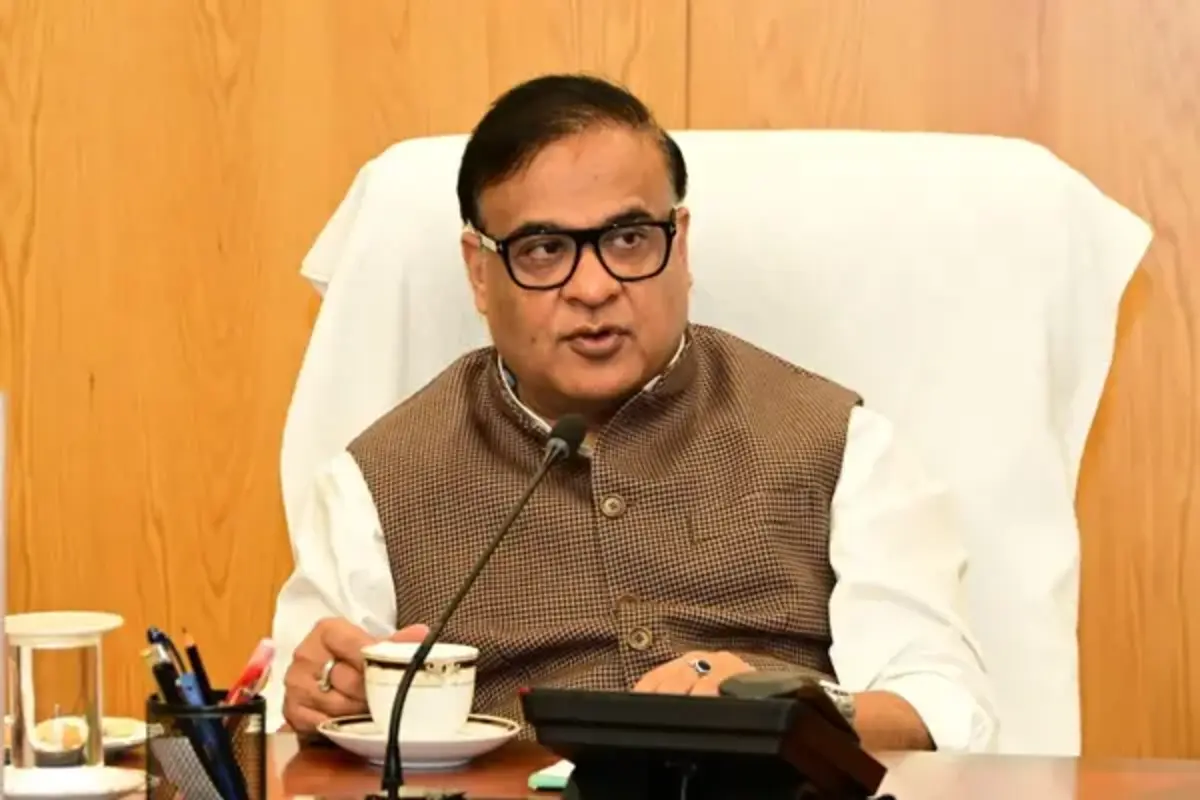
GUWAHATI: Assam Chief Minister Himanta Biswa Sarma on Tuesday, July 7, defended the state's anti-drug crackdown, saying the fight against narcotics requires firm policing, coordinated action with neighbouring states and sustained rehabilitation efforts for people recovering from addiction.
ALSO READ: Over ₹3,253 Crore Worth of Drugs Seized Since 2021, Says Assam CM
Replying to a call attention motion on a "drug-free Assam" in the Assembly, Sarma said criticism of police personnel for taking stringent action against drug traffickers affects their morale, as such measures are taken only when officers have no alternative.
"When police are sometimes forced to take strict measures against traffickers, including opening fire in retaliation, some members of the Assembly express reservations," Sarma said, adding that such action is taken only when there is no other option.
The CM also rejected suggestions that drug abuse is confined to any particular community or region, saying the menace has affected all sections of society.
Sarma said investigations have often revealed links between drug trafficking networks operating in Assam and Myanmar. He added that the state is working closely with Mizoram and Manipur, which share borders with Myanmar, to strengthen efforts to curb cross-border drug smuggling.
He said the government is also focusing on rehabilitating people recovering from addiction as well as those arrested in drug-related cases. According to CM Sarma, curbing the narcotics trade would also help reduce petty crimes such as chain snatching and other social problems linked to substance abuse.
Participating in the discussion, Parliamentary Affairs Minister Pijush Hazarika said Assam registered 14,823 cases under the Narcotic Drugs and Psychotropic Substances (NDPS) Act and other related laws between 2021 and 2025. During the period, law enforcement agencies seized around 696 kg of heroin and other narcotic substances.
Hazarika said 4,175 people were arrested in drug-related cases in 2021, while the number increased to 4,901 in 2025, reflecting what he described as an intensified enforcement drive.
Drawing a comparison with the previous Congress government, the minister said 195 NDPS cases were registered in 2011, leading to 217 arrests, with only 1 kg of heroin seized. In 2015, 206 cases were registered, 328 people were arrested and 1 kg of heroin was recovered.
He also highlighted the Drugs Free Assam mobile application, launched in 2021 to facilitate anonymous reporting of drug-related activities. According to Hazarika, the app has received 585 complaints so far, leading to the seizure of narcotics worth nearly ₹3 crore and the arrest of 30 people in 16 cases.
Congress MLA Jakir Hussain Sikdar, who moved the call attention motion, said narcotics have affected every section of society and called for stronger and more coordinated measures to eliminate drug trafficking and substance abuse. While acknowledging the efforts of the police, he alleged that corruption within sections of the enforcement machinery had weakened the fight against the drug trade.
AIUDF legislator Badruddin Ajmal also described the drug menace as a serious concern and urged the government to adopt the strictest possible measures to eliminate it.
Meanwhile, Guwahati concluded the two-day BRICS Heads of Anti-Drug Agencies Meeting on Tuesday, where member countries adopted the Guwahati Declaration, reaffirming their commitment to strengthening cooperation against illicit drug trafficking and transnational organised crime.
The declaration called for timely exchange of information and intelligence, wider sharing of best practices, and greater use of innovative technologies and data-driven approaches to combat international drug trafficking networks.
The BRICS nations also expressed concern over the growing threat posed by synthetic drugs, new psychoactive substances (NPS), diversion of precursor chemicals, misuse of digital platforms and virtual assets, and the exploitation of maritime routes by transnational criminal organisations.
During the meeting, India urged BRICS countries to build a partnership based on speed, mutual trust and seamless real-time intelligence sharing to dismantle cross-border drug syndicates. It also proposed the creation of a BRICS Virtual Working Group and enhanced cross-border training initiatives while reiterating its zero-tolerance policy against narcotics and its focus on prevention, de-addiction, rehabilitation and enforcement.


