



A missing invoice, an incorrect GSTIN, or a receipt sitting unread in someone's email can create a surprisingly big problem during tax filing. For businesses handling frequent travel, accommodation, meals, and other employee expenses, a GST bill is not just proof of payment. It can also become an important document for claiming input tax credit and maintaining clean financial records. When these documents are collected and checked manually, small mistakes can easily slip through, especially when several employees and departments are involved.
The scale of India's digital GST ecosystem shows why businesses need better systems. According to GSTN, as of May 31, 2026, the GST system had 1.65 crore registered taxpayers and had recorded 2,886 crore total invoice uploads. These figures underline how heavily businesses now depend on digital records and structured invoice data for GST-related processes.
For companies, the challenge is not simply storing more invoices. It is making sure the right invoice reaches the right expense, contains usable GST information, and is available when the finance team needs it. Automated expense management can bring these steps together, reducing repetitive work while helping teams catch common compliance errors before they become filing problems.
Why GST Compliance Gets Complicated With Employee Expenses
Business expenses rarely follow one neat process. An employee may book a hotel, pay for a meal, take a taxi, or purchase something for a client meeting. The receipt may arrive as a paper copy, PDF, email attachment, or mobile image. By the time the finance team receives it, important details may already be missing or difficult to read.
Manual processing makes this harder. Someone has to check the supplier's GSTIN, invoice number, date, taxable value, tax amount, and other relevant details before the expense can be recorded. When hundreds or thousands of transactions are processed every month, even a low error rate can create a substantial reconciliation workload.
There is also the problem of timing. An employee might submit an expense several days after a trip, while the finance team may be working against a GST filing deadline. If an invoice cannot be verified in time, the business may need to investigate it later or keep it aside until the required information is available.
How Automation Improves Invoice Accuracy
Automated expense systems reduce these problems by capturing expense information closer to the point where the transaction happens. Employees can upload receipts through a digital workflow instead of keeping paper documents and submitting them later. The system can then extract relevant information and associate the document with the appropriate expense.
This creates a more consistent record. Instead of relying on someone to manually type every invoice detail, businesses can use technology to capture information from digital invoices and receipts. The finance team can then review exceptions rather than spending the same amount of time entering every transaction from scratch.
Automation can also help identify incomplete records. If an invoice is missing a GSTIN, has an unusual tax amount, or does not contain information required by the company's internal policy, the expense can be flagged for review. This gives finance teams an opportunity to correct the issue before the transaction becomes part of a larger reconciliation exercise.
Reducing Errors before GST Filing
One of the biggest benefits of automation is that compliance checks can happen earlier. A manual process often discovers errors when the accounts team is already preparing returns. At that stage, finding the employee, supplier, invoice, and supporting document can take considerable time.
With an automated workflow, validation can happen when the expense is submitted. The system can compare the information captured from the receipt with the expense details entered by the employee. It can also help identify duplicate submissions, missing documents, or mismatched amounts.
This matters because GST compliance depends heavily on accurate documentation. GSTN explains that e-invoicing involves reporting specified invoice details to the Invoice Registration Portal and receiving an Invoice Reference Number. The system also supports standardisation and the auto-population of invoice details into GST returns and other forms.
Making Corporate Expense Management More Reliable
A strong corporate expense management process does more than make reimbursement faster. It creates a structured trail from the original transaction to approval, accounting, and GST review. That visibility can be particularly useful for businesses where employees travel frequently or make expenses across multiple cities and locations.
For example, an employee may book accommodation for a business trip and submit the invoice after returning. Instead of the document moving through email chains, an automated workflow can capture the receipt, connect it with the employee's expense claim, route it for approval, and preserve the supporting document for finance records.
The same approach can work across different expense categories. Whether the transaction relates to accommodation, transportation, meals, or business purchases, a consistent workflow makes it easier for finance teams to see what has been submitted, what has been approved, and what still needs attention.
Where myBiz by MakeMyTrip Can Fit Into the Process
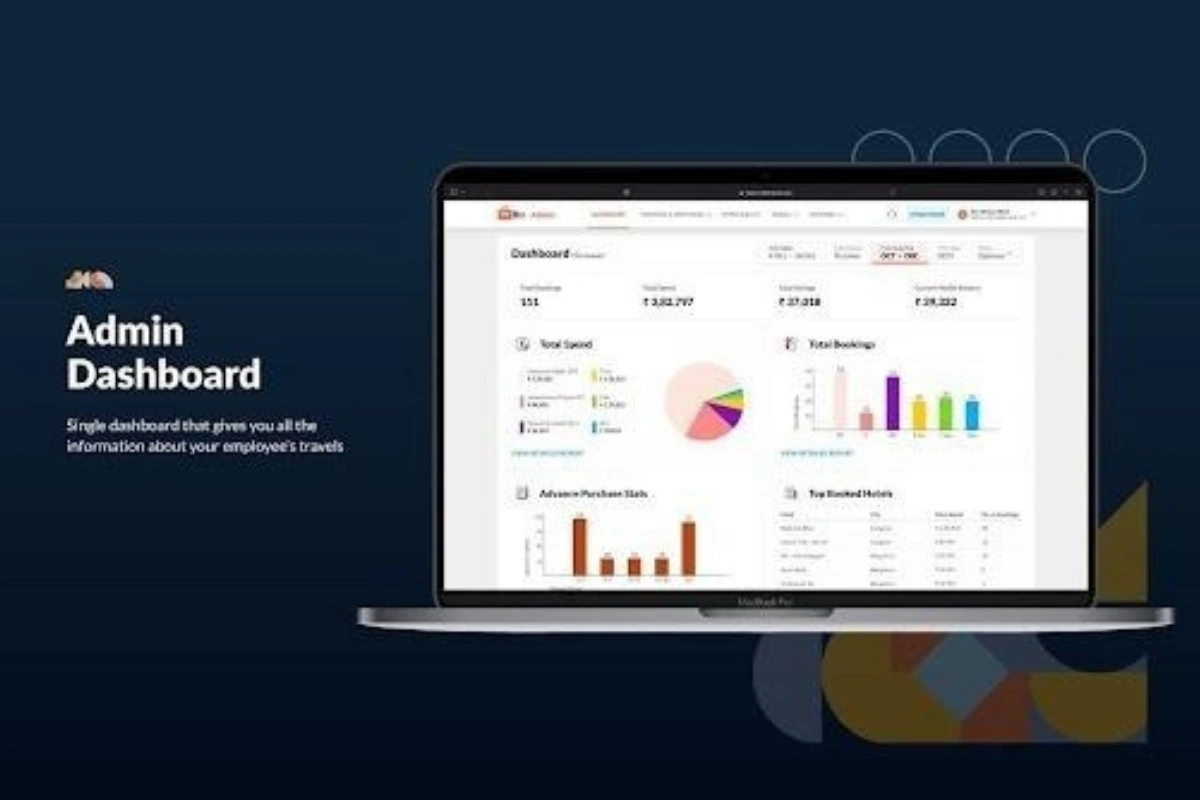
For businesses managing frequent employee travel, connected travel and expense processes can make the overall workflow easier to control. myBiz by MakeMyTrip can help businesses manage corporate travel activity digitally, giving companies greater visibility into bookings and related business travel expenses.
The value of such integration is not only convenience. When travel information and expense records are organised properly, finance teams have fewer disconnected documents to chase. Employees also spend less time collecting and submitting information manually, which can improve compliance without making the process feel burdensome.
Better Reconciliation, Fewer Last-Minute Problems
Reconciliation is another area where automation can make a noticeable difference. Finance teams often need to compare expense reports with invoices, payment records, accounting entries, and GST-related information. Doing this manually can involve opening multiple files and checking the same information repeatedly.
An automated system can bring these records into one workflow. It can highlight transactions that require attention while allowing straightforward expenses to move through the process without unnecessary intervention. This changes the role of the finance team from entering and checking every transaction to focusing on exceptions and higher-risk items.
The result is a cleaner month-end process. Instead of discovering a missing document just before a filing deadline, the team has a better chance of identifying and resolving the issue when the expense is originally submitted.
Why Digital Records Matter for GST Audits
Good documentation becomes particularly valuable when a business needs to explain a transaction later. Paper receipts can fade, get misplaced, or become separated from the relevant expense report. Digital records, when properly stored and organised, are easier to retrieve and review.
Automated expense management can preserve the invoice alongside relevant transaction details, approvals, employee information, and supporting records. This creates a clearer audit trail and makes it easier for authorised finance personnel to investigate a particular expense without searching through several systems.
The objective is not to remove human judgment from GST compliance. Rather, automation handles repetitive administrative work while finance professionals focus on decisions that genuinely require review.
Building a More GST-Ready Expense Process
Businesses do not need to automate everything at once. A practical starting point is to digitise receipt collection and create clear rules for expense submission. Once that process becomes stable, companies can introduce automated validation, approval workflows, accounting integration, and reporting.
It is also useful to train employees on what makes an expense document acceptable. Technology can flag problems, but employees still need to submit genuine business expenses and appropriate supporting documents. Clear policies combined with automated checks create a much stronger control environment than either approach alone.
As GST systems continue becoming more digital, businesses that maintain structured transaction records will be better positioned to manage compliance efficiently. GSTN's e-invoicing framework itself is designed around standardised digital invoice information and integration with business systems.
A Smarter Way to Handle Everyday Expenses
GST compliance does not usually become difficult because of one complicated transaction. More often, the problem comes from hundreds of ordinary expenses being processed inconsistently. A missing invoice here, a duplicate claim there, and an incorrect tax detail somewhere else can eventually create a significant reconciliation burden.
Automated expense management addresses this problem at the source. By capturing documents digitally, applying checks earlier, connecting expenses with supporting records, and highlighting exceptions, businesses can reduce avoidable errors and give finance teams better control over GST-related documentation.
Making Compliance Part of the Workflow
The best compliance process is one that does not feel like an extra task. When expense capture, approval, documentation, and verification happen within a connected workflow, employees can follow the process naturally while finance teams receive cleaner information.
For growing businesses, this can make a meaningful difference. Automation does not replace GST knowledge or professional review, but it can reduce the manual gaps where many everyday errors begin. A well-designed expense process therefore becomes more than a reimbursement tool. It becomes part of the company's broader approach to accurate financial and GST compliance.
Closing the Compliance Gaps
GST compliance becomes easier when accurate records are created from the beginning rather than reconstructed later. Automated expense management helps businesses capture invoices, identify errors, maintain supporting documents, and simplify reconciliation. By combining technology with clear policies and human review, companies can reduce avoidable GST mistakes while making everyday expense management faster, more organised, and easier to control.
(This is a syndicated feed)


