



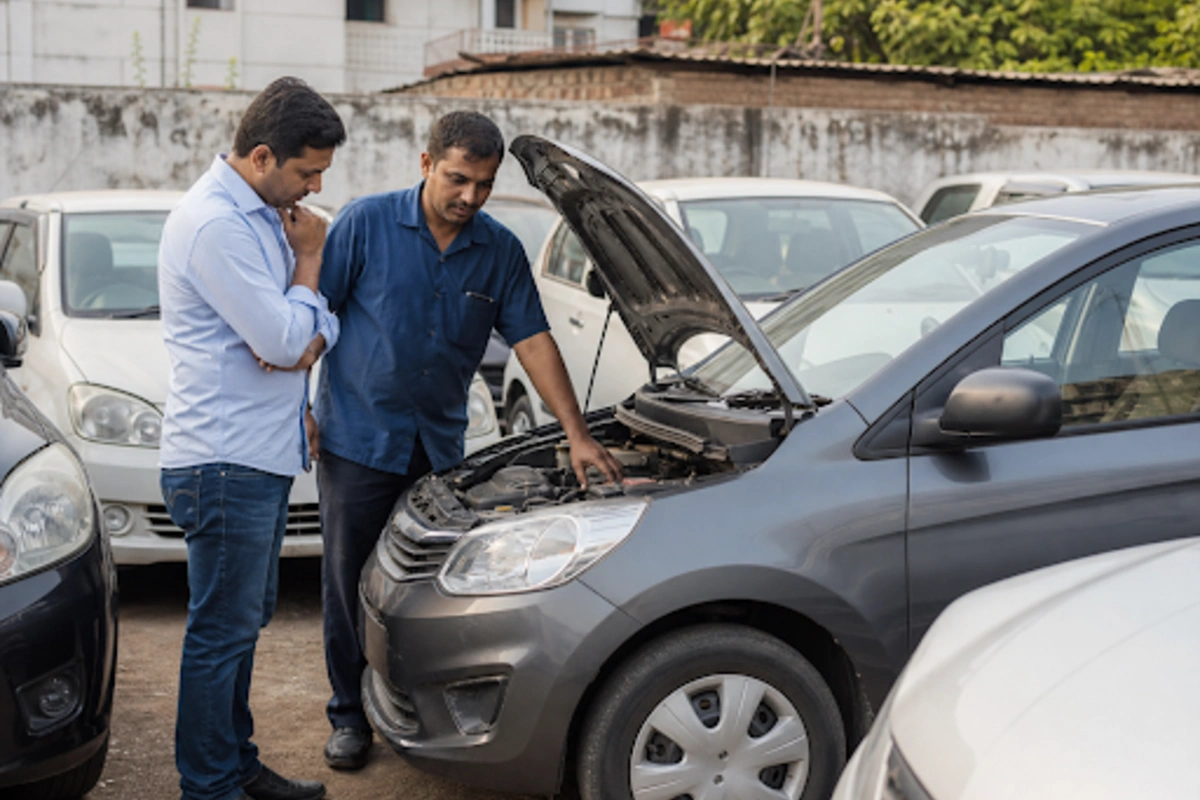
Hyundai sits in a strange position in India's used car market. Common enough that spares are cheap and the mechanic three lanes over has definitely seen one – but built well enough to feel like a step up from the bare-minimum options.
That's the pull. Reliability, though, isn't part of that deal automatically. It depends on the model, the specific engine, and whether the previous owner actually bothered.
Pick the right model before chasing the right price
Most budget shoppers start with a number and work backwards. That usually ends badly.
Shortlist two or three models first. Then hunt for solid examples within them. Anyone serious about a 2nd-hand Hyundai i10 should focus on gearbox feel and clutch life rather than cosmetic condition – that's where high-mileage city cars reveal their age first, not the paint. The Kappa petrol engines, found across the i10, Grand i10 and older i20, have earned a reputation for tolerating neglect better than they probably should..
Diesel variants deserve more caution at this budget. The U2 CRDi units are capable engines, but injectors and turbo actuators get expensive once the car crosses eight or nine years.
Read the service history like a detective
Start with the stamped service booklet, then cross-check against dealer records. Hyundai workshops can pull servicing history by chassis number – a car maintained at authorised centres leaves a traceable trail of oil changes, coolant flushes and consumable replacements. Two-year gaps between entries aren't a minor detail. They're a warning.
Then look at what got replaced and when. A clutch kit at 70,000 km on a Mumbai car? Normal city wear, nothing unusual. The same job at 35,000 km suggests either chronic stop-start abuse or a driver who rode the clutch like it was a footrest.
Suspension work tells its own story. Bushes and link rods failing early usually point to broken roads rather than mechanical weakness, but you're still the one living with the consequences.
Insurance claim records are the third layer worth checking.
Understand what the car will cost after the purchase
The purchase price is just the entry fee. Running costs decide whether the deal was actually good.
Buyers browsing listings for used Hyundai cars under 5 lakhs will find plenty of well-kept petrol hatchbacks and a handful of older sedans sitting in that range. What separates a smart buy from a money pit is the condition of the components nobody thinks to inspect until something breaks.
Budget for these within the first year:
> Tyres, especially if the set has hardened or shows uneven wear across the tread width
> Battery, which typically lasts around four years before Indian heat and charging cycles finish it off
> Suspension bushes and mounts, particularly on cars from Pune or anywhere along the Delhi NCR corridor
> AC compressor or cooling coil service on anything older than seven years – not optional, just a matter of timing
Coastal cities add a separate problem. In Mumbai, Chennai and Kochi, salt air works into underbody seams and wheel arches long before you'd notice anything from outside. Lifting the boot mat and checking the spare wheel well takes two minutes and often reveals rust the seller won't mention.
Cars from Hyderabad or Bengaluru tend to hold up better on corrosion but often carry heavier clutch and brake wear from years of stop-start commuting. Neither profile is clean. Just different problems.
Run the checks that actually reveal problems
A proper inspection follows a sequence. Cold start goes first.
See the car before the seller warms it up. Listen for tappet noise, an idle that suspiciously smooths itself out after a minute, or blue smoke on the first crank. Then work through all the gears at low speed – feel for a clutch biting too high, a second gear that crunches on a quick shift, or a gearbox that needs coaxing into position.
Electricals matter more on Hyundai models than most buyers expect. The part nobody tells you is how often these fail quietly, no warning light, no drama, until the car is yours and you're discovering the rear defogger is dead, or the front passenger window goes down but won't come back up.
Test every power window individually. Check the central locking, the rear defogger and the infotainment screen before you're the one paying for replacements. It's tedious. Do it anyway.
Paperwork closes the process. Confirm the RC matches the chassis and engine numbers stamped on the car, check for a hypothecation entry if the car was ever financed, and secure the NOC if it's registered in another state. Factor the transfer timeline into your planning before signing anything, not after you're stuck mid-transfer wondering why nobody mentioned it.
(This is a syndicated feed)


