



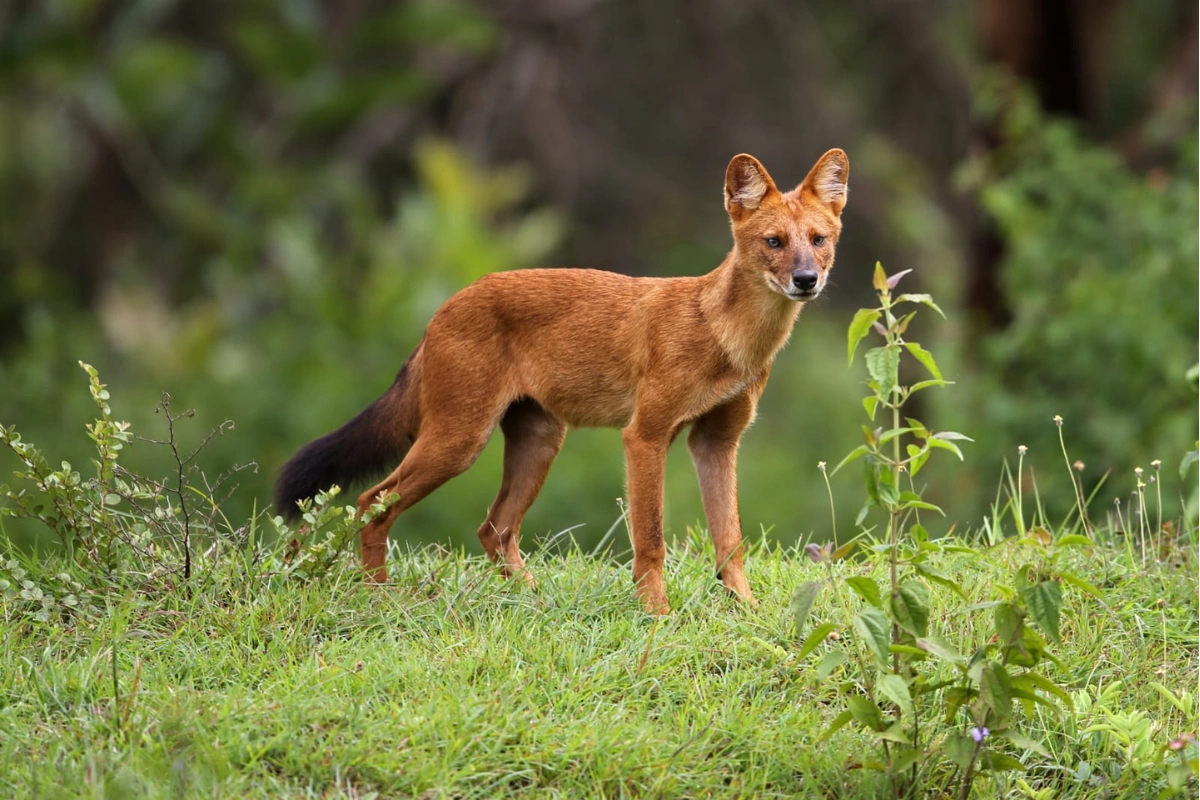
GUWAHATI: The reappearance of the dhole, or Asiatic wild dog, in the Kaziranga–Karbi Anglong landscape has emerged as a significant indicator of ecological recovery in Assam, reflecting the impact of sustained conservation efforts in the region.
ALSO READ: Assam Police Seize ₹2.1 Crore Worth of Banned Codeine Syrup in Cachar, One Arrested
From a single camera-trap image recorded in 2022 to confirmed sightings of packs in 2026, the species’ return marks a steady revival driven by habitat restoration and improved protection measures. The dhole, considered an apex predator, plays a crucial role in maintaining ecological balance, and its presence signals a healthier, functioning ecosystem.
The landscape, spanning Kaziranga National Park and adjoining forested areas of Karbi Anglong, has been a focus of targeted conservation strategies, including expansion of forest cover, restoration of habitat connectivity, and efforts to clear encroachments. Authorities have also emphasised consistent monitoring through scientific methods such as camera trapping, alongside field verification.
In a post on X, Assam CM Sarma highlighted that Assam’s approach, combining policy intervention, science-driven monitoring, and community engagement, offers a replicable model for conservation. The revival of the dhole is being seen not just as the return of a species, but as evidence that restoring ecological processes can help revive entire ecosystems and the services they provide to local communities.
Sarma also described the development as a positive milestone, stating that it demonstrates how “the right mix of policy, people and patience” can enable ecological recovery. “The dhole’s return is a cause for celebration and a step in the right direction,” he said in a post on X.
Education Minister Ranoj Pegu also highlighted similar observations near the international border, noting that he recently sighted a pack of dholes near Royal Manas National Park, expressing hope that the species is re-establishing itself in Manas National Park as well.
The development underscores the broader impact of sustained conservation investments in Assam, where coordinated state action and grassroots participation are increasingly contributing to biodiversity recovery and long-term ecological resilience.


