



A mortgage loan allows borrowers to raise funds by mortgaging a residential, commercial, or industrial property while retaining ownership. Documentation plays a critical role in the approval process, helping lenders verify identity, income, repayment capacity, and property ownership. Borrowers who organise their mortgage loan documents before applying can often experience faster verification and smoother processing. Bajaj Finance Loan Against Property offers funding of up to Rs. 10.50 crore*, repayment tenures of up to 15 years*, and disbursal within 72 hours* of approval, subject to applicable conditions.
Why is mortgage loan documentation a very important factor?
The mortgage loan document requirement list is vast. While digital applications have simplified borrowing, lenders still require sufficient information to assess eligibility and verify details.
Faster approvals start with better documentation
Prepared applicants often experience fewer disruptions during the process.
> Reduced verification delays: Complete records help streamline evaluation.
> Fewer follow-ups: Lenders may require less additional information.
> Improved processing efficiency: Well-organised applications are easier to review.
Common reasons applications get delayed
Many delays are linked directly to documentation issues.
> Missing records: Required documents may not be available when requested.
> Information mismatches: Differences between documents can create verification challenges.
> Outdated documents: Expired or old records may require replacement.
Understanding the mortgage loan document requirements
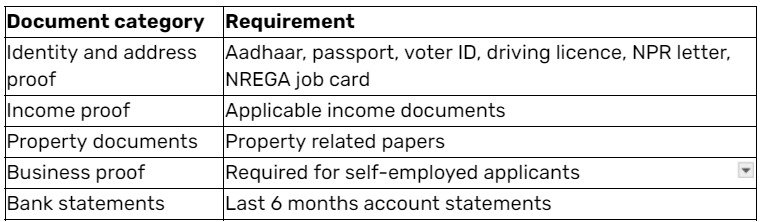
Mortgage loan documents generally fall into five major categories.
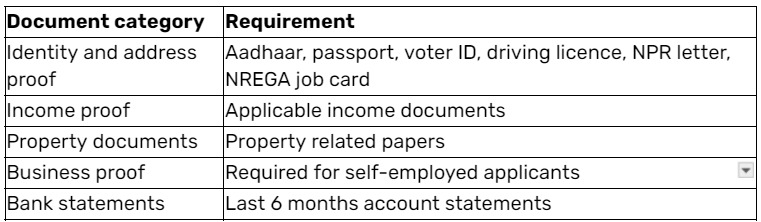
Mortgage loan documents checklist for different applicant types
Documentation requirements can vary depending on the borrower's profile.
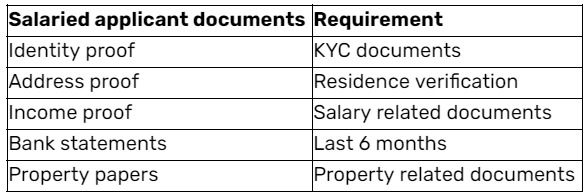
Documents required for self-employed professionals
Professionals such as doctors and other independent practitioners may need additional records.
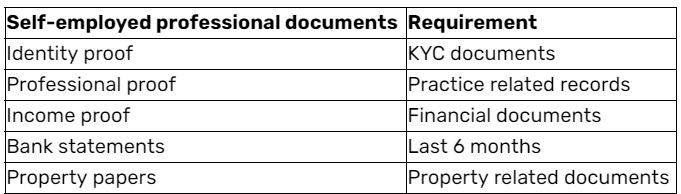
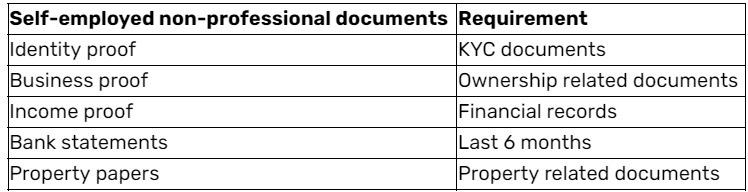
Documents required for self-employed non-professionals
Business owners and entrepreneurs may need business-related records.
Property documents that every borrower should keep ready
Property documentation often requires the most attention during the application process.
Ownership-related documents
Ownership verification forms the foundation of property assessment.
1. Ownership records: Confirm legal ownership.
2. Supporting documentation: Additional records, where applicable.
3. Consistency checks: Ensure information matches across documents.
Property tax and municipal records
These records help validate property information.
1. Tax records: Supporting property-related documentation.
2. Municipal records: Relevant local authority documentation.
3. Updated information: Ensure records remain current.
Chain of title documents
Lenders may review ownership history where required.
1. Historical ownership records: Documentation relating to previous ownership.
2. Transfer records: Supporting ownership transition details.
3. Verification support: Assists legal review processes.
Additional supporting records
Some properties may require additional documentation.
1. Property-specific documents: Depending on the nature of the property.
2. Supporting legal records: Where applicable.
3. Verification documents: Additional information requested during assessment.
How to organise your mortgage loan documents before applying?
Preparation can make your mortgage loan application process more efficient.
Create a digital document folder
> Centralise records: Store documents in one location.
> Improve accessibility: Retrieve records quickly when required.
> Reduce confusion: Avoid searching for documents during the process.
Verify document consistency
> Check personal details: Ensure names and addresses match.
> Review property information: Verify consistency across records.
> Resolve discrepancies: Address differences before applying.
Check document validity
> Review expiry dates: Ensure documents remain valid.
> Update outdated records: Replace expired documents.
> Confirm accuracy: Verify all information is current.
Keep backup copies available
> Maintain digital backups: Store copies securely.
> Keep physical records: Retain originals where required.
> Prepare for additional requests: Ensure supporting records remain accessible.
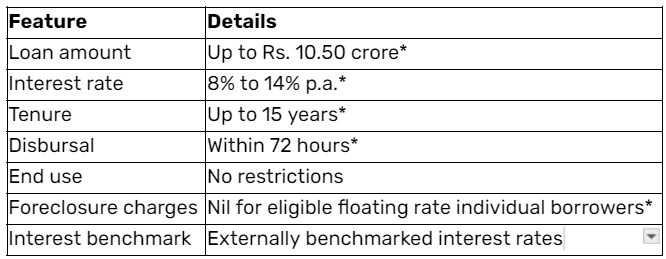
Bajaj Finance Loan Against Property at a glance
Conclusion
A mortgage loan document checklist may seem like a simple preparation exercise, but it often has a direct impact on the overall application experience. Complete and accurate documentation can help reduce verification delays, improve processing efficiency, and minimise unnecessary follow-ups.
Rather than gathering documents after beginning the application, borrowers should prepare records in advance and review them carefully for accuracy and consistency. A well-organised application not only supports smoother processing but also helps create greater confidence throughout the borrowing journey.
Bajaj Finance Loan Against Property offers funding of up to Rs. 10.50 crore*, repayment tenures of up to 15 years*, and a streamlined application process designed to support a wide range of borrowing requirements.
*Terms and conditions apply.
(This is a syndicated feed)


