


Flood relief scam triggers Assam crackdown, raising concerns over genuine aid
As Assam continues to battle floods, another crisis has emerged alongside the disaster, fraudulent flood relief fund collection drives. From fake QR codes circulating on social media to unauthorised roadside donation campaigns, several scams have surfaced across Guwahati, exploiting people's willingness to help flood-affected families. With reports of increasing misuse of public donations, the Assam government has now launched a crackdown, raising a larger debate on balancing transparency with genuine humanitarian efforts.
ALSO READ: Assam’s Liquor Revenue Is Rising, But Who Pays the Social Cost?
As floodwaters continue to affect several parts of Assam, the spirit of public generosity has been met with an unfortunate challenge. In recent days, multiple cases of fraudulent flood relief fund collection have surfaced across Assam, prompting concerns over individuals and groups allegedly exploiting the ongoing crisis to collect money in the name of charity.
The incidents are part of a growing trend of fake flood relief collection drives being reported across the city. Authorities say both online and offline methods are being used to deceive donors, making it increasingly difficult for people to distinguish genuine relief initiatives from scams.
Adding to the concern, social media platforms have witnessed the circulation of fake QR codes and payment scanners claiming to collect funds for flood victims. Several posts have urged people to contribute immediately, often without providing any verifiable details about the organisers or the destination of the collected money.
The issue became more prominent after content creators Nilakshi R. Sarma and Krishnakshi Sarma issued public warnings against fraudulent QR codes being circulated in their names. They appealed to their followers not to donate through unauthorised payment links and requested well-wishers to verify payment details directly with them before contributing to any relief initiative.
Several other influencers have also echoed similar concerns, urging the public to remain cautious while donating online. Many have advised people to contribute only after confirming the authenticity of fundraisers, warning that scammers are increasingly taking advantage of public trust during the flood season.
Meanwhile, law enforcement agencies have begun tightening their response to the growing problem.
According to police sources, nearly 50 social media accounts suspected of collecting money in the name of Assam flood relief are currently under investigation by the Assam Police Criminal Investigation Department (CID). The cyber cell has launched a probe into what officials describe as a suspected online fundraising racket.
Police officials said these accounts allegedly shared UPI IDs and QR codes while claiming that the collected money would be used for flood relief activities. Investigators are now examining financial transactions linked to the identified accounts to determine whether the funds were actually utilised for relief work or diverted for personal gain.
Officials have warned that anyone found misusing donations meant for flood-affected families will face legal action under the relevant provisions of the law.
In view of the increasing number of complaints, the Assam Police has also issued an advisory asking people to verify the authenticity of individuals or organisations before making donations. Citizens have been urged to avoid transferring money to unverified accounts and to report suspicious fundraising campaigns to the authorities.
The government has now extended its focus beyond the digital space to fundraising activities taking place on the streets.
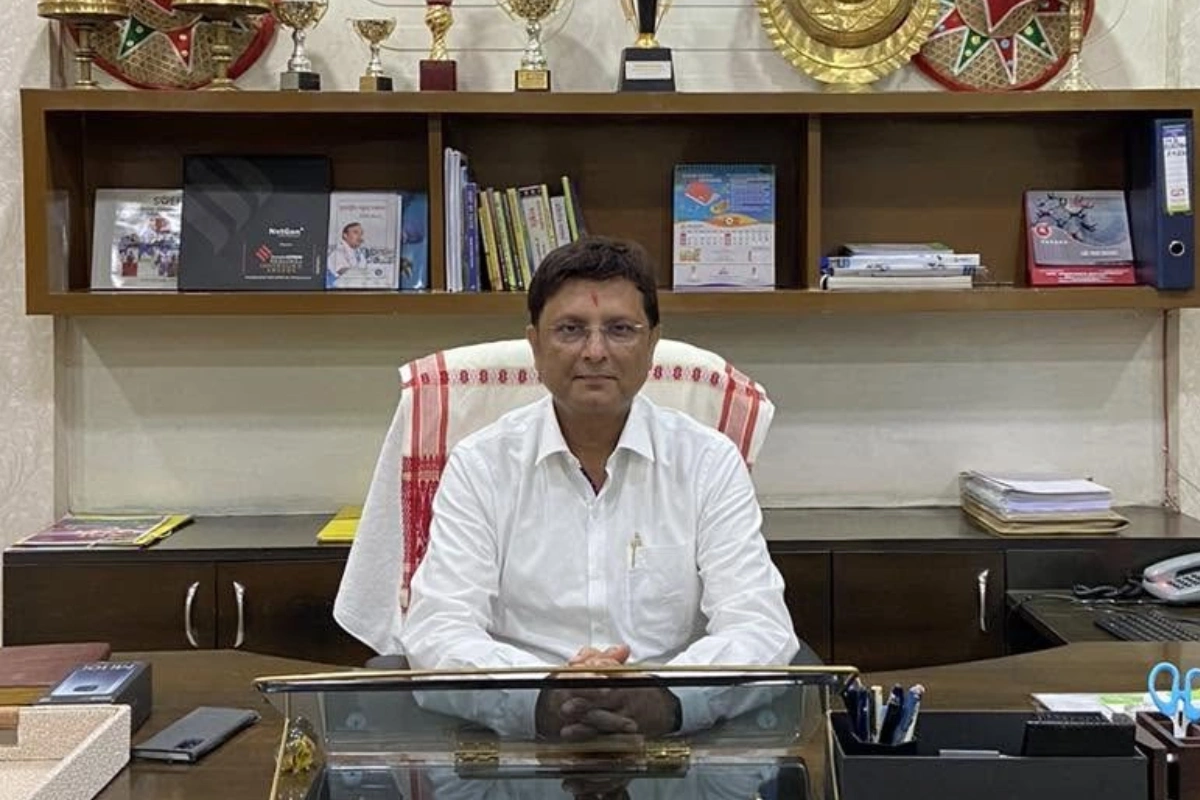
On August 6, Assam Chief Minister Himanta Biswa Sarma announced a statewide crackdown on unauthorised flood relief collection drives conducted on public roads. Taking a firm stand, the Chief Minister said that no individual or organisation would be allowed to collect money on roads in the name of flood relief without proper authorisation.
"Nobody will be allowed to collect money on public roads in the name of flood relief," Sarma said, warning that those violating the directive would face strict legal action.
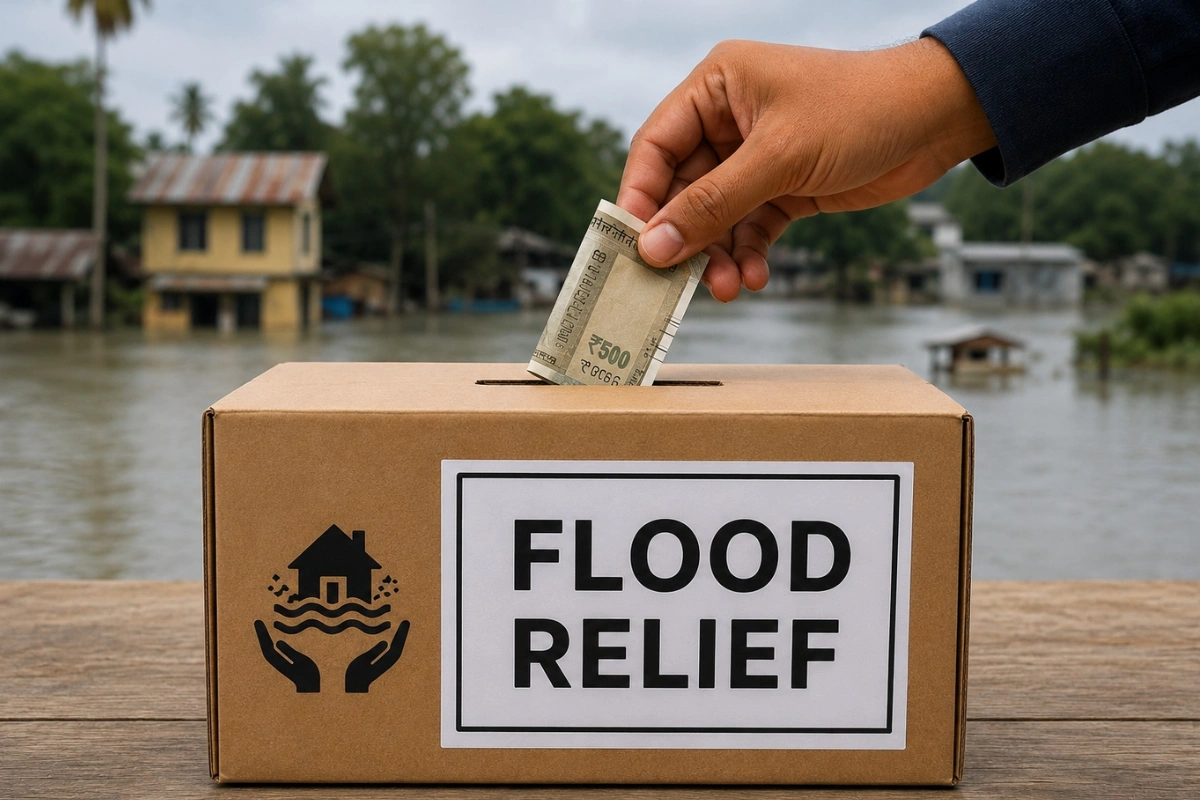
He further stated that people carrying donation boxes or displaying QR codes on roadsides to seek contributions from commuters would be stopped by the police. The Chief Minister also confirmed that he has instructed the Assam Police to immediately prevent such unauthorised fundraising activities across the state.
The announcement has received mixed reactions from different sections of society.
While many have welcomed the move as a necessary step to curb fraud and protect donors, some volunteer groups fear that the blanket restriction could also affect genuine grassroots initiatives that have long supported disaster relief efforts.
Among them is Sneha Sarma, a member of an organisation involved in collecting donations from the public for flood relief. Speaking on the issue, she said she believes there is nothing inherently wrong with collecting money on the roads if the intention is to help people affected by floods.
"I see no harm in collecting money from the people because everyone wants to help them but cannot always go there themselves. If they are paying through us, then there is no harm in that," she said.
At the same time, Sneha acknowledged that fraudulent activities do exist. However, she argued that the actions of a few should not undermine the efforts of genuine volunteers who work with honest intentions to provide relief to those in need.
Her views reflect a larger concern shared by several charitable groups, many of whom rely on public contributions collected through local campaigns to purchase food, drinking water, medicines and other essential supplies for flood-hit communities.
The recent surge in fraudulent flood relief collections has undeniably exposed the urgent need for stricter oversight. However, the conversation is no longer limited to scams alone. It has now shifted to whether the government's response is targeted enough to identify fraudsters or whether it risks treating every volunteer-driven relief effort with the same degree of suspicion.
In a state where floods are almost an annual reality, relief has never been the government's job alone. Students, local clubs, NGOs and volunteer groups have long stepped in, often reaching affected communities before official assistance does. Their work has been built on years of public trust, making many wonder whether a system to verify genuine fundraisers would have been a more balanced solution than a blanket restriction.
Stopping fake QR codes and fraudulent collections is necessary. But stopping people from collecting donations altogether is a different conversation. The challenge is not just to crack down, it is to crack down smartly.
Otherwise, the easiest target may not be the scammer, but the volunteer standing on the roadside with genuine intent.
The government's move may restore confidence by keeping fraudsters at bay. Or it may leave genuine volunteers thinking twice before stepping out to help. If that happens, the real test of this policy will not be how many scams it prevented, but whether, in trying to stop the fraudsters, it also managed to put the brakes on goodwill.


