


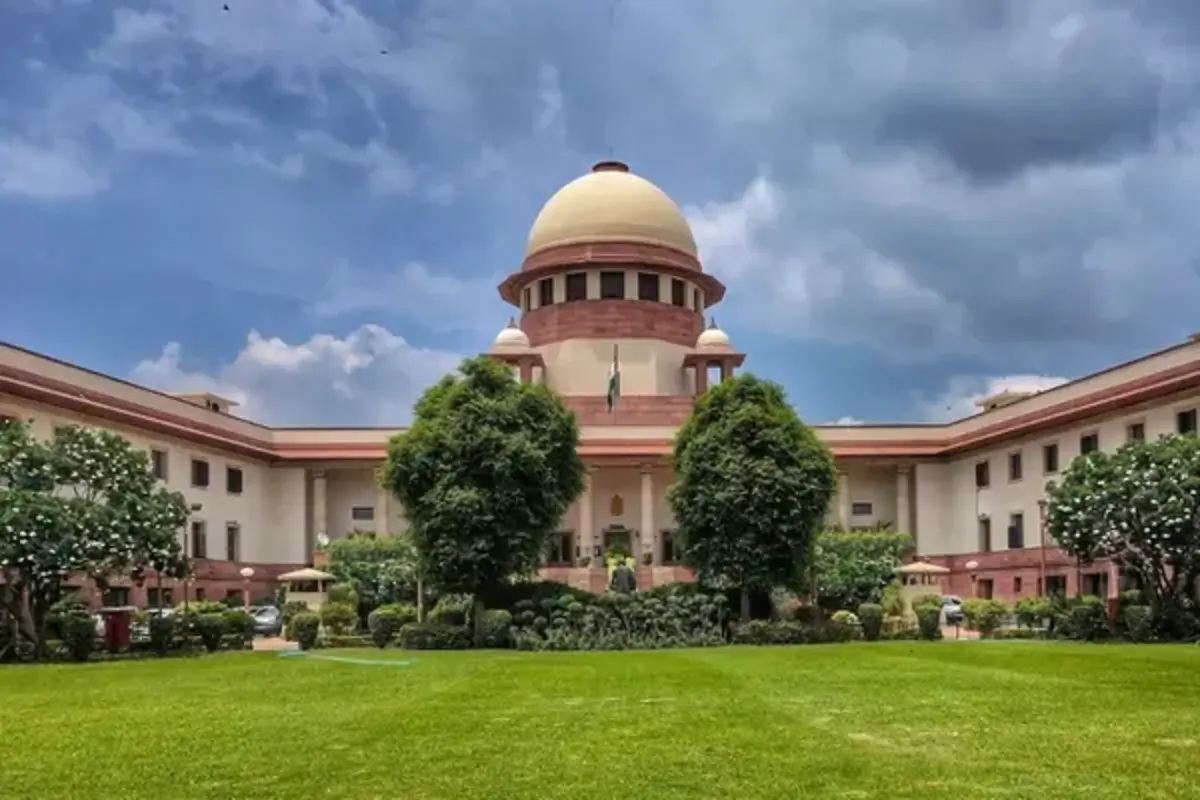
GUWAHATI: The Supreme Court has said no private university can be allowed to operate as a profit-making institution and directed private universities across the country to submit five years of audited financial records.
ALSO READ: ED Arrests Guwahati Man in Money Laundering Case Linked to Cricket Betting
A bench of Justice Ahsanuddin Amanullah and Justice N V Anjaria passed the directions on September 17 and directed the Centre, states and Union Territories to obtain the required details from the concerned universities and colleges and file affidavits through their Chief Secretaries within six weeks.
"We make it clear that no private university shall be allowed to be run as a profit-making institution. It has to serve a purpose with some sort of a cushion so that its finances/resources are responsibly managed to ensure smooth functioning of the institution and that the teaching and non-teaching employees are compensated suitably," the bench observed.
The court said private universities may maintain a reasonable financial cushion for smooth functioning and responsible management of their resources.
The proceedings originated from a student's grievance against Noida-based Amity University and were subsequently expanded into a nationwide examination. The court said that "in the larger public interest", it was necessary to examine the establishment, regulation and benefits received by private universities.
The universities have been directed to disclose audited financial records for the past five years, including funds generated and utilised, fees collected, surplus funds, investments and payments made to persons not directly involved in educational functions.
They must also provide details of fees collected at the time of admission and during the course, including collections under heads such as development funds and funds for special events, as well as details of how surplus funds are dealt with.
The court has sought details of benefits received from the Central and state governments, including land allotments, relaxations in existing laws and other special privileges.
Universities must also disclose the procedure followed for admitting students to each course and details of those responsible for admissions, setting examination papers, conducting examinations, evaluating answer sheets and handling funds, along with the role of management in these matters.
Details of the recruitment of teaching and non-teaching staff, their salaries, payment mechanisms and service conditions must also be furnished. The universities must provide details from January 2025 onwards on the allocation of classes to teaching staff, classes actually taken and alternative arrangements made when classes were not taken.
The court has also sought details of grievance redressal mechanisms for the last three years, including their composition, the number of complaints received, outcomes and the time taken to address them.
For colleges attached to hospitals, details of the hospitals and their relationship with the colleges must be furnished.
Affiliating and recognising bodies have been directed to provide details of inspections conducted over the last five years relating to recognition or affiliation, including details of the entire faculty and supporting staff on the basis of which recognition or affiliation was granted.
The Centre, states and Union Territories have been directed to file the affidavits within six weeks, with advance copies to Dr R M Sharma, Chairman of the School Monitoring Committee. The matter will next be heard on November 19.


