



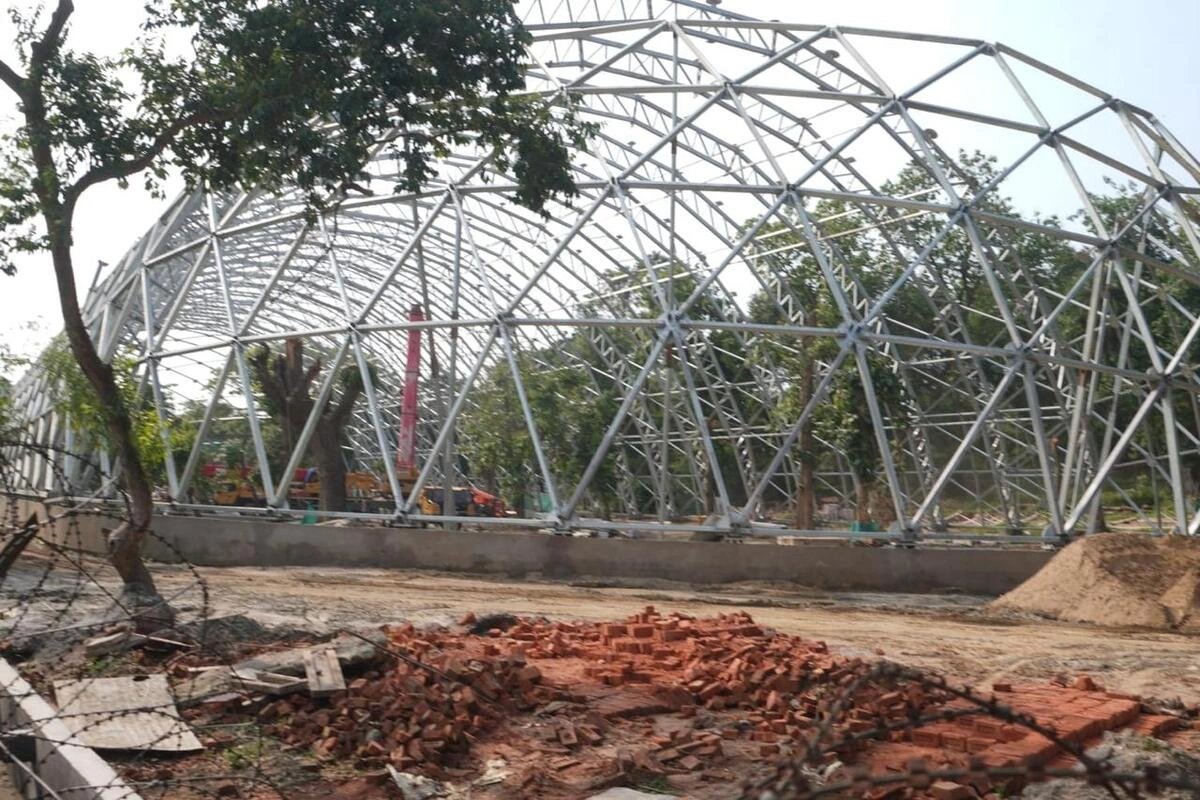
The Assam State Zoo is reinventing itself with futuristic animal habitats, immersive experiences, and ambitious conservation goals
A transformation is underway in the heart of Guwahati as construction workers put in labour around the clock to reshape the Assam State Zoo Cum Botanical Garden. The ambitious ₹362-crore modernisation initiative aims to elevate the historical Guwahati landmark into a world-class conservation hub and wildlife tourist destination.
ALSO READ: Guwahati’s Flyover Expansion Raises Waterlogging Concerns; Residents Blame Poor Drainage
Spread across the lush, sprawling landscapes adjacent to the Hengrabari Reserve Forest, the facility, famously known as the "Green Lung" of Guwahati city, is preparing for an architectural and ecological rebirth that blends high technology with deep environmental preservation.
The redevelopment project is being aggressively implemented, combining resources from both state and central governments.
The entire project is estimated to cost approximately ₹362 crore by its final completion, representing one of the largest financial investments in a wildlife and zoological facility in the history of Northeast India.
Of the total cost, about ₹100 crore will be borne by New Delhi.
Though the foundation stone laying was done by Chief Minister Himanta Biswa Sarma on January 1, 2025, heavy machinery and specialist construction teams commenced physical ground operations sometime in March 2025.
According to a functionary from the infrastructure agency executing the master plan on the ground, the project is firmly on track to be completed by November 2026.
The vision of the master plan extends far beyond mere cosmetic upgrades. The multi-crore blueprint focuses heavily on significantly improving animal welfare standards, creating naturalistic habitats for resident wildlife, and dramatically elevating the educational value and comfort experience for hundreds of thousands of annual visitors.
By combining modern structural innovation with sensitive habitat planning, the state aims to attract a much larger volume of national and international tourist footfall to the region.
The detailed structural master plan shared by the government promises an unforgettable journey from the moment guests step onto the premises. The newly designed primary entrance is envisioned as a multi-purpose welcome hub, thoughtfully integrated with modern escalators and spacious ticketing plazas to guarantee smooth entry for people of all age groups and physical capabilities.
Despite the massive scale of engineering, project designers have strictly prioritised ecological harmony, ensuring that the layout preserves existing heritage trees and proactively conserves rainwater through a series of natural water reservoirs, according to the master plan.
To accommodate the expected surge in tourism, the zoo is incorporating massive multilevel parking infrastructure capable of absorbing high-density traffic during peak holiday seasons.
Inside the park, navigation will be made entirely effortless and eco-friendly through a fleet of quiet, battery-operated vehicles. Navigating the expansive 175-hectare zoo will be simplified by highly visible, modern signage networks and digital, interactive animal information boards.
Visitors can instantly scan QR codes placed at major exhibits to learn about species origins, dietary patterns, and conservation statuses via their smartphones.
For leisure and recreation, the master plan features a vibrant, multi-cuisine food court designed within a beautifully landscaped setting. Visitors can relax and recharge at a sprawling interpretation centre and designated resting pavilions placed tactfully along the forest trails.
Younger audiences can look forward to a state-of-the-art children's park and an expansive park plaza, both featuring highly engaging, interactive themes that promise memorable, fun-filled educational adventures.
Furthermore, an open-air theatre, a 300-seat corporate auditorium, and a modern museum will function alongside each other, offering an ideal blend of live entertainment and historical education by bringing stories of wild lore to life.
The crown jewels of the redeveloped zoo are undoubtedly the next-generation animal enclosures. The upcoming hippopotamus enclosure will break traditional boundaries by featuring an engineered glass viewing platform, offering visitors an unparalleled, up-close underwater look at these majestic aquatic giants as they swim.
Similarly, massive walk-in aviaries, poised to be among the largest in the country, will house an array of exotic birds and raptors. These structures are precisely engineered to mimic wild habitats, offering a serene, immersive bird-watching environment where birds fly freely above visitors.
For adrenaline seekers, the zoo will introduce heavily fortified, shaded glass viewpoints facing the mega-carnivore territories. This design safely removes iron bars, combining maximum human safety with an intimate, breathtaking encounter with lions, tigers, and leopards.
Additionally, a specialised nocturnal house will unveil the mysterious lives of unique creatures that thrive exclusively in pitch darkness, utilising specialised low-light environments.
Nearby, a secure reptile house will present an impressive, secure collection of diverse snake and lizard species, while tranquil, expansive deer enclosures will provide peaceful clearings for observation.
Beyond public exhibition, the renovation heavily reinforces the zoo's core mission as a premier ex-situ conservation and rescue centre. The project includes a fully upgraded veterinary hospital, rapid-response rescue facilities, and advanced quarantine centers. These units will deploy top-tier medical care to injured wildlife, supporting the state's intensive conservation and rehabilitation efforts.
First established in 1957 and officially opened to the public in 1958, the Assam State Zoo currently houses over 112 unique species. As construction advances steadily toward the late 2026 deadline, this massive modernisation ensures that Guwahati's beloved 'Green Lung' will continue to stand as the finest recreational, educational, and environmental sanctuary in Northeast India.
The state government is now planning to set up two more zoos at Dibrugarh and Silchar, respectively. Both the zoos are to be built in an open zoo model, as ₹259 crore and ₹214 crore have been earmarked for Dibrugarh and Silchar zoos, respectively. The Assam government is also setting up an Institute of Wildlife and Health for wild animals at Chabua.


