



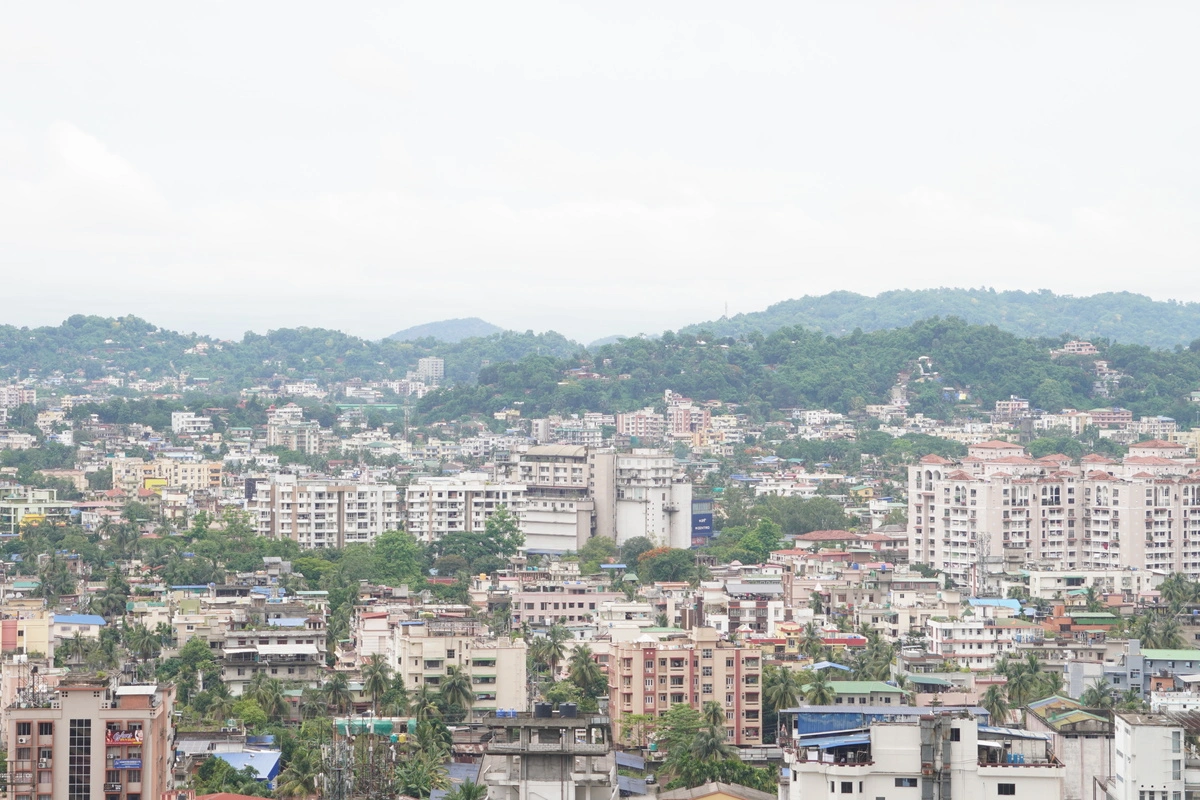
Once known for affordability, Guwahati is now witnessing metro-like living costs in transport, housing and daily expenses
There was a time when Guwahati was considered one of the most affordable cities in the Northeast. People from nearby towns and villages moved to the city for better education, jobs, healthcare and opportunities while still enjoying a comparatively lower cost of living than metro cities like Delhi, Mumbai or Bangalore and Chandigarh. However, over the years, residents have begun noticing a major shift. Today, many believe that Guwahati is no longer the “cheap city” it once was. From transportation to food, rent and lifestyle expenses, the city is increasingly being compared with India’s metropolitan cities.
ALSO READ: Guwahati Faces Concern Over Open Substance Abuse by Children in Public Spaces
For many people living in Guwahati, carrying a ₹500 note for a single day is often not enough. Daily expenses such as transport fares, eating outside, shopping for groceries and paying utility bills can quickly empty one’s wallet. Residents who have lived in metro cities or travelled frequently outside Assam say that Guwahati is now competing with metropolitan cities in terms of expenses, despite lacking several facilities that those cities provide.
Transportation is one of the biggest concerns raised by people living in the city. While metro cities are often seen as expensive, many residents argue that public transportation there is actually far more affordable and accessible than in Guwahati. Piya Das, originally from Assam and currently residing in Guwahati after spending time in Delhi, shared her experience regarding the difference in transportation costs between the two cities.
According to her, Delhi may appear costly overall, but commuting there is much cheaper because of the extensive metro network. She explained that travelling a distance of around 32 to 34 kilometres in Delhi can cost only around ₹60 to ₹70 through the metro system. In comparison, travelling a similar distance in Guwahati through cab services can easily cost ₹200 to ₹300 or even more. She added that even two-wheeler ride services in Guwahati often charge high fares.
Similar concerns were raised by Shweta Purkayastha, who has lived in Chandigarh. She pointed out that Guwahati lacks efficient and affordable transport options. According to her, even for short distances, booking a two-wheeler ride becomes expensive. She also mentioned another common issue faced by commuters in Guwahati, frequent ride cancellations and additional charges beyond the displayed fare. Such problems make everyday travel frustrating and financially draining for residents.
Many people who have lived in metro cities believe that despite higher populations and traffic congestion, cities like Delhi and Mumbai still provide more reliable and affordable public transportation systems. Local trains in Mumbai and metros in Delhi help people travel long distances at relatively low costs. In Guwahati, however, dependence on private cabs and ride sharing services has increased transportation expenses significantly.
Apart from transportation, the rising prices of food and lifestyle products have also become noticeable. While street food and restaurant prices may not differ drastically from metro cities, the cost of vegetables, fruits and daily essentials has increased sharply in Guwahati. Residents say that groceries which were once affordable are now becoming expensive for middle-class families.
Rahul Bose, who has lived in Bangalore, observed that metro cities offer a wider variety of cafes and restaurants catering to different budgets. According to him, Guwahati has comparatively fewer cafes, and many of them are becoming increasingly expensive. The growing café culture in the city reflects changing lifestyles and consumer behaviour among young people. What was once considered a luxury is now becoming a regular part of urban life in Guwahati.
Another resident of Guwahati explained how lifestyle trends are contributing to the increasing cost of living. She said that many high-end products and luxury food items that were once uncommon in Guwahati are now easily available in markets and supermarkets. Fruits like avocado and dragon fruit, which were previously rarely seen in local markets, are now being purchased regularly by residents. According to her, some people buy such products out of genuine preference, while others purchase them because of social pressure and fear of missing out, commonly referred to as “FOMO.”
This shift in consumer culture reflects how Guwahati is gradually adopting the lifestyle patterns of metropolitan cities. Branded stores, premium cafes, luxury apartments and modern shopping centres are becoming increasingly common in the city. As aspirations and spending habits change, overall living expenses continue to rise.
Rent and housing costs are another major issue for residents and students. While some people believe that rents in Guwahati are still slightly lower than in metro cities, others argue that the difference is shrinking rapidly. Shweta Purkayastha shared that she rented a fully furnished 2BHK apartment in Chandigarh for around ₹20,000 per month. According to her, finding a similar fully furnished apartment in many areas of Guwahati within the same budget is becoming difficult.
She also highlighted differences in utility expenses. In Chandigarh, electricity consumption below 300 units per month is free for residents, which helps reduce monthly household expenses. In contrast, Guwahati’s prepaid electricity system has become a challenge for many people. Residents often complain that electricity gets disconnected suddenly when the prepaid balance runs low, causing inconvenience and additional stress.
Students living in paying guest accommodations and rented apartments in Guwahati also expressed concerns about rising living costs. Several students said that PG rents, food prices and educational expenses have increased so much that surviving in the city is becoming difficult for many families. Compared to earlier years, students now need significantly larger budgets to manage accommodation, transport and daily expenses.
Tora Mahanta, a young working professional who studied in Mumbai, said that although Mumbai is known for extremely high rents, there are still areas where affordable accommodation options are available. She believes that while Guwahati is smaller than Mumbai, the rising costs in the city are making it increasingly difficult for middle-class residents and students to manage their finances comfortably.
The transformation of Guwahati into a more modern and commercially developed city has undoubtedly brought growth and opportunities. Better infrastructure, shopping malls, restaurants, educational institutions and business centres have improved urban life in many ways. However, along with development, the burden of increasing expenses is also becoming more visible.
Many residents feel that salaries and employment opportunities in Guwahati have not increased at the same pace as living costs. This creates financial pressure, especially for students, working professionals and middle-income families. While metro cities often provide higher salaries and more employment options to balance their expensive lifestyles, Guwahati still struggles to offer similar economic advantages.
The comparison between Guwahati and metro cities is no longer limited to development or urbanisation. Increasingly, people are comparing them in terms of daily expenses and financial pressure. Transportation costs, rising rents, expensive groceries, lifestyle spending and utility bills are making residents rethink the idea of Guwahati as an affordable city.
As the city continues to grow, the challenge for both authorities and citizens will be finding a balance between urban development and affordability.
Without better public transportation, affordable housing and improved public services, the burden on residents may continue to rise. Guwahati may not yet officially be considered a metro city, but for many people trying to manage daily expenses, it is already beginning to feel like one.


