



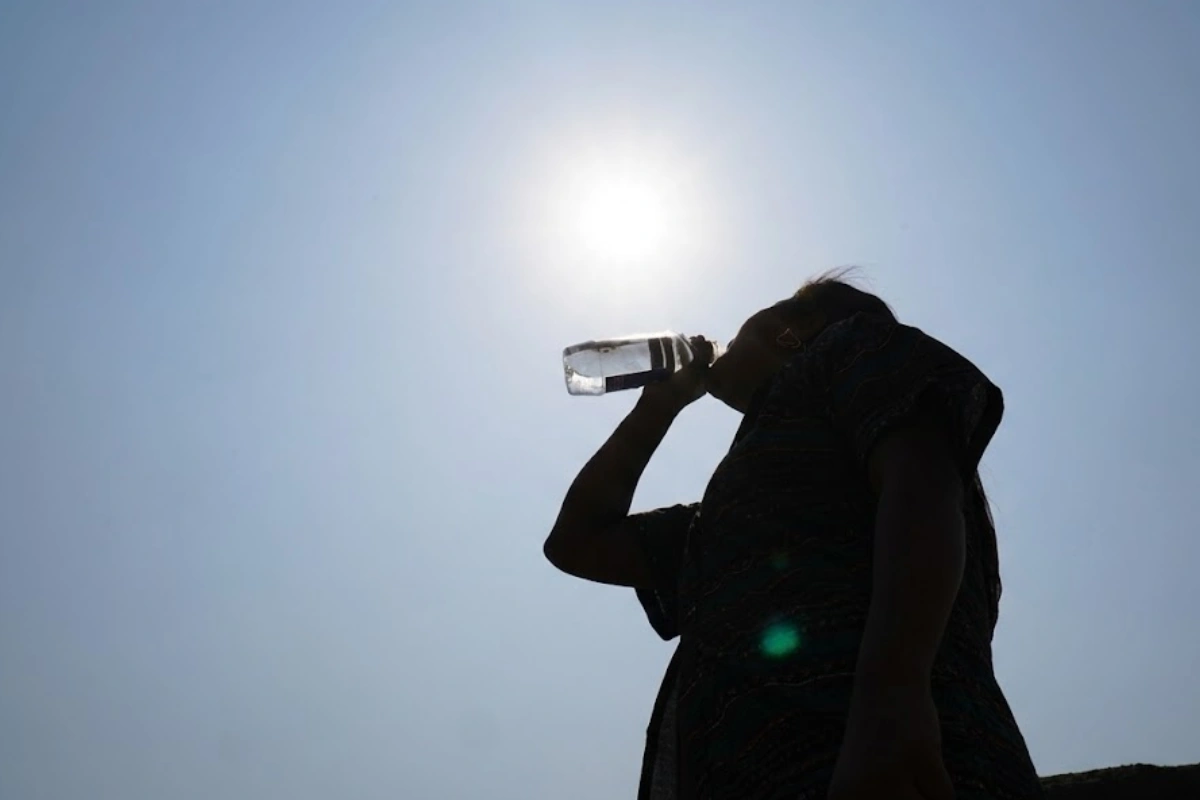
GUWAHATI: More than 450,000 people could die from additional heat linked to the ongoing super El Niño by February 2027, according to estimates by climate scientists.
ALSO READ: Manipur’s Roshibina Devi Bags Silver, Secures Third Straight Asian Games Medal
The projected deaths would be in addition to heat-related deaths already being driven by rising global temperatures. Researchers said the impact could be felt across the world, including India, Indonesia, Nigeria and the United States.
The estimates were released by the University of Chicago’s Climate Impact Lab on Wednesday, September 23. The study projects heat-related deaths from June 2026 to February 2027 and compares the expected toll linked to El Niño with heat deaths in a typical year.
Researchers estimate that global land temperatures could rise by around 1.2 degrees Celsius, while extremely hot days could become 44% more frequent than in an average year.
Developing countries and Africa’s Sahel region are expected to face a particularly heavy impact. The study projects around 66,800 additional deaths across the Sahel, with Nigeria recording the highest projected toll for a single country at 31,400.
Indonesia is projected to see around 19,300 additional heat-related deaths, followed by Sudan with 17,600 and India with 15,800. Brazil is projected to record around 13,300 additional deaths.
The Philippines, Vietnam, Thailand and Cambodia are together expected to see around 19,400 additional deaths.
Michael Greenstone, co-founder of the Climate Impact Lab and a co-author of the study, said the greatest heat risks were expected in regions that already experience high temperatures and have lower incomes.
The researchers said measures such as improved heat forecasts, cooling centres, additional medical staff during periods of extreme heat and stronger protections for outdoor workers could help reduce the impact.
The current El Niño began developing in June and is expected to be among the strongest on record. The phenomenon is a natural climate pattern, although scientists say climate change may intensify its effects.
The El Niño has already pushed temperatures associated with the phenomenon to record levels. In early September, the World Meteorological Organization reported a 100% likelihood that El Niño would continue through February 2027.
However, researchers said the health impact could continue beyond the end of the current forecast period, with elevated heat-related deaths potentially lasting until June or July 2027.
The study used peer-reviewed methods to examine the relationship between temperature and additional heat-related deaths across 24,378 regions worldwide. Researchers combined this data with forecasts of higher temperatures linked to El Niño and used average monthly heat deaths from 1996 to 2025 as the baseline.


