



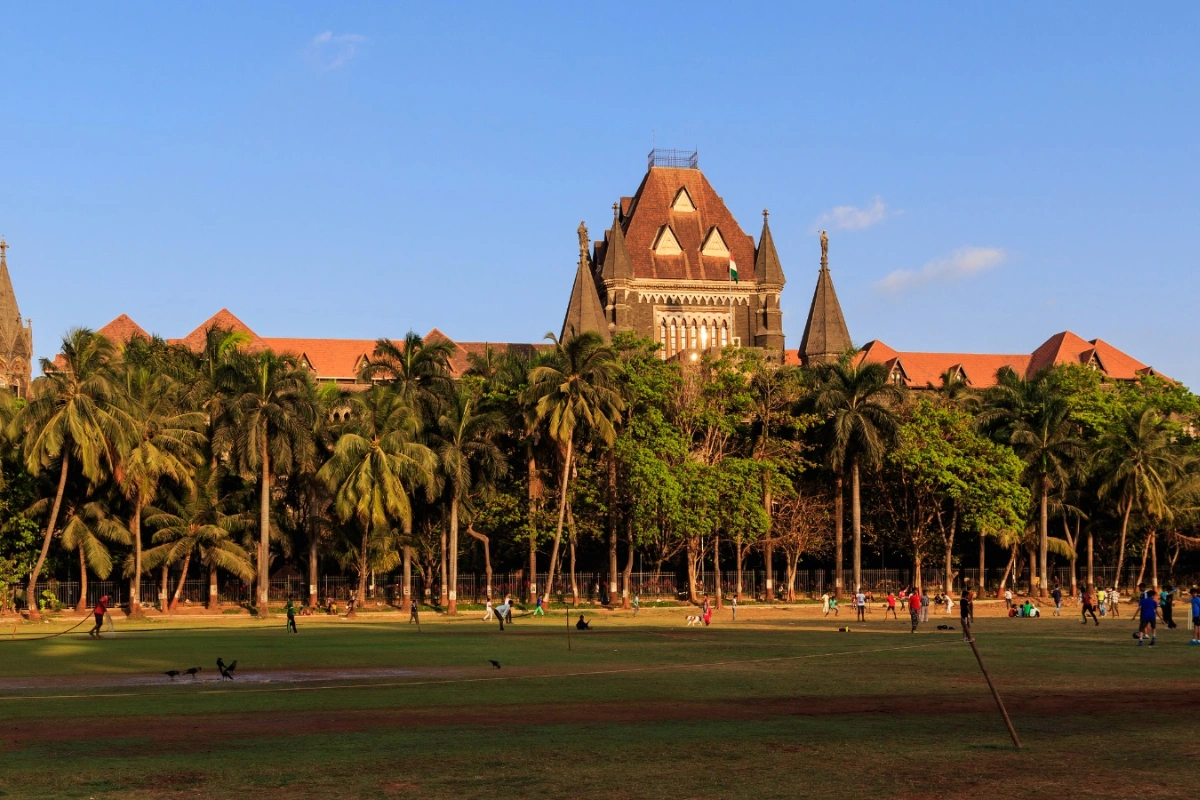
GUWAHATI: The Bombay High Court has ruled that protesting against government decisions or raising slogans against the government cannot, by itself, justify the externment of a citizen from a particular area. The court quashed an externment order issued against SDPI leader Saeed Ahmad Abdul Wahid Chaudhary, holding that peaceful dissent is protected under the Constitution.
ALSO READ: Nalbari Assault: Teen Girl Succumbs to Injuries at GMCH After Month Long Battle
Justice Madhav Jamdar passed the order while hearing a petition filed by Chaudhary, the 49-year-old General Secretary of the Socialist Democratic Party of India (SDPI), who had challenged his one-year externment from Mumbai city, its suburbs and adjoining areas.
Chaudhary, a resident of Chembur and a former parliamentary election candidate, was externed after multiple FIRs were registered against him between 2019 and 2024. The cases were primarily linked to protests over the Citizenship (Amendment) Act (CAA), the National Register of Citizens (NRC), the Gyanvapi mosque dispute, the demolition of the Babri Masjid, alleged corruption in the Waqf Board, and rising fuel prices.
While hearing the petition, Justice Jamdar questioned why an order barring Chaudhary from Mumbai for a year had been passed based on five FIRs, most of which were related to protests against the Union government.
Expressing concern over the use of police powers against protesters, the judge remarked, “All citizens are being made slaves of the Indian Government. They cannot stage protests, they cannot agitate. What is all this? Now so many papers have been leaked. If people protest, you will slap cases… What is this?"
Justice Jamdar also questioned how slogans such as "BJP government murdabad" and "Amit Shah murdabad" could justify an externment order. The judge observed that police officers are public authorities accountable to citizens and not functionaries of political leaders.
Externment proceedings began with a show-cause notice issued on October 20, 2025, under the Maharashtra Police Act. In December 2025, the Deputy Commissioner of Police, Chembur, ordered Chaudhary's externment for 12 months, alleging that his activities had created fear and disturbed public order. The order was later upheld by the Divisional Commissioner of the Konkan Division.
Before the High Court, Chaudhary argued that the externment prevented him from carrying out political and organisational work in his constituency ahead of the Mumbai civic body elections. He also alleged that preventive police powers had been misused to suppress democratic dissent through vague and unsubstantiated allegations.
Allowing the petition, Justice Jamdar held that the externment order amounted to a mala fide exercise of police powers and that Chaudhary's participation in peaceful protests could not be treated as a valid ground for externment under the Maharashtra Police Act.
The court quashed both the original externment order and the appellate order, observing that they were based solely on Chaudhary's role in organising and participating in protests. It held that the action violated his fundamental rights under Articles 19 and 21 of the Constitution, reaffirming that freedom of speech, peaceful protest and the right to live with dignity are essential pillars of India's democratic framework.


