



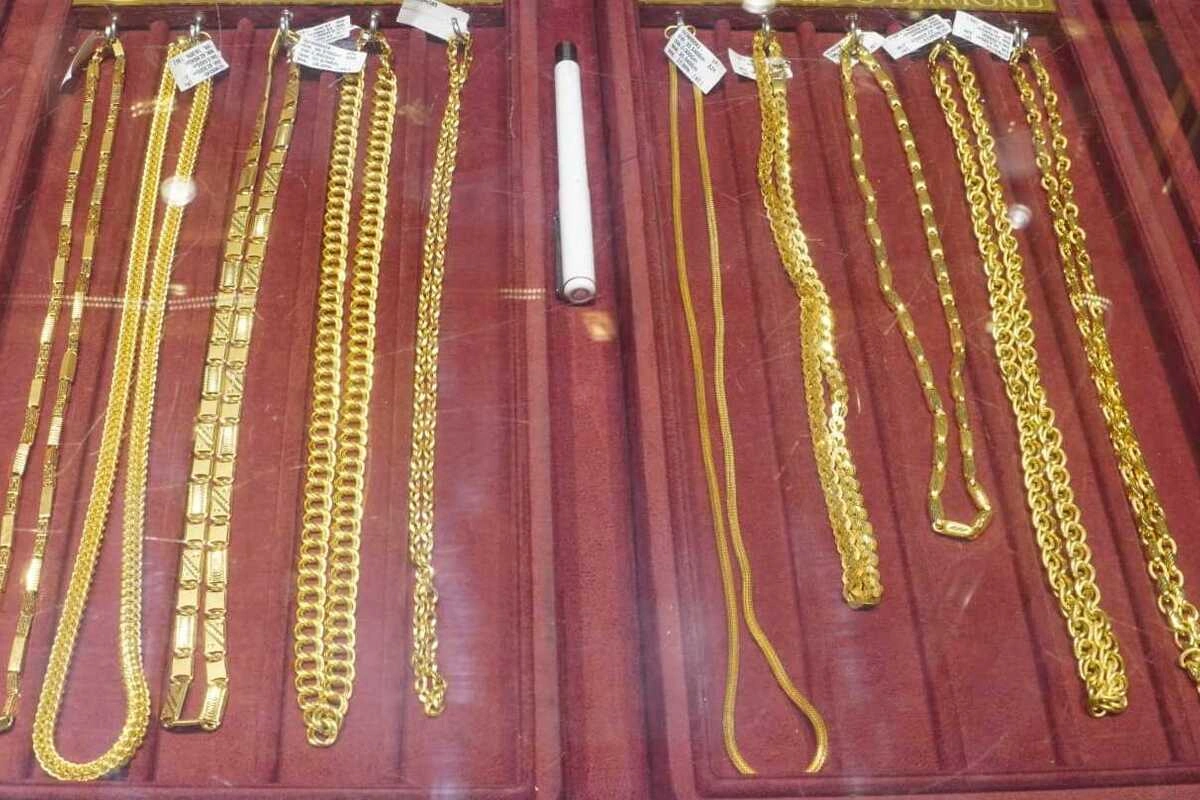
Gold prices in India are hitting record highs, forcing buyers to rethink purchases as rising import duties, global tensions, and economic pressure turn the precious metal into a national concern
Planning to buy a gold necklace for a wedding, save up with a few gold coins for the future, or gift someone special a piece of jewellery this festive season, only to check the price tag and rethink the entire plan? That’s a feeling many Indians can relate to right now. Gold, which has always been more than just a metal in Indian households, symbolising tradition, financial security, and even social status is suddenly becoming much harder to afford. And as prices continue to climb, the yellow metal is no longer just a family investment or festive purchase, but also a major topic in the country’s economic conversation.
ALSO READ: Guwahati’s Ganeshguri Residents Demand Action Over Recurring Late-Night Disturbances, Sleepless Nights
With gold prices touching record highs and the Central government increasing customs duty on gold from 6% to 15%, many consumers are left wondering: Is the surge linked to global war situations and economic instability, or are government policies equally responsible for making gold more expensive?
Prime Minister Narendra Modi’s recent appeal urging citizens to reduce gold purchases for at least a year has further intensified discussions. The government maintains that the move is necessary to protect India’s foreign exchange reserves and strengthen the rupee. However, in a country where gold is emotionally and culturally tied to weddings, festivals, and financial security, reducing demand may not be as simple as it sounds.
India’s economy is currently facing pressure due to a widening Current Account Deficit (CAD), which essentially means the country is spending more on imports than it is earning through exports. Two major imports, crude oil and gold, are among the biggest contributors to this imbalance.
Global geopolitical tensions, especially in West Asia, have pushed crude oil prices higher, putting additional pressure on India’s economy. As oil becomes more expensive, the value of the rupee weakens, making imports costlier. In such situations, governments often look for ways to reduce non-essential imports, and gold frequently becomes the focus.
According to data from the Ministry of Commerce and Industry, India imported gold worth nearly $71.9 billion during 2025-26, marking a 24% increase compared to the previous year. Interestingly, the increase was not because Indians bought more gold in quantity. In fact, the volume of gold imports fell by around 5% to 721 tones. The rise was primarily due to soaring international gold prices.
This means that even though people may be purchasing less gold physically, the country is still spending significantly more money on importing it.
In Guwahati, the impact of rising prices and public uncertainty is already visible in jewellery markets. Several shop owners told GPlus that customer footfall has dropped sharply in recent weeks.
One jewellery shop owner said business has slowed down to an unusual level. “There are days when not even a single customer walks into the shop,” he said, highlighting the fear and hesitation among buyers.
Another manager from a reputed jewellery brand explained the government’s perspective behind increasing customs duty. According to him, India does not produce enough gold domestically and depends heavily on imports. “If people continue buying gold at this rate, the government will have to spend more foreign currency to import it from other countries. That affects the country’s reserves,” he said.
The concern over foreign reserves is not entirely unfounded. A country’s reserve of foreign currency is crucial for maintaining economic stability, managing imports, and handling global financial shocks. When reserves shrink, currencies weaken further, making imports even more expensive. Economists argue that reducing gold imports could help ease this pressure.
However, for consumers and traders, the situation feels more immediate and personal.
Rajib Nath, Cluster Manager of MPJ Jewellers, said there is widespread confusion among customers regarding the recent price rise. According to him, many people believe that the intrinsic value of gold has suddenly increased because of government action, whereas the actual international price of gold is determined globally.
“What has increased in India is the customs duty tax on gold imports,” Nath explained. “People are misunderstanding the concept and assuming gold itself has become unaffordable overnight. On top of that, the Prime Minister’s statement asking citizens to avoid buying gold for some time has created fear among customers, and that is affecting the market.”
His comments reflect a growing challenge faced by jewellers across the country. Beyond pricing, public perception it has become a factor influencing the industry. Even customers who can afford gold are now delaying purchases, waiting for prices to stabilise or for clarity on future policy decisions.
Despite this slowdown, traders do not believe the fascination with gold will disappear anytime soon.
When asked whether consumers are now shifting towards silver as a cheaper alternative, several jewellery shop officials dismissed the idea of silver replacing gold in the Indian market.
“Silver can never replace gold,” one official said confidently. “Gold has emotional, cultural, and investment value that silver does not fully offer. People may pause purchases for now because of fear and rising prices, but eventually they will return.”
Jewellers also pointed out that the current period is considered an off-season for gold sales, which may be contributing to the reduced demand. Traditionally, demand rises sharply during wedding seasons and major festivals like Diwali, Akshaya Tritiya, and Bihu.
Kanhaiya Soni, co-partner of L Gopal Jewellers, urged the government to consider measures to support jewellers, as the recent surge in gold prices has led to a noticeable decline in sales. He also pointed out that the government has suggested customers can exchange their old gold jewellery for new items, an option that many people are now considering to manage rising costs.
Still, the broader question remains: can policy decisions alone reduce India’s appetite for gold?
Historically, attempts to discourage gold purchases through higher taxes and import duties have delivered mixed results. While such measures may temporarily reduce official imports, they have also, at times, encouraged smuggling and unofficial trade channels. India’s relationship with gold is deeply rooted in tradition, inheritance, and long-term financial planning, particularly among middle-class families.
For many households, gold is not merely a luxury item but a form of savings and security during uncertain times. Ironically, global uncertainty and fears of economic instability often increase people’s desire to invest in gold, as it is traditionally viewed as a “safe haven” asset.
This creates a complex situation for policymakers. On one hand, reducing gold imports may help protect the economy and stabilise the rupee. On the other, restricting access to gold or making it significantly more expensive could impact businesses, employment in the jewellery sector, and consumer confidence.
The coming months will likely reveal whether the government’s strategy succeeds in reducing imports without severely affecting the domestic jewellery industry. Much will also depend on international developments, especially crude oil prices, global inflation trends, and geopolitical tensions.
For now, customers continue entering jewellery stores with hesitation, checking prices twice before making decisions. Some postpone purchases; others reduce the quantity they buy, while many simply wait and watch.
Whether this slowdown is temporary or the beginning of a long-term shift in India’s gold-buying culture remains uncertain. But one thing is clear: in a country where gold is woven into celebrations, traditions, and emotions, the conversation around its rising price is far from over.


