



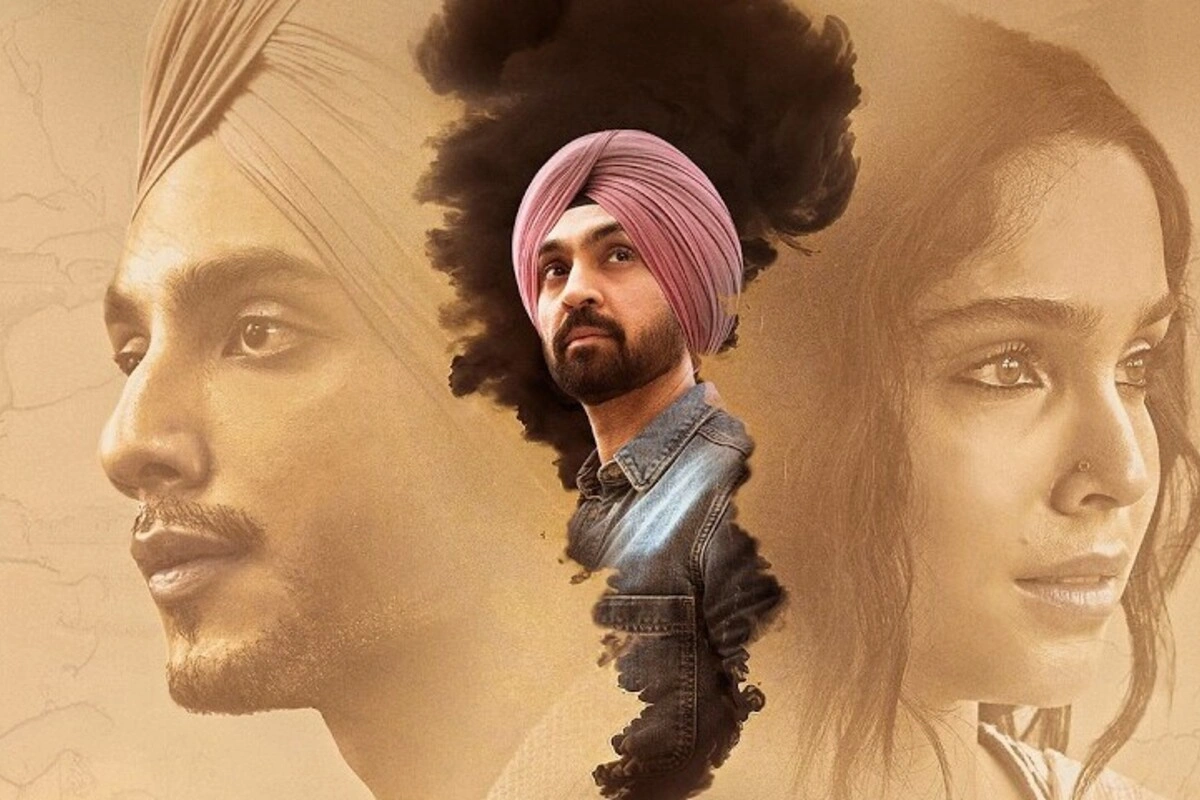
Watching Main Vaapas Aaunga often felt like revisiting the emotional landscape of Rockstar. Not because the stories are the same, but because Imtiaz Ali once again places a tender love story alongside the personal struggles of his protagonist. The result is a deeply moving film that reminds us why he remains one of Hindi cinema's most distinctive storytellers.
ALSO READ: Movie Review | Obsession
The screenplay is among the film's greatest strengths. Never in a hurry, it allows every emotion the time to breathe, making the payoff all the more rewarding. Complementing it is yet another masterclass from the A.R. Rahman–Irshad Kamil partnership. The soundtrack is nothing short of exceptional. Kya Kamaal Hai showcases Diljit Dosanjh's effortless vocal brilliance, Ishq Mastana sees Mohit Chauhan and Rahman recreate the magic only they seem capable of, while Voh Nahi carries the spiritual depth of classics like Kun Faya Kun and Khwaja Mere Khwaja. Tere Paas Main is the emotional heartbeat of the album and deservedly the song audiences have embraced the most, while Maskara adds a lively burst of energy. Even if you walked into the theatre just for the music, A.R. Rahman has served a full-course feast.
The film, however, belongs to Naseeruddin Shah.
After decades of timeless performances, Shah somehow finds another gear. His portrayal is extraordinary, deeply layered, restrained and emotionally devastating in all the right ways. He doesn't merely play a character, he carries an entire lifetime of longing in every expression.
Vedang Raina is the film's biggest surprise. His restrained portrayal is refreshingly mature, never once slipping into melodrama. Sharvari brings warmth, innocence and infectious charm, while Diljit Dosanjh delivers exactly what the story demands, nothing more, nothing less. This being his second collaboration with Imtiaz Ali speaks volumes about the director's faith in his screen presence and ability to anchor emotionally layered stories, Ranbir Kapoor being the only other actor to do so.
Perhaps the film's greatest achievement is the way it handles Partition. One of the darkest chapters in the history of the Indian subcontinent is portrayed with remarkable sensitivity. The storytelling is often cold in depicting the brutality of displacement, yet always warm in portraying the humanity that survived it. For many in my generation, Partition exists only in textbooks. This film reminds us that, for millions, it was lived reality. The emotional response has reflected exactly that. Social media has been filled with videos of audiences – particularly older viewers – breaking into applause, shedding tears and thanking Imtiaz Ali and his team for bringing such a deeply personal chapter of history to the big screen with empathy and dignity.
The biggest reviewer, however, is never a critic: it's the audience. And the audience has spoken. Word of mouth has travelled quickly, with viewers recommending the film to friends and family long after the credits roll. Main Vaapas Aaunga is absolutely a film worth experiencing in a theatre.
"Mohabbat ka sabse bada dard bichhadna nahi, yaad reh jaana hai."
That one line captures the soul of the film.
More than anything else, I'm simply glad Imtiaz Ali is finally getting his flowers now, instead of waiting another five or ten years for audiences to rediscover this film and retrospectively label it a masterpiece – as has happened with so many of his finest works.


