



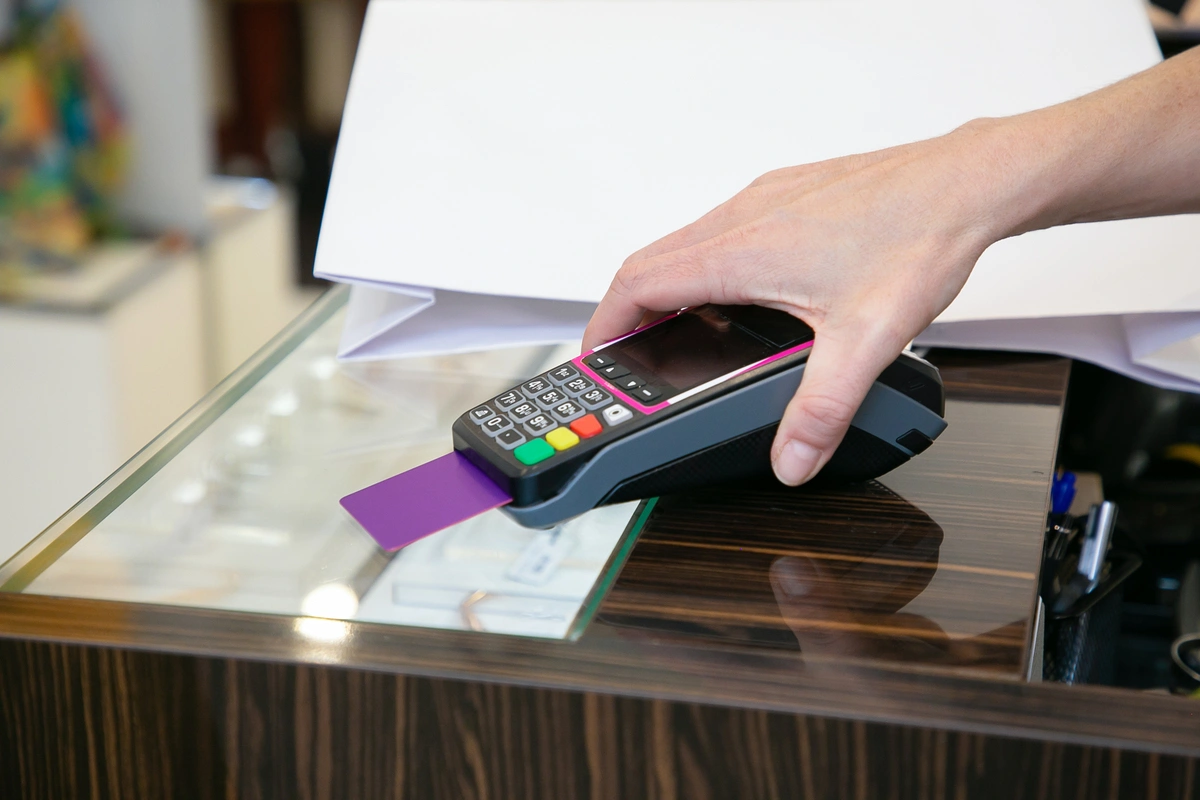
Digital payments are now a core part of how businesses operate, from retail counters to service environments. While this shift has improved speed and convenience, it has also increased the volume of sensitive customer data being processed every day.
Card details, PINs and transaction records move across multiple systems in seconds, making security a constant priority. A modern card swipe machine must do more than enable transactions.
It should actively protect customer information, reduce fraud risks and ensure compliance with evolving payment standards. Businesses that invest in strong security protocols not only safeguard data but also build long-term trust with customers. Here are 5 essential security protocols every business should look for when choosing a reliable payment device.
5 essential security layers every card swipe machine should have
Before choosing a card swipe machine, businesses need to assess how well it protects customer data across the entire transaction journey. These security protocols work together to safeguard sensitive information, reduce fraud risks and ensure compliance with global standards.
1. End-to-end encryption for complete data protection
End-to-end encryption ensures that sensitive customer data is protected from the moment it is entered into the card swipe machine until it reaches the payment processor. This means that card details are encrypted at the source and remain secure throughout the transaction journey.
Even if data is intercepted during transmission, encryption ensures it cannot be read or misused. This is especially important in environments with high transaction volumes, where multiple data exchanges happen simultaneously. A card swipe machine with strong encryption reduces exposure risks and strengthens overall transaction integrity.
2. PCI DSS compliance for payment security
A dependable card swipe machine must comply with the Payment Card Industry Data Security Standard (PCI DSS) requirements. These globally recognised standards define how businesses should handle, process and store cardholder data securely.
PCI DSS compliance ensures that the device follows strict protocols around encryption, access control and network security. It also supports regular system checks and audits, helping businesses maintain consistent security practices over time.
Choosing a PCI-compliant card swipe machine reduces the likelihood of breaches and simplifies regulatory adherence.
3. HSM-secured transactions for encrypted key management
Hardware Security Modules (HSMs) are specialised components designed to manage encryption keys securely. A card swipe machine that uses HSM-secured transactions ensures that sensitive data, such as PINs and card information, is encrypted using dynamically generated keys.
These keys are stored within a secure hardware environment, making them extremely difficult to access or compromise. This protocol is particularly important for PIN-based transactions, where an additional layer of protection is required.
By using HSM-backed encryption, a card swipe machine can maintain high levels of data security even in complex transaction environments.
4. Geolocation tracking for transaction monitoring
Geolocation tracking adds a practical layer of security by monitoring where transactions are initiated. A smart payment ecosystem connected to the card swipe machine can use location data to identify patterns and flag unusual activity.
For example, if transactions are suddenly processed from an unexpected location or outside regular business zones, the system can trigger alerts or verification steps. This helps businesses detect potential fraud early and take corrective action quickly.
Over time, geolocation tracking also improves visibility into transaction behaviour across different outlets or regions.
5. Tokenisation to reduce data breach exposure
Tokenisation replaces sensitive card details with a unique, non-sensitive identifier known as a token. A modern card swipe machine uses this protocol to ensure that actual card data is not stored or repeatedly transmitted during transactions.
This approach significantly reduces the risk associated with data storage. Even if unauthorised access occurs, the information available cannot be used to complete transactions. Tokenisation is especially useful for repeat payments, refunds and digital record-keeping, where data needs to be referenced without exposing sensitive details.
Build a safer payment experience with the right card swipe machine
As digital payments continue to evolve, security expectations will only become more stringent. Businesses must be prepared to handle higher transaction volumes, new payment methods and stricter compliance requirements.
A secure payment setup supports smoother operations, reduces the risk of financial loss and strengthens customer relationships. By prioritising these five security protocols, businesses can create a payment environment that is reliable, scalable and built for long-term trust.
This becomes more effective when working with trusted brands like Pine Labs that understand real-world payment challenges and security needs. Investing in a modern card swipe machine with the right security capabilities ensures that every transaction is protected, and every business decision is backed by confidence. For more information, visit https://www.pinelabs.com/.
(This is a syndicated feed)


