


GUWAHATI: The Assam Cabinet on Tuesday, June 23, approved two decisions with direct implications for welfare delivery and the functioning of a state-owned enterprise, extending the validity of licences of all Fair Price Shops across the state by another six months and sanctioning ₹9.75 crore for a proposed voluntary retirement scheme for executives of the Assam Tea Corporation Ltd. (ATCL).
ALSO READ: Assam Cabinet Clears New Homestay And Tourism Accommodation Rules With Single-Window Registration, Auto-Renewal
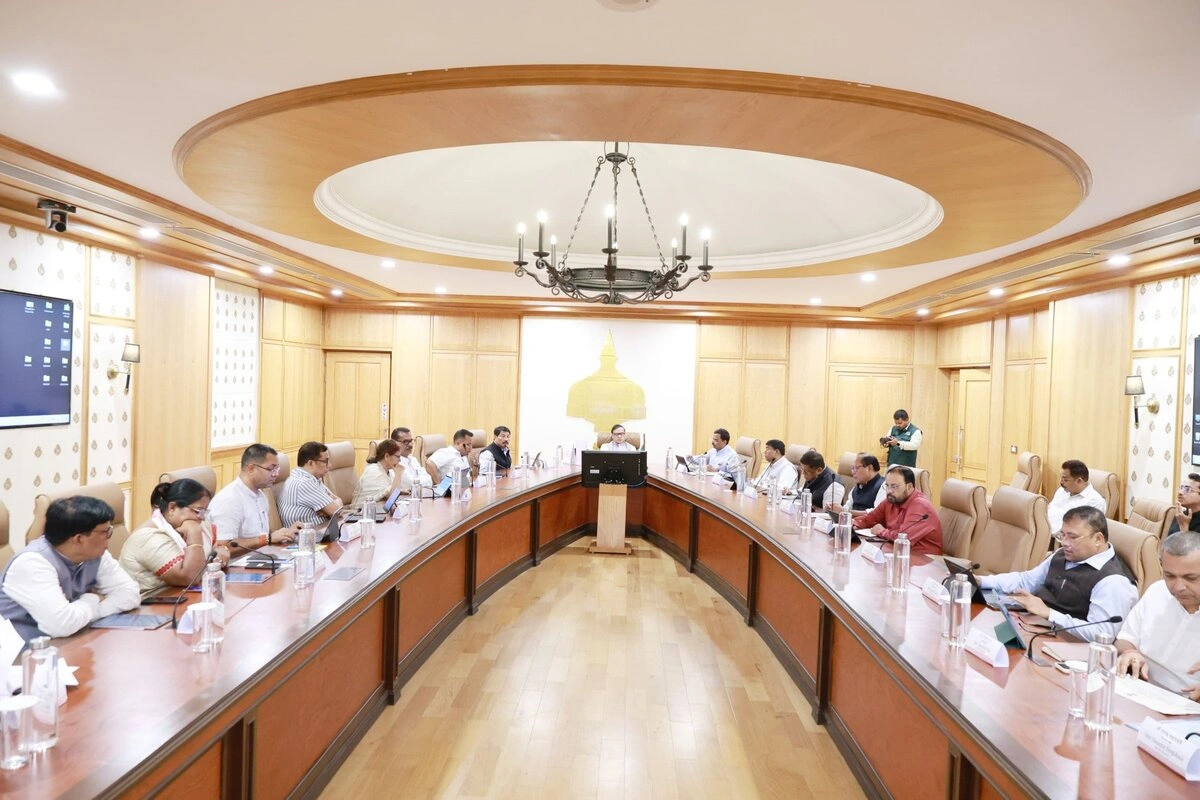
The twin decisions, taken at the Cabinet meeting chaired by Chief Minister Himanta Biswa Sarma at Lok Sewa Bhawan, underline two distinct administrative priorities before the state government: ensuring uninterrupted distribution of subsidised foodgrains to beneficiaries under the National Food Security Act (NFSA), and pushing ahead with restructuring efforts in a state-run tea company that has long struggled with financial and operational challenges.
In the first decision, the Cabinet approved the extension of the validity period of licences of all Fair Price Shops (FPSs) in Assam till December 31, 2026, instead of the earlier deadline of June 30, 2026. The government said the extension was necessary to ensure uninterrupted functioning of the public distribution system and the smooth distribution of foodgrains to NFSA beneficiaries across the state.
The move may appear procedural on the surface, but it has significant welfare implications. Assam’s network of Fair Price Shops forms the backbone of foodgrain delivery to lakhs of beneficiaries under the NFSA, especially in rural and economically vulnerable households that rely on subsidised rice and other essentials distributed through the public distribution system. Any disruption in the licensing regime of FPS dealers can quickly translate into delays, uncertainty and localised supply bottlenecks.
By extending the licences en masse for another six months, the government has effectively bought itself time while avoiding the risk of administrative disruption in a system that remains critical to household food security. The decision also suggests that either a renewal process, policy review or a larger restructuring of the FPS framework is still underway, and the state is not yet ready to shift to a fresh licensing cycle by the end of June.
The extension comes at a time when food security systems across India continue to operate under pressure from inflation, supply chain fluctuations and growing dependence on welfare support among lower-income households. In Assam, where floods, erosion, economic distress and uneven rural incomes continue to shape household vulnerability, continuity in the public distribution network is not a minor administrative issue but a politically and socially important one.
The second Cabinet decision concerned Assam Tea Corporation Ltd., a state-owned company with a troubled financial history. The Cabinet approved the release of ₹9.75 crore to ATCL to be used for a proposed voluntary retirement scheme (VRS) for its executives.
Though the Cabinet note does not spell out the full restructuring roadmap, the decision strongly indicates that the government is moving towards workforce rationalisation at ATCL, at least at the executive level, as part of an attempt to reduce liabilities or rework the functioning of the corporation.
ATCL has for years represented one of the more difficult legacies in Assam’s tea sector, a state-linked tea enterprise operating in an industry that has been under strain from rising costs, fluctuating prices, labour challenges and questions over long-term viability of weaker gardens. Any move involving VRS funding immediately raises larger questions about the financial health of the corporation, the future of its management structure, and whether the state is preparing the ground for a deeper restructuring exercise.
The sanctioned amount of ₹9.75 crore is not insignificant in the context of a VRS package targeted specifically at executives. It suggests that the government is willing to spend upfront in order to reduce recurring liabilities or facilitate administrative reorganisation. However, it also points to the persistent structural stress within public-sector tea operations, where payroll burdens and legacy management arrangements can become difficult to sustain without regular state support.
The political economy of tea in Assam makes such decisions especially sensitive. Tea is not merely an industry in the state; it is a major source of employment, a critical export-linked sector and a deeply symbolic part of Assam’s identity. Any financial or administrative intervention in a tea corporation therefore carries significance beyond the balance sheet. Even when a decision is confined to executive VRS, it invites questions about the corporation’s broader future: whether the aim is revival, downsizing, asset rationalisation or a transition to a leaner operating model.
Taken together, Tuesday’s two decisions reflect a familiar pattern in governance: the state stepping in at one end to protect the continuity of a welfare delivery system, and at the other to manage the burdens of a public-sector enterprise under stress.
In the case of Fair Price Shops, the government’s priority is continuity and stability. In the case of ATCL, the priority appears to be restructuring and cost management. But both decisions are reminders of the extent to which the state remains deeply embedded in sectors that directly affect daily life in Assam — from the ration shop in a village to the management of a tea corporation with a long and difficult institutional history.
The larger test, however, lies ahead. Extending FPS licences till December can prevent immediate disruption, but it does not answer larger questions about dealer accountability, digitalisation, grievance redressal, or whether Assam intends to overhaul its ration delivery architecture in the longer term. Likewise, approving VRS funds for ATCL executives may ease one part of the corporation’s burden, but it does not by itself resolve the deeper issues of productivity, financial sustainability, garden management and strategic direction.
For now, the Cabinet has opted for two forms of intervention — one to keep a welfare system running without interruption, and another to help a struggling state-run enterprise reduce its executive burden. Whether these are temporary fixes or the first steps towards deeper reform will become clearer only in the months ahead.


