



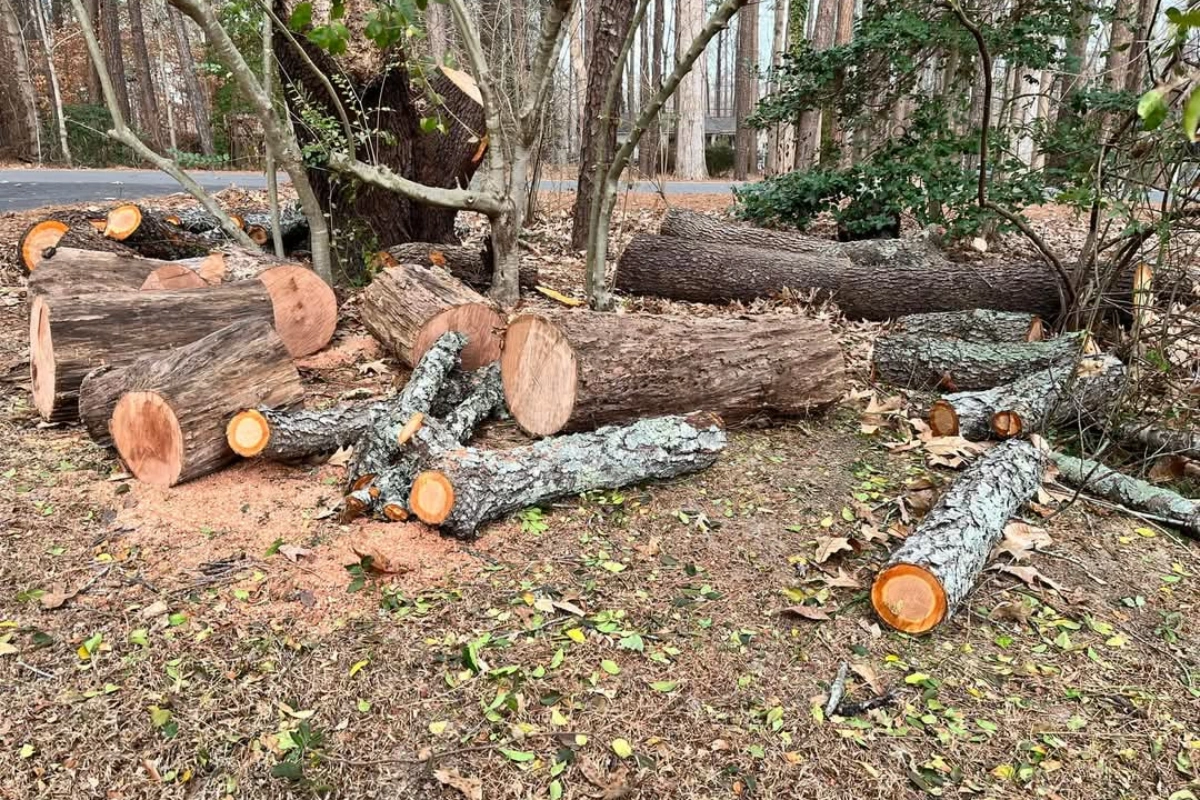
GUWAHATI: As countries around the world struggle to halt deforestation and meet climate targets, Kamrup Metropolitan is facing its own environmental challenge; the gradual loss of forest cover amid rapid urban expansion.
ALSO READ: Assam Achieves 1.2 Crore Saplings Milestone in 8 Hours; CM Sarma Praises Women's Efforts
According to Global Forest Watch, Assam recorded the highest tree-cover loss among all Indian states between 2001 and 2025, losing approximately 360,000 hectares of tree cover during the period. The findings highlight the growing pressure on forests across the state, including in and around Guwahati.
For Kamrup Metropolitan, the concern is not large-scale logging or agricultural expansion but the steady conversion of green spaces into roads, housing projects and urban infrastructure. As Guwahati continues to grow, forests that once acted as natural buffers are increasingly under pressure.
The loss of forest cover in the district reflects a broader global trend. Around the world, forests continue to disappear despite growing awareness of their role in combating climate change. Global Forest Watch estimates that India had about 44 million hectares of natural forest in 2020, covering roughly 15 per cent of the country's land area.
While Kamrup Metropolitan contributes only a small share to global forest loss, the local consequences are significant. Forests around Guwahati help regulate temperatures, absorb excess rainfall, prevent soil erosion and support biodiversity. Their decline can increase the risk of urban flooding, intensify heat stress and reduce the city's ecological resilience.
The contrast between global and local realities is striking. Worldwide, deforestation is often driven by large-scale agriculture, mining and industrial development. In Kamrup Metropolitan, however, the main pressure comes from urban growth. Every new road, flyover or commercial project may occupy only a small area, but together they gradually reduce the district's green cover.
For Kamrup Metropolitan, the issue is becoming increasingly visible. As the city expands and demand for land grows, environmentalists warn that preserving remaining forests and green spaces will be critical for maintaining liveability and climate resilience in the years ahead.
The message from the data is clear: forest loss is not only a global environmental crisis unfolding in distant rainforests. It is also a local challenge playing out on the edges of Assam's largest city, where the future of development may depend on how much of its natural landscape can still be preserved.


