



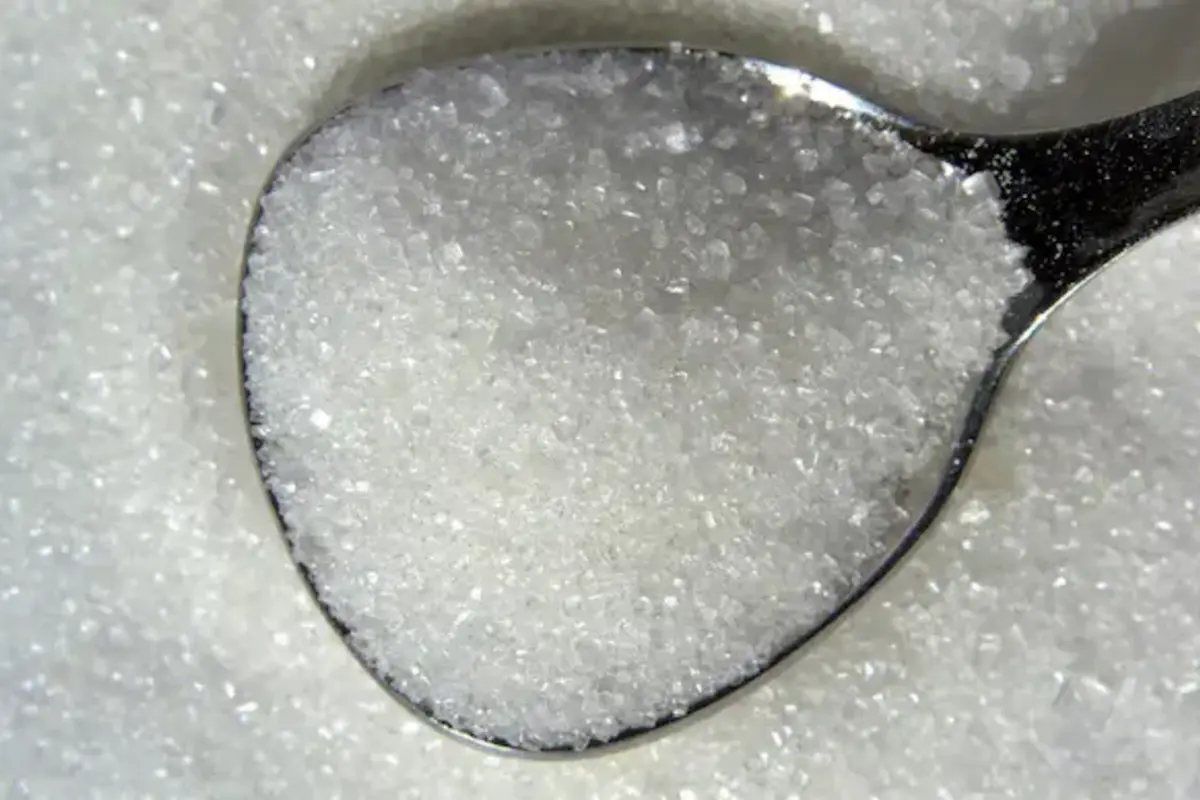
GUWAHATI: India has imposed an immediate ban on sugar exports until September 30, or until further notice, in a move aimed at preserving domestic supplies amid concerns over declining stock levels.
ALSO READ: VD Satheesan Named Kerala Chief Minister as Congress Ends Leadership Speculation
The decision was announced through a notification issued by the Directorate General of Foreign Trade (DGFT) under the Ministry of Commerce and Industry on Wednesday, May 13. The order prohibits the export of raw, white and refined sugar, changing the trade status of the commodity from “restricted” to “prohibited”.
The move marks a significant shift in the government’s policy, as India had previously permitted limited sugar exports on the expectation of surplus output during the current season.
However, the notification clarified that shipments already in progress before May 13, or consignments handed over to customs authorities before the ban came into effect, would still be allowed. The government also stated that sugar exports may continue on a case-by-case basis to countries seeking supplies for food security purposes through official requests.
In addition, exports to the European Union and the United States under existing tariff-rate quota agreements will remain unaffected by the restriction.
India’s sugar production for the 2025-26 season, which runs from October to September, is estimated at around 275 lakh tonnes. Combined with an opening stock of nearly 50 lakh tonnes, the total sugar availability is expected to stand at approximately 325 lakh tonnes.
Domestic consumption, however, is projected to reach close to 280 lakh tonnes, leaving closing stocks at an estimated 45 lakh tonnes — the lowest level recorded since the 2016-17 season, when stocks had fallen to about 39.4 lakh tonnes.
The government is also said to be closely monitoring prospects for the next sugar season. Concerns have emerged over the possibility of weaker monsoon rains linked to El Niño conditions, which could impact sugarcane production in 2026-27. Concerns over fertiliser supply disruptions due to ongoing tensions in the Middle East have further added to uncertainty.
India is the world’s second-largest sugar producer after Brazil and remains one of the leading exporters of the commodity. Any reduction in Indian exports is likely to tighten global sugar availability, particularly affecting importing nations across Asia and Africa.


