



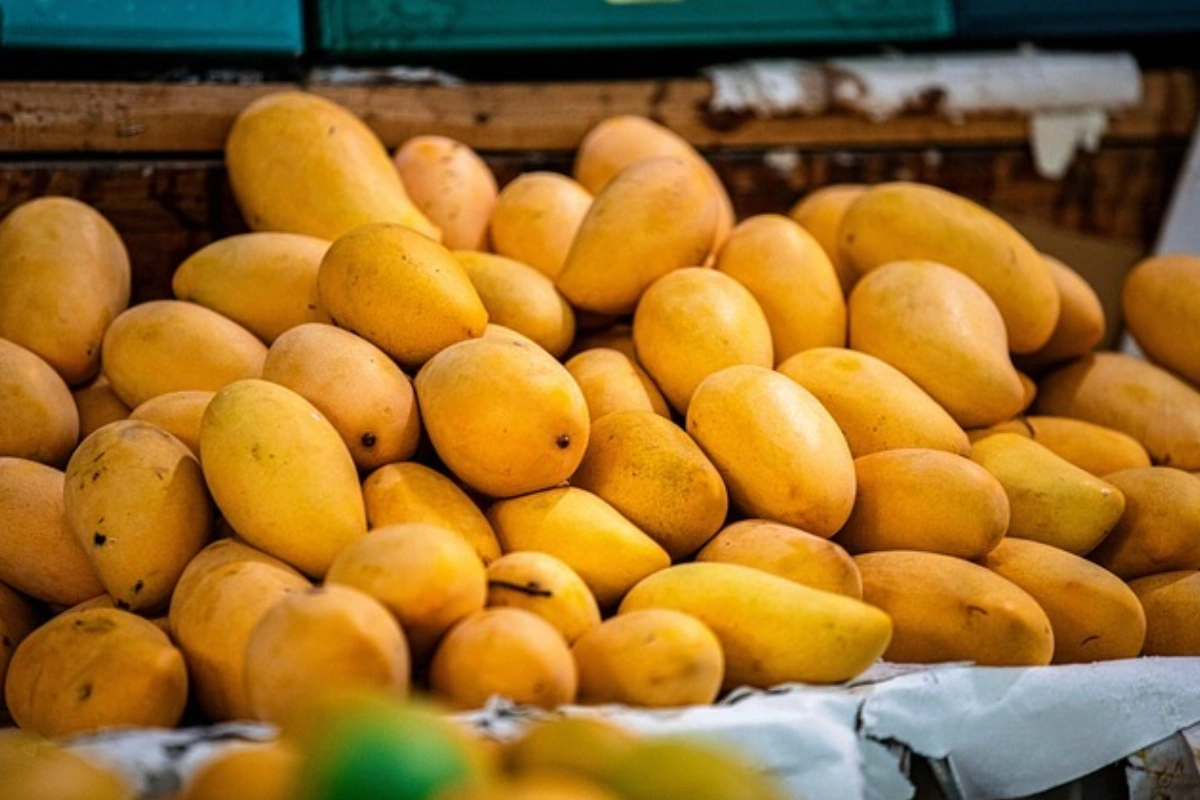
GUWAHATI: After Japan, neighbouring Nepal has also reportedly banned the import of mangoes and several other fruits from India after quarantine inspectors detected excessive levels of chemical pesticide residues in imported consignments.
ALSO READ: Assam Ranks Third in India’s Rubber Production; Gets World’s First Genetically Modified Rubber Plant
According to reports, Nepal's Ministry of Agriculture and Livestock Development imposed the restrictions during April-May following inspections at border quarantine checkpoints. The move is expected to affect exports during the peak summer mango season and impact popular Indian varieties such as Alphonso, Dasheri, Chausa, Kesar, Langra and Banganapalli.
The decision has raised concerns among fruit traders in Nepal, who fear shortages and higher prices in the domestic market. Although Nepal produces mangoes and exports more of the fruit than it imports, local production is insufficient to meet demand throughout the year, with the domestic mango season lasting only around two months.
Fruit sellers in Nepal have reportedly urged authorities to strengthen quarantine and testing mechanisms instead of imposing a blanket ban on Indian fruit imports.
The development comes weeks after Japan suspended imports of Indian mangoes following the detection of irregularities in production and treatment procedures. The suspension marked Japan's first restriction on Indian mango imports in nearly two decades.
Japan had previously banned Indian mangoes due to concerns over fruit flies and lifted the restrictions in 2006 after India improved its treatment protocols. While neither Japan nor Nepal ranks among India's largest export destinations for mangoes, the recent bans are being viewed as a setback for exporters.
India remains the world's largest mango producer, with annual production estimated at nearly 28 million metric tonnes. Although most of the fruit is consumed domestically, exports to premium international markets provide significantly higher returns for growers and traders.
The restrictions also come at a difficult time for mango farmers in Maharashtra's Konkan region, particularly Alphonso growers, who have reported crop losses of up to 90 per cent due to unseasonal rains and extreme heatwaves this season.


