



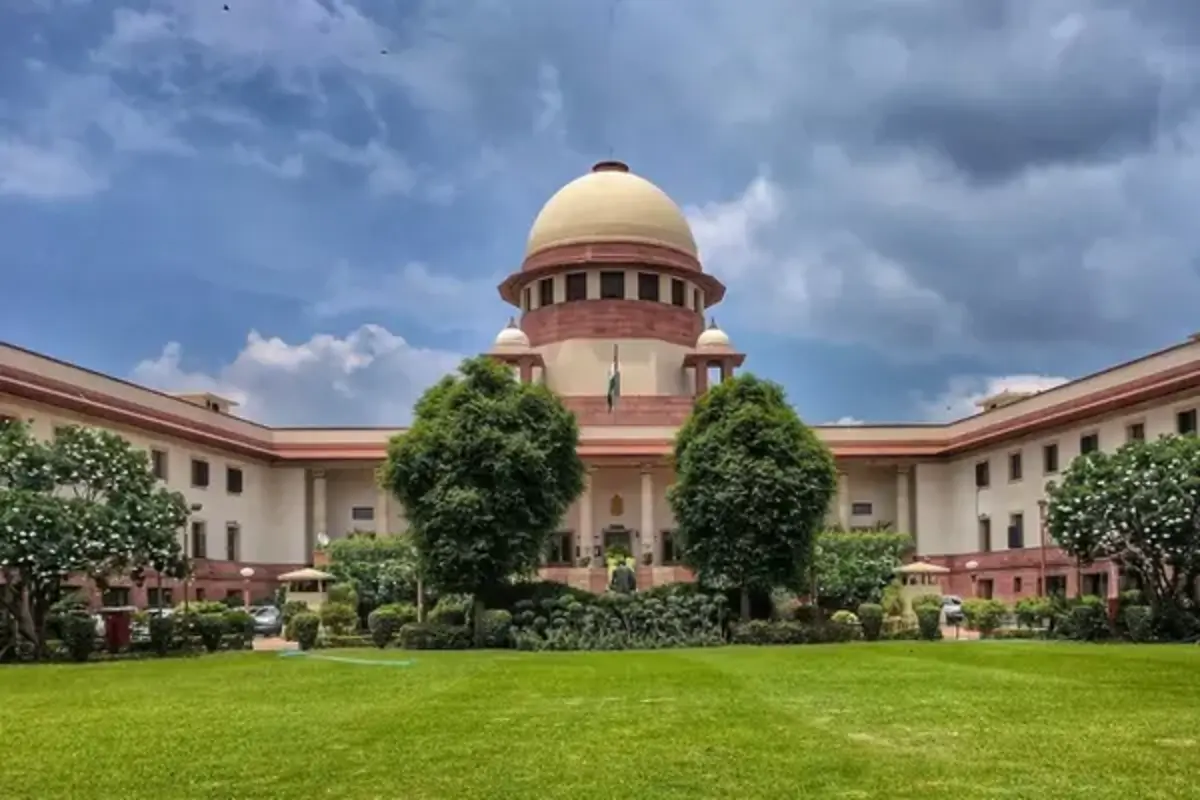
GUWAHATI: The Supreme Court of India on Monday, May 11, issued a series of directions to High Courts across the country aimed at ensuring the timely disposal of bail applications and safeguarding personal liberty.
ALSO READ: New Assam Cabinet to Be Announced After Discussion With BJP President Nitin Nabin
In its recommendations, the apex court advised High Courts to list bail matters on a weekly or fortnightly basis in order to reduce long pendency and avoid repeated adjournments. The court further suggested that fresh bail applications should ideally be listed within a week of filing.
The court also recommended automatic relisting of matters that could not be taken up during previous hearings to prevent delays in adjudication.
A bench comprising Chief Justice of India Surya Kant and Justice Joymalya Bagchi observed that delays in hearing bail matters continue to remain a serious concern in several High Courts, particularly the Allahabad High Court and the Patna High Court.
The observations came while the Supreme Court was hearing a matter in which it had earlier sought details from all High Courts regarding pending bail applications. While recording that most High Courts had furnished the required data and taken steps for timely disposal of bail cases, the bench flagged the alarming pendency in certain jurisdictions.
The apex court also advised High Courts to prescribe an external timeline for the disposal of bail cases to ensure speedy adjudication and reduce unnecessary incarceration.
The Supreme Court expressed hope that state governments, High Courts and investigating agencies would work together to establish a “robust mechanism” for the timely disposal of bail applications while also protecting the rights of victims.
The latest directions come months after the Supreme Court, in September last year, instructed High Courts to dispose of bail and anticipatory bail pleas within two months of filing. At the time, the court had stressed that bail matters should not remain pending indefinitely and urged Chief Justices of High Courts to ensure faster hearings.


