



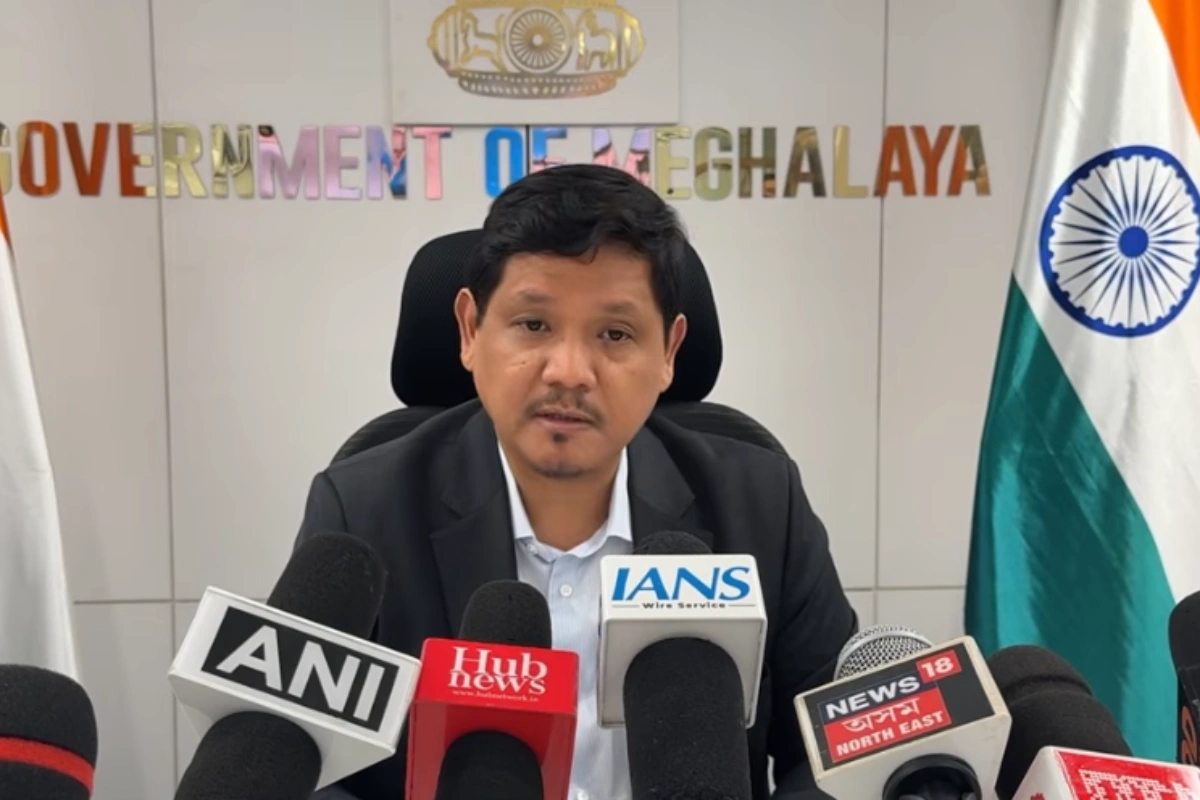
GUWAHATI: The Meghalaya government has set up a dedicated FCRA Cell under the Home Department to assist organisations in the state with compliance-related issues under the Foreign Contribution (Regulation) Act (FCRA).
ALSO READ: Guwahati To Get 65-Foot Sai Baba Statue Pandal as Durga Puja Theme
The move comes amid growing discussion over the proposed Foreign Contribution (Regulation) Amendment Bill, 2026, which seeks to introduce new provisions for handling foreign contributions and assets when an organisation’s FCRA registration ceases to be valid.
The proposed legislation provides for a Designated Authority to oversee and, in certain circumstances, manage or dispose of foreign contributions and assets of organisations whose registration is cancelled, surrendered, not renewed or whose renewal is denied. It also proposes reducing the maximum imprisonment for FCRA violations from five years to one year.
The Bill has drawn particular attention in Meghalaya, where churches, charitable organisations and community institutions run schools, colleges, hospitals and welfare programmes, including in remote parts of the state.
Chief Minister Conrad K. Sangma has previously led a delegation of church and community leaders to meet Union Home Minister Amit Shah to raise concerns over the existing FCRA framework and the proposed amendments. He has also supported the referral of the Bill to a Joint Parliamentary Committee for further examination.
The FCRA Cell is intended to help organisations with applications, renewals, documentation and other procedural matters. It will also facilitate communication with the Central authorities on issues requiring clarification or intervention.
The Cell will not replace or exercise the powers of the Central government under the FCRA. Instead, it is expected to function as a support mechanism, particularly for smaller organisations and institutions operating outside Shillong. Assistance is also envisaged in places such as Tura and Jowai.
Separately, amendments to the FCRA Rules notified in 2026 have introduced additional compliance requirements, including a definition of “reasonable activity” linked to the utilisation of at least ₹10 lakh in foreign contribution over the preceding two financial years, along with additional disclosure requirements for organisations receiving further instalments.
With the proposed amendment still under parliamentary consideration, the final provisions will depend on the legislative process. The debate in Meghalaya continues to centre on finding a balance between regulatory oversight and the ability of legitimate public-serving institutions to meet compliance requirements without unnecessary administrative difficulties.


