


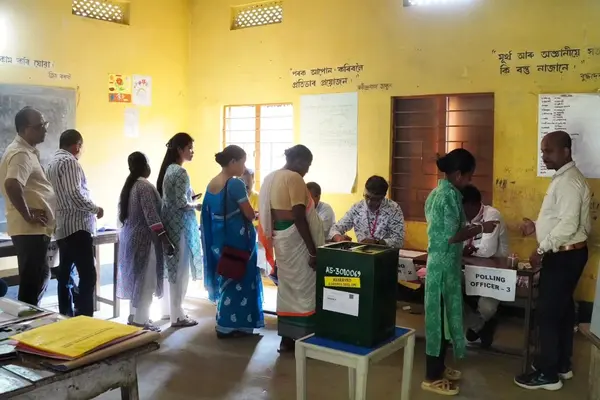
If one has observed how elections mirror a city's soul and talking about the 2026 Assam Assembly polls weren't just about ballots; they were a raw, rain-soaked plea from Guwahati's heart. With the ruling alliance sweeping constituencies like Guwahati Central and New Guwahati amid an 84% turnout, voters didn't pick parties, they chose survival. Braving downpours from Dispur to Paltan Bazar, they endorsed "concrete politics" not for its sheen, but for the promise of dry feet during monsoons and breathable air year-round. It's a people's blueprint for urban resilience, urging leaders to weave flood defenses, green lungs, and equitable growth into the fabric of our Brahmaputra-kissed metropolis.
ALSO READ: Editorial | Assam’s Massive NDA Mandate Comes With Accountability Challenge
Flash back to those polling queues: housewives from Noonmati clutching umbrellas, youth from GS Road scrolling manifestos on soggy phones, vendors from Fancy Bazaar whispering hopes for unclogged drains. These aren't faceless stats they're the human pulse of a city swollen to 1.5 million, grappling with the Brahmaputra's seasonal rage. Last July's deluge submerged streets, heatwaves baked hillsides in Hengrabari, and pollution veiled our iconic viewpoints. Against this, campaign trails buzzed with Rs 5 lakh crore infrastructure vows, flood-free pledges, and 2 lakh jobs to fuel our tier 1 ascent 30 flyovers now etching a bolder skyline.
What are they expecting now? First and foremost, flood-proofing that works. Guwahati's voters, from auto-rickshaw drivers in Narangi to office-goers in Ganeshguri, demand dredged smart embankments with real-time sensors, and no more "flood tourism" excuses. They want the Smart City vision riverfront promenades. Enforcing the 2041 Master Plan satellite townships across the river, bridges like the Kumar Bhaskar Varma Setu easing North Bank neglect, and admin hubs relocated to decongest the south. People aren't asking for miracles, they expect permeable pavements in Khanapara, rooftop farms in Beltola, and medium where citizens can flag their concerns regarding the potholes, before they become ponds.
Equity tops expectations too. Those defiant women in queues, they want vendor plazas for tribal artisans, led by mothers, and nightlife safety nets amid GS Road's club boom. North Bank families eye AIIMS townships and job corridors, not just south-side shine. Tata's Rs 27,000-crore Jagiroad plant thrilled, but people expect pipelines to local resumes training for 10,000 youth in semiconductors, green construction. Flyovers might eased jams, sure, but underserved pockets like Azara, dharapur where everyday we can see accidents happening because of the traffic management, they too demand equity: 24/7 CCTV, waste-to-energy plants, and "Solar Guwahati" powering public realms from dusk to dawn.
Voters expect accountability, citizen dashboards tracking drain desilting, public audits of Smart City funds. Basic woes linger: narrow roads choking ambulances, plastic-choked Bharalu, hills eroding sans green belts. The sweep signals trust in third-term delivery, but 2047 visions hinge on inclusivity. Imagine riverfronts for family picnics, not encroachment fiefdoms; waterways as eco-grids, not garbage veins.
Floods don't check voter IDs; they flood us all. This mandate pivots to "people-friendly" urbanism, echoing consultations where reps hashed flood mitigation. Scaling that neighbourhood forums, youth-led cleanups, media watchdogs or amplifying voices. Guwahati's human spark voter grit amid showers fuels for hope. We're not just a gateway; we're Northeast's resilient heartbeat.
Leaders, the people voted resilience. Deliver their expectations, not bricks alone, but bridges to a tomorrow where monsoons bring joy, not jeopardy.
(The author is an Assistant Professor and Head (I/c) of the Department of Journalism and Mass Communication at a Guwahati-based university. All views and opinions expressed in this article are her own)


