


GUWAHATI: The tragic death of 10-year-old Amaira, a Class 4 student at a private school in Jaipur, has once again brought the issue of school bullying into the national spotlight, with renewed public debate over how educational institutions respond when children seek help.
ALSO READ: Assam Police Issue Traffic Advisory; Old Saraighat Bridge to Close for Two Months from July 13
Amaira died on November 1, 2025, after falling from the fourth floor of her school building. The incident shocked the country, but months later, it has resurfaced in public discourse after CCTV footage from the day of the incident went viral on social media.
According to Amaira's parents, their daughter had been facing bullying by classmates for several months before her death. They allege that she was subjected to abusive and sexually explicit language and that they repeatedly approached the school authorities seeking intervention. The family claims their concerns were not adequately addressed.
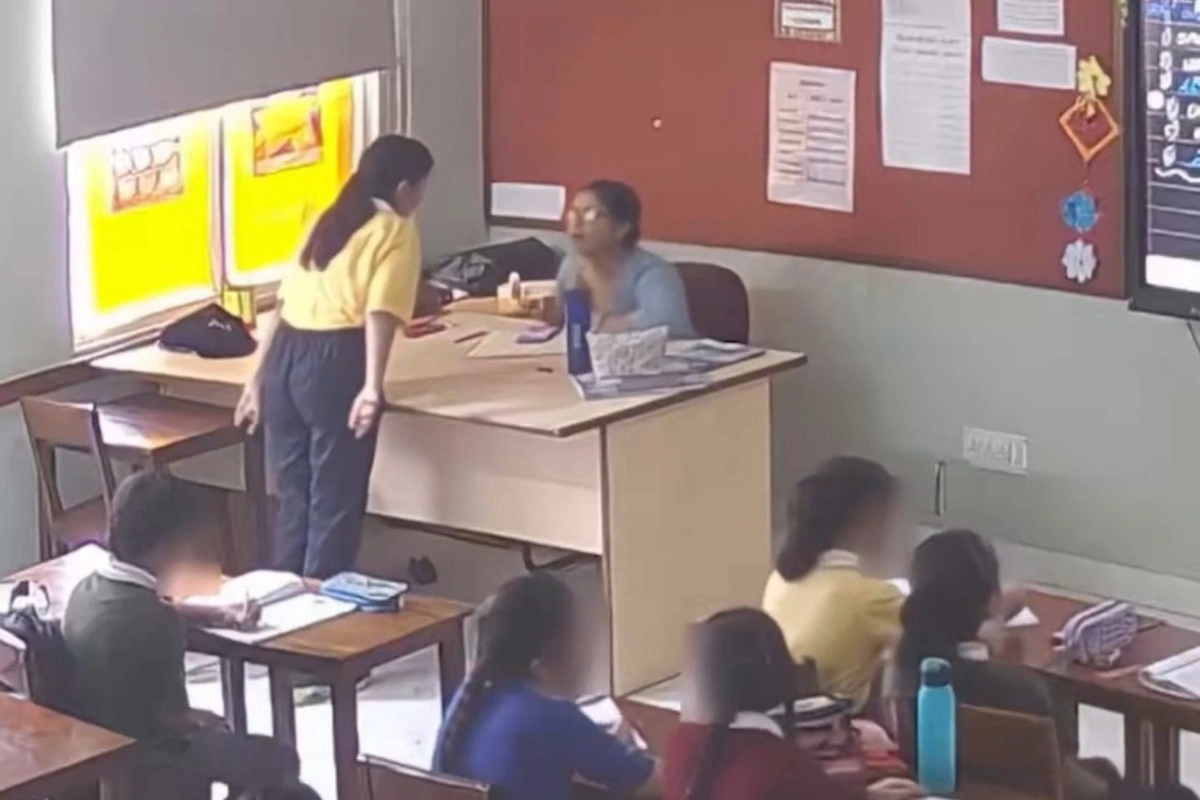
The recently circulated CCTV footage has further intensified the conversation. According to the family, the footage shows Amaira approaching a teacher multiple times on the day of the incident, which they believe were attempts to seek help before the tragedy unfolded. The video has reignited questions about whether warning signs of emotional distress were overlooked.
Amaira's parents have continued their campaign for justice. They have participated in public protests, including a gathering at Jantar Mantar in New Delhi, calling for accountability and stronger measures to protect children from bullying in schools. Their story has resonated widely, prompting thousands of people online to share messages demanding safer school environments and greater responsibility from educational institutions.
Beyond the specifics of the case, Amaira's death has sparked a broader national conversation about bullying in schools and the systems in place to address it. Child rights advocates and mental health experts have reiterated the importance of taking every complaint of bullying seriously and ensuring that schools have robust mechanisms to identify and respond to students in distress.
Experts note that bullying is not always physical. It can take the form of verbal abuse, social exclusion, humiliation or online harassment, all of which can have lasting emotional and psychological consequences if left unaddressed. They also stress that children often express distress through changes in behaviour rather than explicitly asking for help.
Warning signs may include reluctance to attend school, withdrawal from friends and family, sudden changes in behaviour, anxiety, unexplained physical complaints such as headaches or stomach aches, and a noticeable decline in confidence or academic performance. Recognising these signs early and responding promptly can play a crucial role in protecting a child's well-being.
The case has also renewed calls for schools to strengthen anti-bullying policies, provide regular training for teachers to identify emotional distress, establish accessible reporting mechanisms for students, and ensure the availability of counselling and mental health support.
As public attention on Amaira's story continues, it has become more than a single tragic incident. It has evolved into a wider discussion on school safety, child protection and the collective responsibility of parents, teachers and institutions to ensure that every child feels heard, supported and safe.


