


A new Assam Police campaign highlights the hidden risks of sharing children's photos and videos on social media
In today's digital age, where every smile, first step and playful moment is just a tap away from being shared online, babies and toddlers have increasingly become a regular feature on social media. Parents, grandparents and relatives often capture their cute expressions, funny antics and milestone moments, posting them as reels, photographs or videos for friends and loved ones to see. While these posts are usually made with affection and pride, an important question remains, how safe are they once they are on the internet?
ALSO READ: A Decade of Conflict: Human-Elephant Encounters Have Claimed Nearly 1,400 Lives in Assam
What begins as a harmless post meant to collect likes and comments from family and friends can quickly move beyond its intended audience. Images and videos of children can be downloaded, reshared, manipulated using artificial intelligence, or misused by strangers without the knowledge or consent of their parents. Cybersecurity experts and child protection agencies have repeatedly warned that children are increasingly becoming targets of online exploitation, identity theft, cyberbullying, online grooming and the circulation of child sexual abuse material (CSAM).
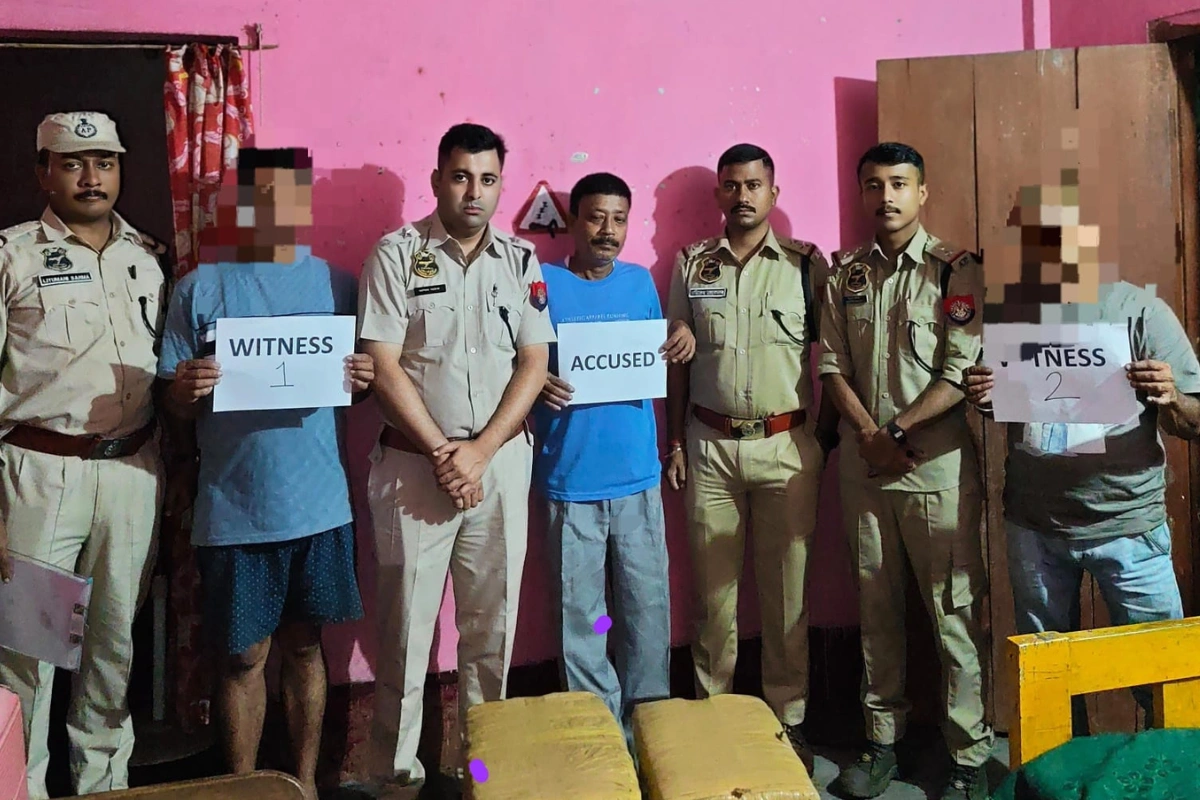
The concern is not merely theoretical. In 2026, seven people were arrested from different parts of Assam for allegedly creating and circulating child pornography content, highlighting that the threat exists much closer to home than many parents may realise. Such incidents have intensified calls for greater caution while sharing children's photographs and videos online.
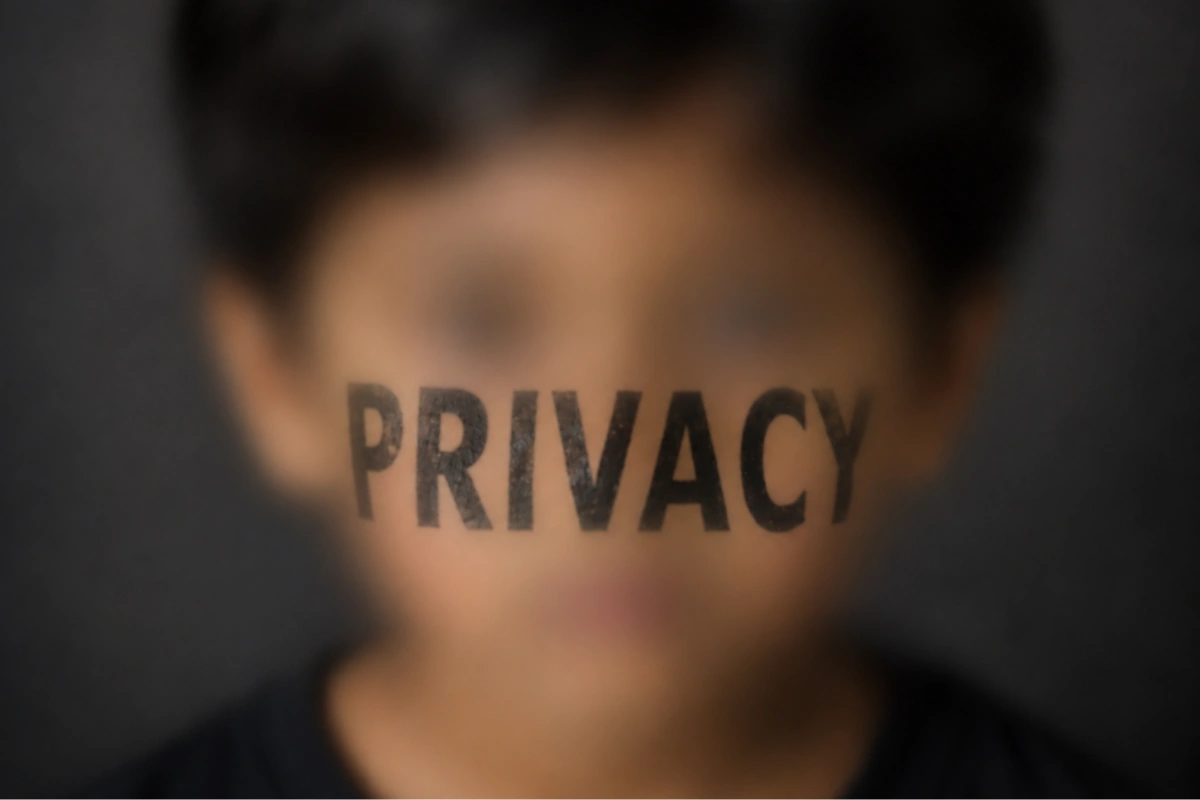
Against this backdrop, Assam Police has launched a fresh awareness campaign titled #ChildhoodNotContent, renewing its appeal to parents, schools and the wider public to safeguard children's privacy in the digital space and encourage responsible online behaviour.
Assam Police led the way by being the first to undertake an awareness initiative on the issue.
The campaign builds on Assam Police's 2026 advisory issued to schools, which called for responsible handling of children's images and personal information on social media. Schools were advised to avoid posting identifiable photographs or videos of students and instead use safer alternatives such as group photographs, back-facing images, blurred faces, activity shots or illustrations. The advisory also directed educational institutions not to disclose children's full names, class details, ID cards, locations, phone numbers or any other personally identifiable information online.
Further, schools were asked not to tag children, parents, locations or live event venues in social media posts and to avoid sharing real-time updates from school trips, camps or outdoor activities. It also recommended that all child-related content be reviewed by authorised school staff before publication and removed immediately if any parent, guardian or child raised concerns. Assam Police also urged schools to sensitise teachers and staff about CSAM, AI-generated image morphing, online grooming, sextortion, cyberbullying and the importance of protecting children's digital privacy.
However, despite the advisory, several schools, including primary schools, continue to upload videos and photographs of students with clearly visible faces. In many cases, school ID cards and other details displayed in the content can indirectly reveal the child's identity. Critics argue that while such posts are often intended to promote schools and enhance their online presence, they also expose children to unnecessary digital risks and compromise their privacy.
The campaign also follows the success of Assam Police's earlier #DontBeASharent initiative, which brought national attention to the issue of "sharenting", the practice of parents sharing children's photographs and personal information online without fully considering privacy, consent and long-term digital implications.
The initiative received wider recognition after being amplified by CyberDost, the cyber-awareness platform of the Indian Cyber Crime Coordination Centre (I4C) under the Ministry of Home Affairs. The advisory was subsequently shared across multiple Indian languages and found support among educators, regional media organisations and police agencies beyond Assam.
The campaign has also sparked conversations among parents.
Arunima Seal, a mother, who is an educator and has a one-and-a-half-year-old daughter, said she deliberately avoids posting her child's photographs online, she said, “It’s not because of superstition or fear of the "evil eye", but because of the growing threats in the digital world.”
She said every image shared online becomes data that can be copied, manipulated using artificial intelligence, collected without consent and, in the worst cases, misused by child exploitation networks or traded on the dark web. She further added, “what may seem like a harmless photograph or reel today can quickly move beyond a parent's control once uploaded.”
She also questioned whether parents can truly teach children about consent if they make decisions about their child's digital identity long before the child is old enough to understand or choose for themselves.
Stressing that children deserve the right to shape their own online identity in the future, she said protecting their privacy today is a responsibility that cannot be ignored.
Not all parents, however, share the same view.
Some believe that sharing photographs of their children online is harmless and serves as a digital album to preserve memories.
As the conversation around children's digital privacy continues to grow, the focus is shifting from whether parents and schools should capture precious memories to how those memories are shared. In an age where a single photograph or video can be copied, altered, reshared and remain online forever, every upload contributes to a child's digital footprint long before they are old enough to understand or consent to it.
"Through #ChildhoodNotContent campaign , Assam Police urges every adult to pause before posting and place the child’s rights before likes, shares or social media validation.”
While social media has made it easier than ever to celebrate childhood moments with friends and family, it has also created new questions about privacy, safety and responsibility. As technology continues to evolve and online threats become increasingly sophisticated, the debate remains far from settled. Ultimately, it leaves parents, educators and society with an important question to reflect on: Are we preserving childhood memories, or are we unknowingly turning childhood into content?


