


Assam’s elephant crisis deepens as electrocution and conflict claim hundreds of lives over a decade
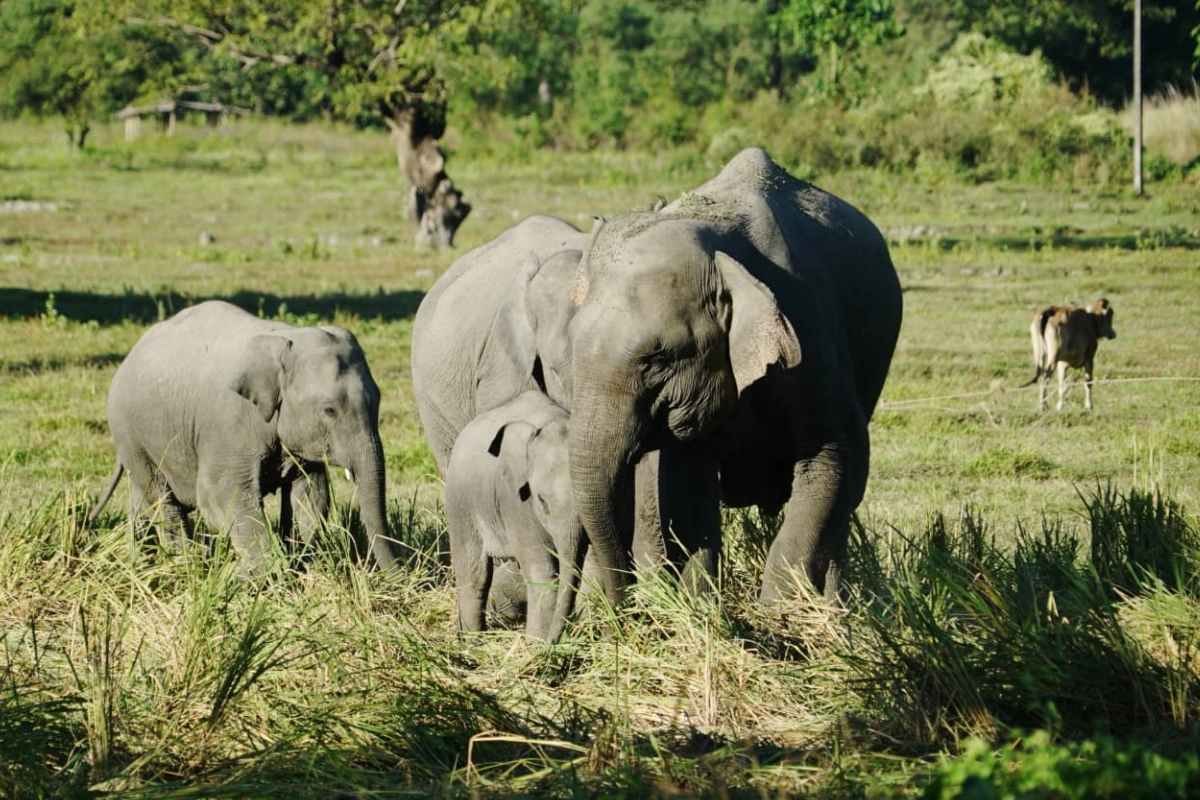
The death of a female elephant in Tinsukia district after an electrocution incident has once again brought Assam’s growing human-elephant conflict into focus, with the state government revealing that the crisis has claimed 1,147 human lives and 246 elephant deaths over the past decade.
ALSO READ: Garbage Dumping Adds to Guwahati's Monsoon Waterlogging Woes
The elephant was found dead on the morning of July 7 in a paddy field near Duwarmara Balijan village, close to the Duwarmara Reserve Forest under the Doomdooma Forest Division in Tinsukia district.
Villagers gathered at the site before forest officials arrived, including children who had gone to see the animal before school. Within hours, wildlife activist Devajit Moran went live on Facebook, alleging that the elephant died after coming in contact with electric wires laid around the field by its owner. He also claimed that a local child had witnessed the incident.
Five days later, on July 12, police arrested Lehuk Pator, who was accused of installing the electric fence around his residence near the Upper Dehing Reserve Forest, part of the Dihing Patkai Elephant Reserve, to prevent wild elephants from entering his property.
Pator has been booked under Sections 9 (Prohibition of Hunting), 39 (Wild Animals, etc., to be Government Property), 50 (Power of Entry, Search, Arrest, and Detention) and 51 (Penalties) of the Wildlife Protection Act, 1972. Forest officials said the post-mortem examination confirmed electrocution as the cause of death.
The incident reflects a larger crisis across Assam, where increasing encounters between humans and elephants have become a major conservation and livelihood challenge.
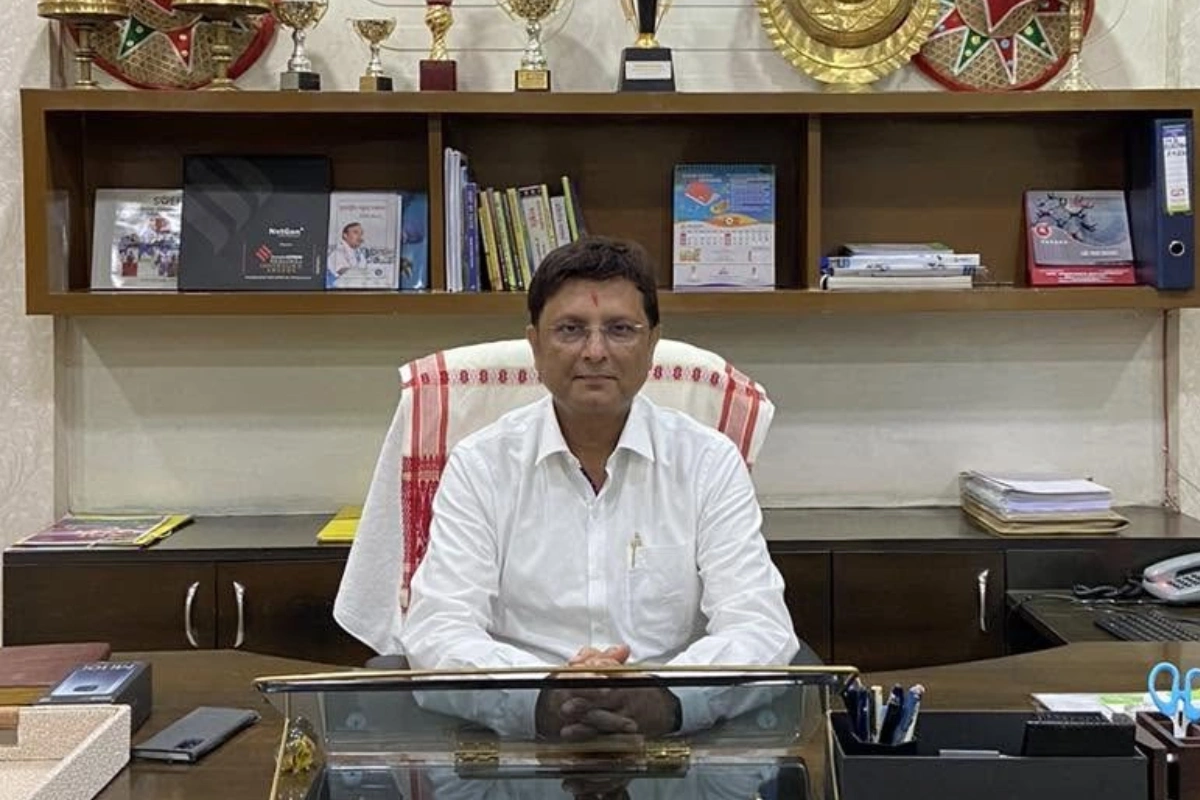
Replying to a question from Congress MLA Rekibuddin Ahmed in the Assam Assembly this week, Environment and Forest Minister Jayanta Malla Baruah said human-elephant conflict has killed 1,147 people and 246 elephants in Assam over the past decade.
According to the minister, 138 people died due to elephant conflict last year, the highest annual toll recorded in ten years. This year, 53 people have already lost their lives due to human-elephant conflict.
Goalpara recorded the highest number of human deaths since 2016 with 195 fatalities, followed by the Dhansiri Forest Division with 143 deaths. Baksa, Nagaon, Sonitpur West, Golaghat, Kamrup East, Kamrup West and Karbi Anglong East were also among the worst affected areas.
On elephant deaths, the minister said electrocution and train accidents remain the leading causes. The worst year for elephant fatalities was 2017, when 42 elephants died, followed by 36 deaths last year. This year, five elephants have died so far, including four due to electrocution and one due to poaching.
A separate detailed study by the Wildlife Institute of India, covering the period between 2000 and 2023, found an alarming pattern in elephant deaths. Of the 1,209 elephant deaths recorded during the period, 626 were linked to human activities.
Electrocution alone accounted for 209 elephant deaths, making it the single biggest cause of elephant fatalities in Assam. The study identified illegal electric fencing connected to distribution lines, poorly maintained power infrastructure and expanding railway tracks as major contributors.
The study also found that adult male elephants have been among the worst affected by human-induced threats.
The Tinsukia district incident came amid other suspected electrocution deaths. Around the same time, another elephant carcass was found in Margherita, where electrocution was suspected. A seven-year-old elephant was also found dead near Nampathar Reserved Forest in Boko, with officials suspecting electrocution.
Doomdooma Divisional Forest Officer Puspadhar Borgohain said a team of veterinary experts and forest personnel was sent to secure the site, collect evidence and investigate the death. He said the findings would be reviewed after the post-mortem and probe reports.
Experts and conservationists have repeatedly pointed to shrinking and fragmented habitats as a major reason behind increasing conflict. With forests becoming increasingly restricted, elephants often move into agricultural fields and settlements in search of food.
Kaushik Baruah, founder of the Assam Elephant Foundation, has said fragmented habitats and loss of traditional movement routes are among the major reasons behind the conflict, adding that addressing the issue requires political commitment and resources.
The conflict becomes more severe in many areas during the winter months when elephant herds leave forests and enter paddy fields near forest boundaries. Farmers who have already suffered crop losses often turn to electric fencing as a protective measure, despite such fencing being illegal.
The issue has also involved institutions located near elephant habitats.
In July 2024, two senior officials of Numaligarh Refinery in Golaghat district were arrested after a female elephant died of electrocution inside the refinery township bordering the Deopahar elephant corridor. The carcass was allegedly buried without informing the forest department.
Aaranyak scientist Bibhuti Prasad Lahkar described the incident as a violation reflecting disregard for ecological concerns. Activists have cited the case as an example of the need for stronger safeguards even around established institutions near elephant corridors.
Encroachment and development pressure around elephant habitats have also remained a concern. Around Kaziranga, the Supreme Court’s Central Empowered Committee has repeatedly intervened over issues related to elephant corridors and eco-sensitive zones, including mining leases that were suspended rather than cancelled and continued to operate.
Amid rising pressure, the state government has announced several measures to reduce human-elephant conflict.
Baruah told the Assembly that the government plans dedicated elephant corridors and zones in conflict-prone areas through measures including solar-powered fencing and bio-fencing to reduce elephant movement into human settlements.
The government has also announced that ex-gratia compensation for families losing a member to elephant attacks will be increased from Rs 4 lakh to Rs 6 lakh. The amount will be released directly by the concerned Deputy Commissioner to speed up the process.
Farmers whose crops are damaged will receive Rs 8,000 per bigha through the same route.
However, villagers affected by repeated conflicts say the success of such measures will depend on timely implementation and quick delivery of compensation.
The government has also announced expansion of the Gaja Mitra initiative to strengthen conflict mitigation efforts and promote coexistence in affected districts.
A detailed Standard Operating Procedure for tackling human-animal conflict is expected on July 22 after consultations with local MLAs, government departments, residents of affected areas and animal welfare experts.
Meanwhile, one area in Goalpara district, which recorded the highest number of human deaths, has shown how coordinated intervention can reduce conflict.
In Lakhipur near the Assam-Meghalaya border, human deaths due to elephant conflict declined from 19 in 2022 to two in 2025. The Forest Department and conservation group Aaranyak have attributed the decline to sustained efforts on the ground.
Lakhipur Forest Range Officer Moupran Gayon said solar-powered fences, solar street lights and rechargeable torchlights provided to volunteers helped reduce direct encounters between humans and elephants.
The Forest Department, working with Aaranyak, has installed around 47 kilometres of solar fencing across the range, covering 18 conflict-prone villages and around 1,440 households.
Around 70 volunteers from Aaranyak’s Elephant Conservation Networks and 40 Gaja Mitras are also involved in a WhatsApp-based early warning system, alerting nearby villages whenever wild elephants are spotted.
The local administration has also joined the effort. At a meeting on June 29, Lakhipur Revenue Circle Officer Sailen Dutta Das asked departments including APDCL, Agriculture, Health and police officials to contribute towards sustaining the progress, with a follow-up review scheduled for October.
The Lakhipur experience shows that reducing human-elephant conflict requires not only financial support but also continuous coordination between government departments, conservation groups and local communities.
As authorities continue investigating the Tinsukia elephant death, the incident has once again highlighted the difficult challenge Assam faces in balancing human safety, agricultural livelihoods and elephant conservation.


