


In 2024, the GMC identified 81 vending zones across the city but two years later, vendors say no proper allotments have been made
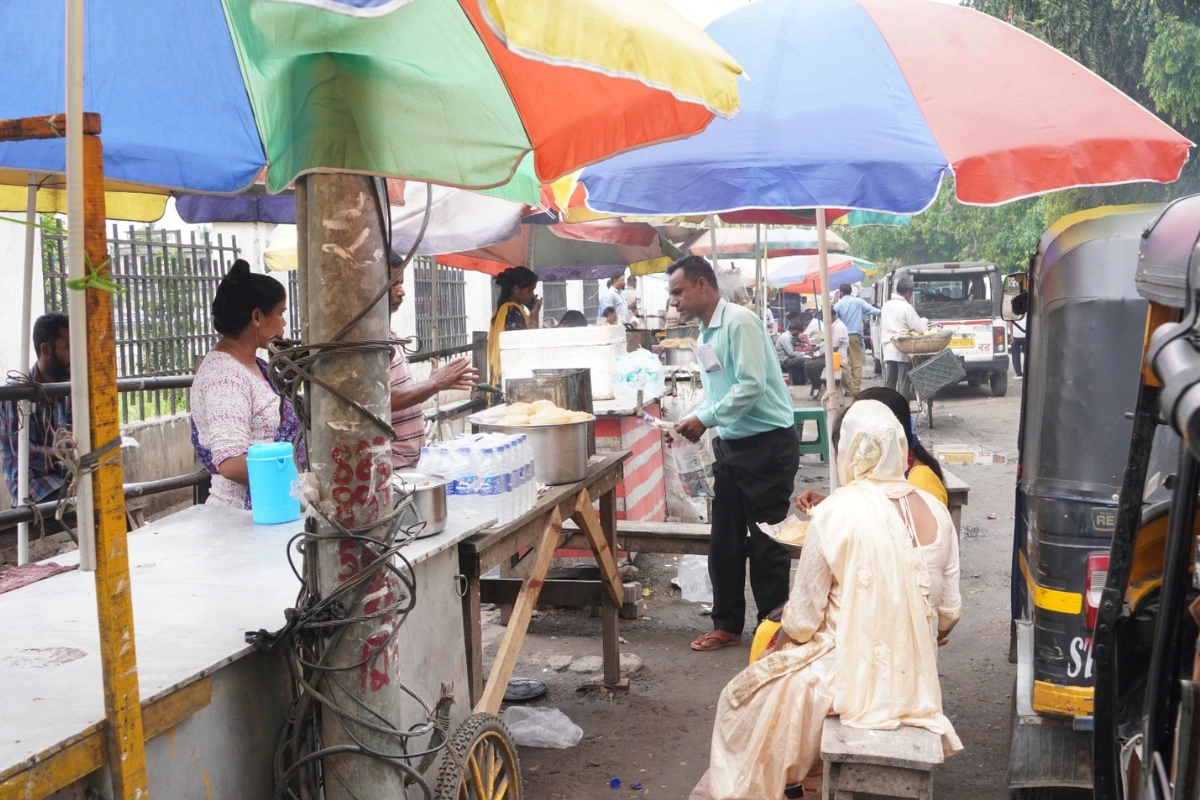
Nearly two years after the Guwahati Municipal Corporation (GMC) announced that 81 vending zones had been identified across the city, the promise of regulated street vending remains largely on paper. Across major commercial areas of Guwahati, vendors continue to occupy footpaths and roadsides without formal allotments, while an informal system of payments and local control has quietly taken root.
ALSO READ: Every Monsoon, Guwahati’s Open Drains Turn into Death Traps
From Panbazar and Fancy Bazaar to Lachit Nagar, Ganeshguri, and Beltola, vendors say they are still waiting for official vending spaces. In the absence of proper implementation, many allege that access to public spaces is being controlled by local “committees” or individuals who collect money from vendors in exchange for allowing them to sell.
The result is a system where legal vending zones remain delayed, but unofficial vending permissions operate daily.
The civic body says surveys are ongoing and that security concerns, manpower shortages, and the presence of unauthorised vendors have delayed the formal declaration of vending zones. But vendors on the ground say the delay has created a vacuum, one that is increasingly being filled by local middlemen with influence, political backing, and control over who gets to sell on the streets.
What was meant to be a regulated urban livelihood framework is now turning into an informal network of payments, warnings, and selective enforcement.
In 2024, the GMC identified 81 vending zones across the city as part of its effort to regulate street vending under the Street Vendors (Protection of Livelihood and Regulation of Street Vending) Act, 2014. The move was expected to bring order to the city’s growing vendor population, reduce roadside congestion, and protect the livelihoods of thousands of hawkers.
But even after the zones were finalised, vendors say no proper allotments have been made and many zones are still not operational.
As a result, the same roads, pavements, and market edges remain occupied by vendors who operate without official authorisation.
In places like Beltola, where vending pressure is high, vendors say they have no alternative but to continue on the roadside.
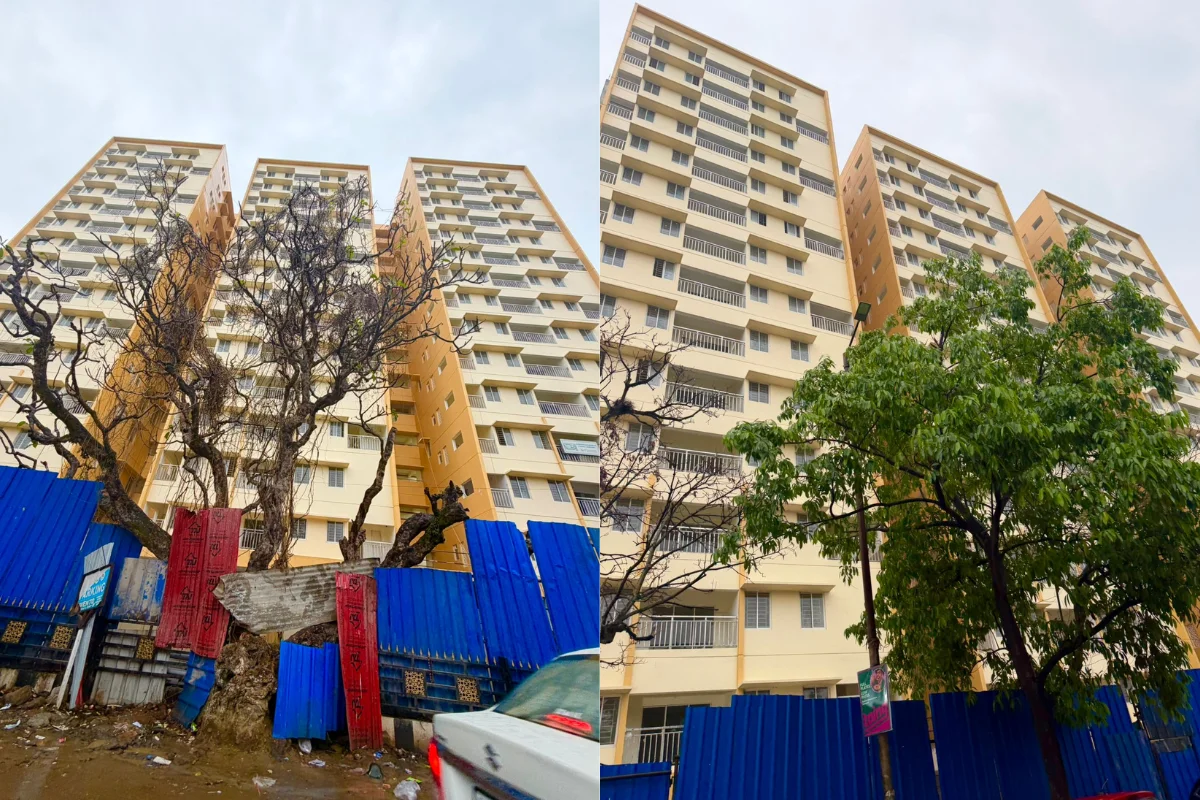
Ramen Das, a street vendor in Beltola, said that even though market infrastructure has already been built in the area, vendors are still forced to continue selling on the roadside because no official allotment has been provided to them.
According to him, the lack of formal allocation and the absence of declared vending zones have left vendors with no legal or organised space to carry out their business.
“The market building is there, but no allotment has been given to us officially on paper till now. We have not received any confirmation about who will get space there or when the vendors will be shifted. On top of that, the department has also not declared any proper vending zone for us. Because of this, we have no other option but to continue sitting on the roadside and sell from there,” he said.
He said that vendors are willing to move into proper designated spaces, but the delay in official allotment has left them with uncertainty and no alternative means of livelihood.
“If the authorities had officially allotted spaces to us, we would have shifted there because it would be better for us as well. But without any proper allotment or declared vending area, we cannot stop working. We depend on this business every day to feed our families, so even if we have to sit on the road, we continue because we do not have another option,” Das added.
In the absence of official vending allocation, many vendors say access to selling space is now determined by local groups or individuals who control specific areas. According to the vendors, these local players act as unofficial gatekeepers, deciding who gets access to roadside vending spots even though they have no formal authority under the municipal system.
A street vendor near Panbazar railway station said he has been running his stall there for more than two years, not because he has any legal permission from the authorities, but because he pays a local person who controls the vending space in that area.
“I have been selling here for more than three years now, but it is not because I have any official permission to do so. The truth is that we are not legally allowed to sit here, but everyone knows there is one person who manages this place and decides who can sell here. If anyone wants to put up a stall, they have to speak to him first,” the vendor said.
He explained that the person does not hold any official position, nor does he represent any recognised authority, but his control over the space is understood by all the vendors in the area.
If someone new wants to start selling here, they have to get his approval.
His account suggests that in the absence of formal vending regulation, informal local control has become the deciding factor for many street vendors trying to earn a livelihood in busy commercial areas.
Vendors told GPlus that daily payments for these unofficial permissions range between ₹100 and ₹300 depending on the area.
In high-footfall locations like Fancy Bazaar and Panbazar, the amount is often higher.
A juice vendor described the system as an unofficial rent arrangement.
“We call it rent, but it is not any official payment and there is no receipt or proof for it. It is simply money that we have to give if we want to continue selling here. If we refuse to pay, they can create all kinds of problems for us. They may damage or break our stall, force us to leave the spot, or inform the GMC so that eviction action is taken against us. We depend on this work for our daily income, so most of us pay because we are afraid of losing our place,” he added.
The vendor’s statement points to the fear and insecurity many street vendors face while operating without formal legal protection, where unofficial payments have become necessary for survival.
Even though eviction drives are regularly conducted by the civic body, vendors say they often receive advance warnings.
Multiple vendors in Rehabari, Maligaon, and Chandmari said they are informed before the eviction teams arrive.
“They tell us when the GMC will come. We move for a day or two and then come back,” said a pani puri vendor in Paltan Bazar.
This suggests that eviction drives may not be disrupting the informal system but instead reinforcing it.
If vendors can temporarily leave and return based on prior information, the process becomes less about enforcement and more about managing appearances.
A street vendor in Ganeshguri said that roadside vendors are frequently removed from the area whenever any VIP movement takes place in the city. According to him, vendors are asked to vacate the space immediately during such visits, even though they have not been provided with any officially allotted vending zone where they can carry out their business. “We have no option but to leave because if we do not, our goods may be seized,” he said.
He said the lack of officially designated vending spaces has left vendors in a constant state of uncertainty, forcing them to depend on temporary roadside selling for survival.
“We have never been allotted any vending zone or any permanent place to sell. Every day we come from our village in the morning, set up our stall on the roadside, and then leave again at night. This is how we survive. If we had a proper vending space, we would not have to face this fear every time there is an eviction,” he added.
Under the Street Vendors (Protection of Livelihood and Regulation of Street Vending) Act, 2014, every urban local body must form a Town Vending Committee to identify vendors, declare vending zones, issue identity cards, and handle disputes.
The law was designed to protect vendors from arbitrary eviction while regulating urban space in an organised manner.
But in Guwahati, vendors say that system is not visible on the ground.
Without functioning vending zones, identity allotments, or grievance mechanisms, many remain dependent on informal networks instead of legal protections.
The delay in operationalising vending zones has weakened the law’s intended safeguards.
However, talking to GPlus, a senior official from Guwahati Municipal Corporation said that while the process of identifying and surveying vending zones across the city is continuing, the civic body is facing major difficulties in making those zones operational on the ground. According to the official, the biggest challenge is the lack of manpower required to monitor vending areas every day and ensure that only authorised vendors are occupying those spaces.
The official further said that security concerns are another reason why the vending zones have not yet been formally declared. According to him, the authorities are trying to ensure that the benefits of vending zones go to genuine local vendors and not to unauthorised people.
“So before declaring the zones, we are trying to make sure that the system benefits the genuine local and indigenous vendors who depend on street vending for their livelihood,” he said.
He added that without adequate staff and proper verification, managing the vending zones would be difficult and could lead to misuse.
“If we declare the vending zones without proper checks and without enough staff to monitor them, then the entire system may become difficult to manage. There is always a risk of misuse if regular monitoring is not done. That is why the process is taking time, because we want to ensure that the vending spaces are properly regulated before they are made operational,” the official added.
The biggest consequence of the delay is the creation of an administrative vacuum.
The longer the vending zones remain stuck in the survey, the stronger these parallel systems become.
For vendors, this means daily uncertainty.
For the city, it means public space being regulated not by law but by informal influence.
The purpose of vending zones was to bring order, transparency, and legal protection.
But until those zones become operational, the reality on Guwahati’s streets will remain shaped by unofficial power.
And for thousands of vendors waiting for legal space, the biggest question remains unanswered, if vending zones were finalised in 2024, why are they still not ready?


