


GUWAHATI: When two distinct art forms collide, the result can be electric, and that’s exactly what is unfolding in the latest collaboration between Santanu Hazarika and sitarist Rishab Rikhiram Sharma. Their newest project isn’t just art you observe; it’s art that performs, breathes, and resonates.
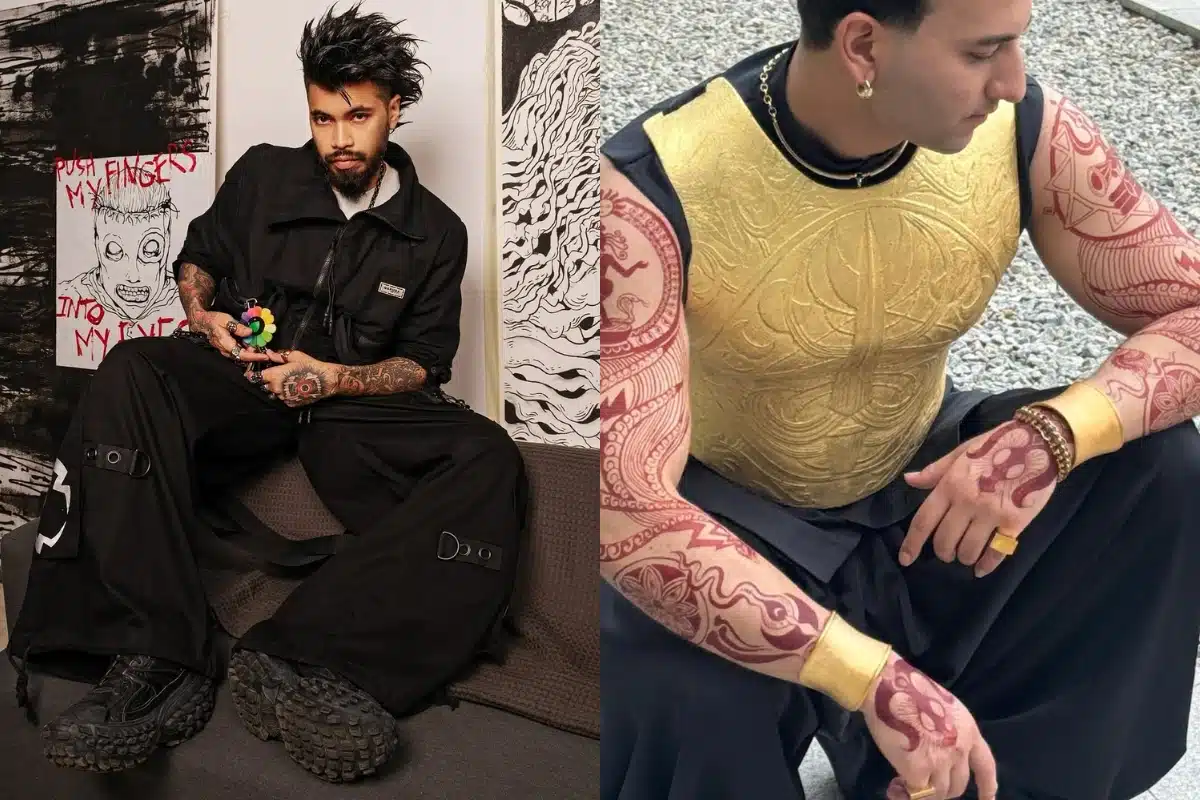
After their earlier mehendi collaboration went viral for its striking blend of tradition and contemporary aesthetics, Santanu has now returned with something far more ambitious: a full-arm mehendi sleeve that transforms Rishab’s hand into a living, breathing canvas. This isn’t merely a larger design; it’s a deeper, more immersive visual narrative etched in rhythm and symbolism.
At the heart of the artwork lies Nataraj, the cosmic dancer, symbolising the cycle of creation and destruction, much like music itself. From there, the design expands into a layered universe of motifs: the rakta kamal associated with Ravana’s devotion, the conch, wind-inspired elements referencing Pavan Putra, and fluid lines that mirror the vibrations of the sitar. Shiva’s presence flows throughout the piece, with the serpent, crescent moon, and trident grounding the artwork in raw, untamed energy. Crafted by mehendi artist Sona Mistry, the design unfolds almost like a raga, rising, intensifying, and resolving with emotional depth.
What makes the collaboration even more compelling is that this marks Santanu’s first exploration into mehendi as a medium. Known for his edgy murals and digital art, he steps into a centuries-old tradition and reshapes it through his own visual language, without stripping away its essence. The result is a seamless convergence of heritage and contemporary expression.
The collaboration itself feels instinctive and deeply personal. As Santanu shares, it began with a simple message and quickly evolved into an experimental creative exchange rooted in mutual admiration. Inspired by Rishab’s signature use of the trishul before performances, the artwork gradually expanded into a larger narrative around Shiva iconography, featuring the naag, damru, third eye, and Tripurantaka symbolism. Each element was chosen not only for its visual power but also for how naturally it aligns with Rishab’s performance style and stage presence.
Unveiled during the “Sitar for Mental Health India Tour,” the artwork adds yet another dimension to the live experience, transforming performance into a multi-sensory dialogue where sound meets symbolism. Widely shared online, the collaboration has also reignited conversations around how traditional art forms like mehendi can evolve within modern creative spaces.
This is more than just a design. It’s a statement. A performance in itself. A reminder that when music and visual art truly intersect, they don’t merely coexist — they amplify one another.


