


After years of monsoon misery, Guwahati’s drains and culverts are finally getting a massive clean-up before the rains hit
For decades, the arrival of the rainy season in Guwahati has been met with dread rather than relief. The city’s annual "artificial floods" have become a grim ritual, transforming bustling roads and by-lanes into stagnant rivers and bringing life to a grinding halt.
ALSO READ: Chemists Call Nationwide Shutdown on May 20 Over Illegal E-Pharmacies, Pricing War
However, this year, the narrative on the ground suggests a shift from reactive panic to proactive preparation. Following a devastating spell of unseasonal rain that claimed four lives recently and sparked widespread public outrage, the authorities appear to have finally been jolted into action.
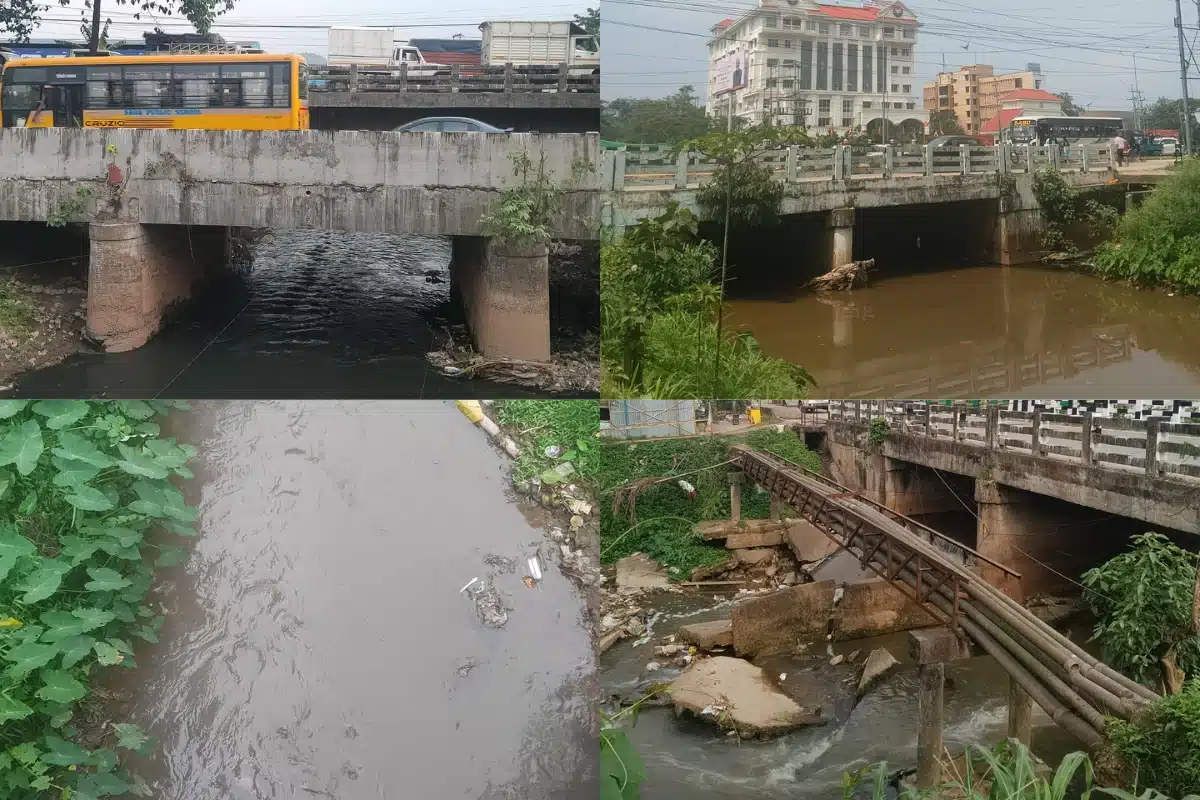
In order to understand the authorities’ claims of pre-monsoon preparedness, GPlus conducted a field visit of nearly 15 to 20 critical culverts across the city. The findings were surprisingly positive. In a departure from previous years, where culverts were found choked with solidified silt and plastic mountains, a majority of these vital drainage links were found to be clean and navigable. However, a few still are choked with plastic waste.
The exercise isn't just limited to the city's central areas. The National Highways Authority of India (NHAI) has launched an intensive de-siltation drive along the Jalukbari-Jorabat stretch of NH-27. This corridor, which serves as the lifeline for the entire Northeast India, has historically been a hotspot for severe waterlogging.
“Our initiative involves the removal of accumulated silt, mud, plastic waste, and other obstructions from roadside drainage systems to restore the proper flow and carrying capacity of drains,” an NHAI official said.
“People of Guwahati also need to be more aware and not throw plastic packets and bottles and other items on the drains.”
The visible presence of earthmovers and specialised machinery in areas like Garchuk and Lokhra signals a level of mechanical intervention rarely seen in previous pre-monsoon cycles.
In Lokhra, small-scale street vendors, the first to suffer when waters rise, confirmed that workers have been consistently present, removing the sludge that usually sits undisturbed.
To understand why the cleaning drive is so significant, one must understand the unique "topographical trap" that is Guwahati. The city is a bowl surrounded by hills. When it rains, these hills don't just send water downward; they send massive volumes of sediment and topsoil.
Culverts are the key arteries of urban infrastructure. They are the conduits that allow water to bypass roads and railway tracks. In Guwahati, these are the primary points of failure. When a culvert is blocked, the entire upstream drainage system fails, leading to the "backwater effect."
This is particularly lethal in areas like Zoo Road, Rajgarh, and Silpukhuri, where the lack of "self-cleansing velocity" in the drains means that even moderate rain causes an immediate spillover onto roads and people’s homes.
The crisis is compounded by the city’s struggle with solid waste management. For years, the Guwahati Municipal Corporation (GMC) has faced criticism for its inability to prevent plastic waste from entering the drainage system. This waste acts as a binding agent for the hill silt, creating a concrete-like blockage within the culverts that manual labor can rarely clear once the monsoon begins.
The most striking change this year isn't just the machinery, but the attitude of the workforce.
Speaking in the Garchuk area, shovel in hand, a PWD worker noted that the pressure to perform has increased. "We have cleaned all the main drains and culverts over the past few days," he said. There is a sense that the authorities can no longer afford the ‘wait and watch’ approach that led to the tragedies of previous seasons.
The proactive desilting of the Jalukbari-Jorabat stretch is expected to significantly reduce the flash flood risks that often strand thousands of commuters. By restoring the carrying capacity of these drains before the peak months of June to September, the city is essentially pre-empting the flood rather than managing it.
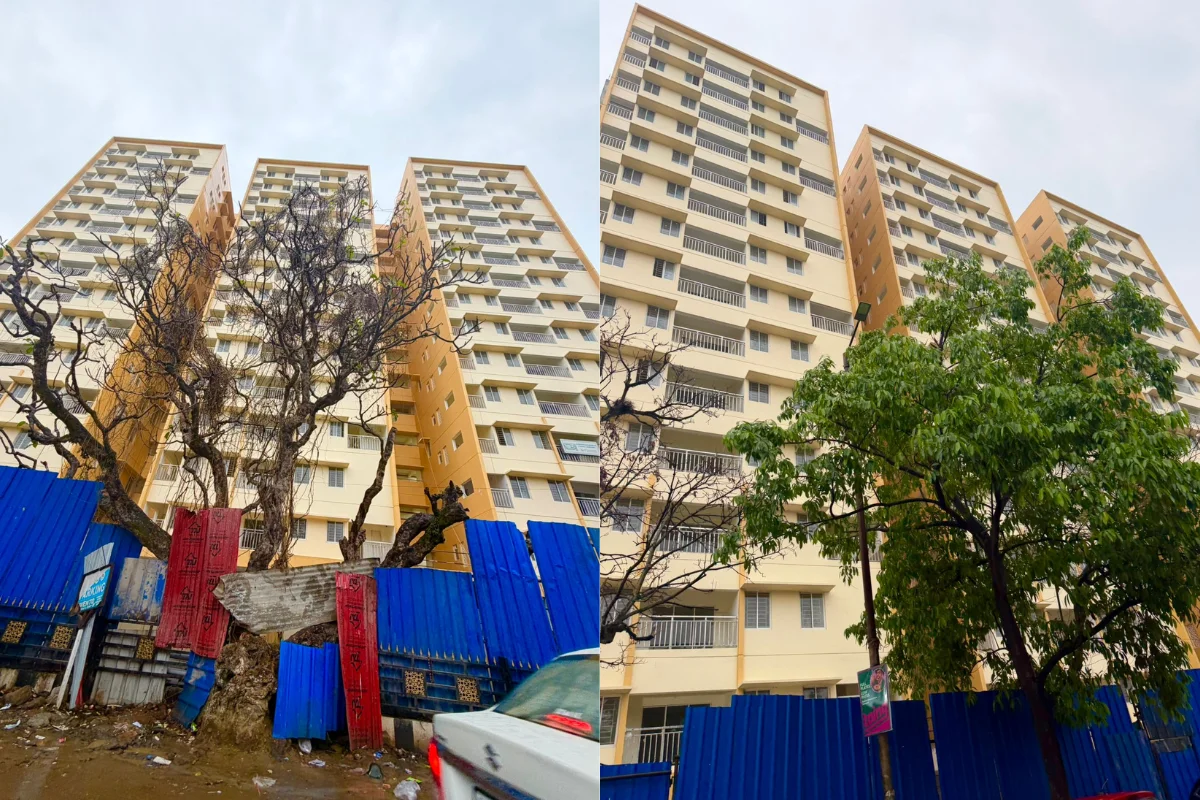
While the current progress is commendable, a balanced view requires acknowledging the systemic hurdles that remain. Guwahati’s rapid, often unplanned urbanisation has placed a breaking point pressure on its drainage.
As long as there is unchecked settlement and deforestation in the surrounding hills, the "sediment yield" will remain high. Even the cleanest drain can be filled with silt after a single heavy downpour if the hills are not stabilised.
The Bharalu River, the city’s main drainage channel, often sees its water level rise higher than the internal drains. When this happens, the water has nowhere to go, regardless of how clean the culverts are. For the residents of Nabin Nagar, Hatigaon, and Maligaon, the artificial floods are more than an inconvenience, they are an economic drain. Property damage, health risks from contaminated water, and lost man-hours in traffic congestion cost the city crores of rupees every year.
The current efforts by the PWD, NHAI, and GMC represent a vital shift toward preventative maintenance. The use of earthmovers to remove deep-seated sludge and the proactive cleaning of culverts in notorious flood zones like Garchuk and Lokhra provide a glimmer of hope.
However, the city's long-term survival depends on moving beyond these annual "drives." Guwahati requires a holistic engineering approach that integrates the Smart City Project goals with ground-level realities. This includes better solid waste management to keep plastics out of drains and technical solutions for the backwater effects of the Bharalu River.
As the first rains begin to fall, the authorities have at least ensured that the key culverts and drains are clear. For the first time in years, the city is not starting the season from behind. Whether this will be the year Guwahati stays dry remains to be seen, but the ground reality suggests that, finally, the city is at least putting up a fight. The question, however, remains whether the cleaning of Guwahati’s arterial culverts and drains a permanent solution, or merely a temporary bandage on a deep-seated urban wound?


